Recyclable Packaging: Options, Materials, and Suppliers

Last updated on:

March 10, 2026

Most brands assume packaging is recyclable if it has a resin code or chasing arrows symbol, but recyclability depends on whether materials are actually collected, sorted at MRFs, processed into raw materials, and sold to manufacturers in your specific markets. Packaging that completes all four steps is widely recyclable. Packaging that fails any step is technically recyclable but functionally trash. On this page, we explain recyclable packaging solutions organized by material type (plastics, paper, metals, glass), the critical difference between widely recycled and technically recyclable, and how to choose suppliers providing design-for-recycling expertise, regional infrastructure data, and defensible claims documentation supporting FTC Green Guides and state law compliance.

Featured Solutions and Suppliers

Interested in a solution? Click "Contact Supplier" and get connected to the supplier. No obligation.

Recyclable Cold Cups by Earth Brands
by
Earth Brands
This brand is a member of Packaged Sustainable and helped create the content of its page.
Recyclable Cold Cups by Earth Brands
Verified Account
This supplier is a member of Packaged Sustainable and helped create the content of this page.
Description:
PET cold cups.
Why it's sustainable:
100% recyclable, fully customizable PET cups.
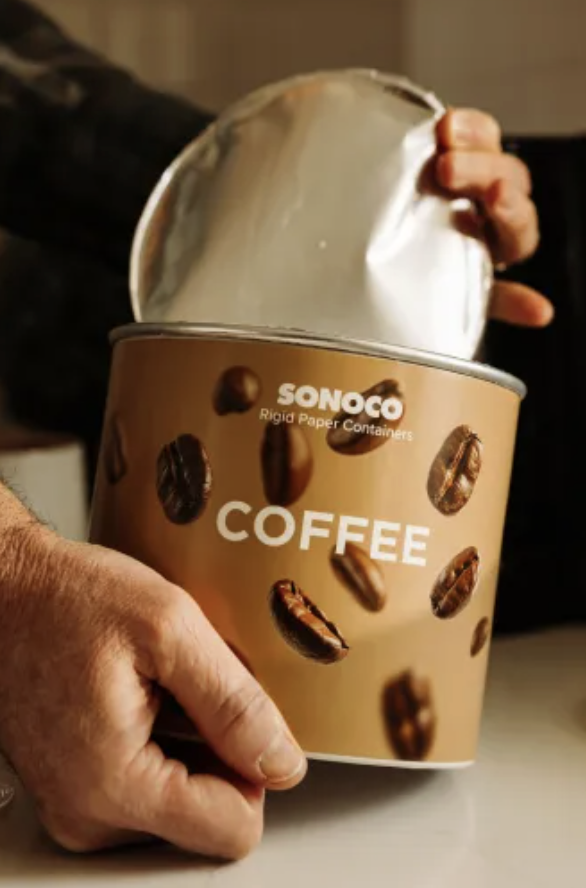
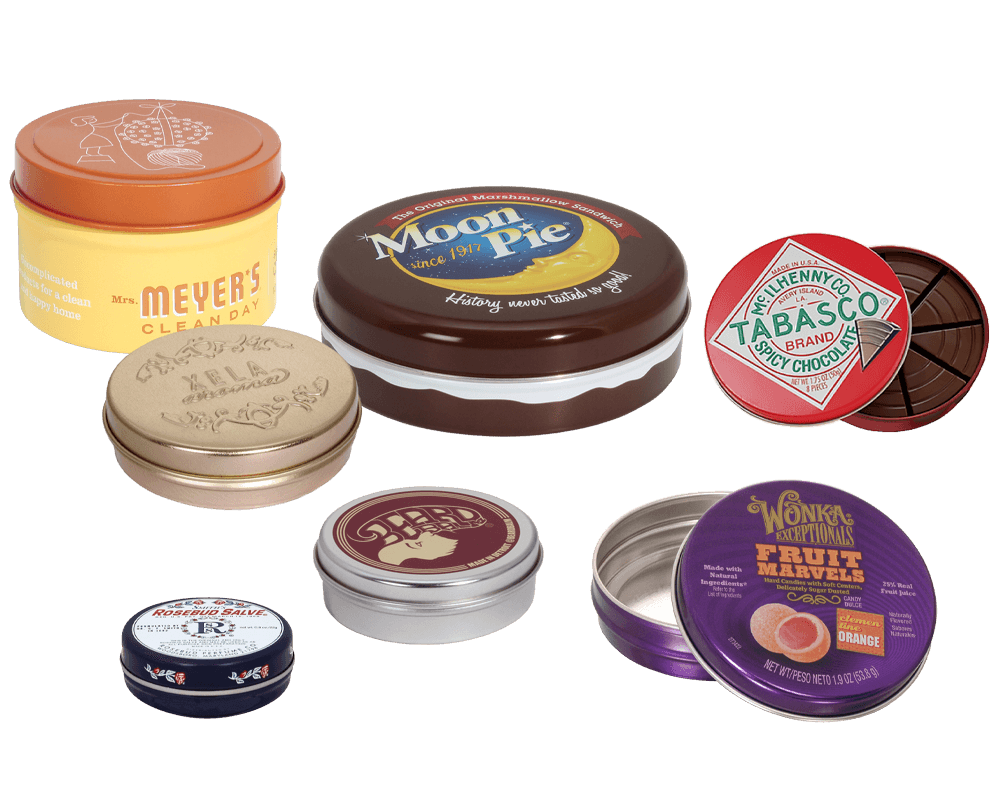
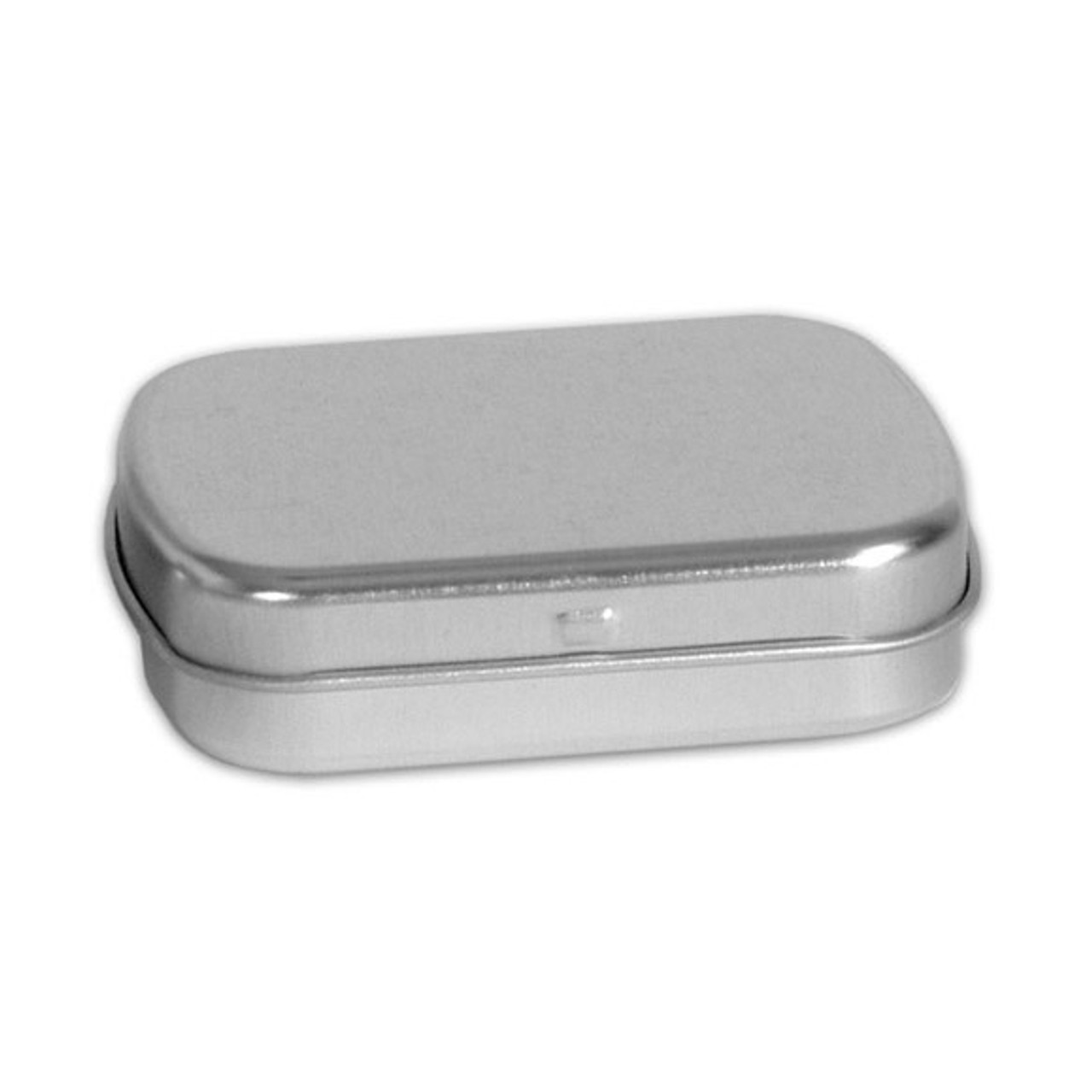
Recyclable Tin Containers by Roastar
Description:
Tin containers for coffee, tea and other products.
Why it's sustainable:
Curbside recyclable tin containers.
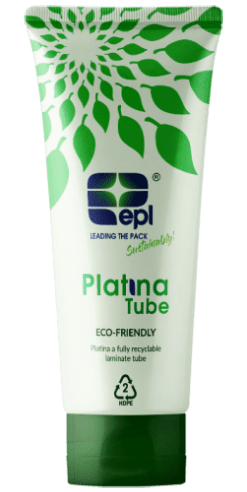
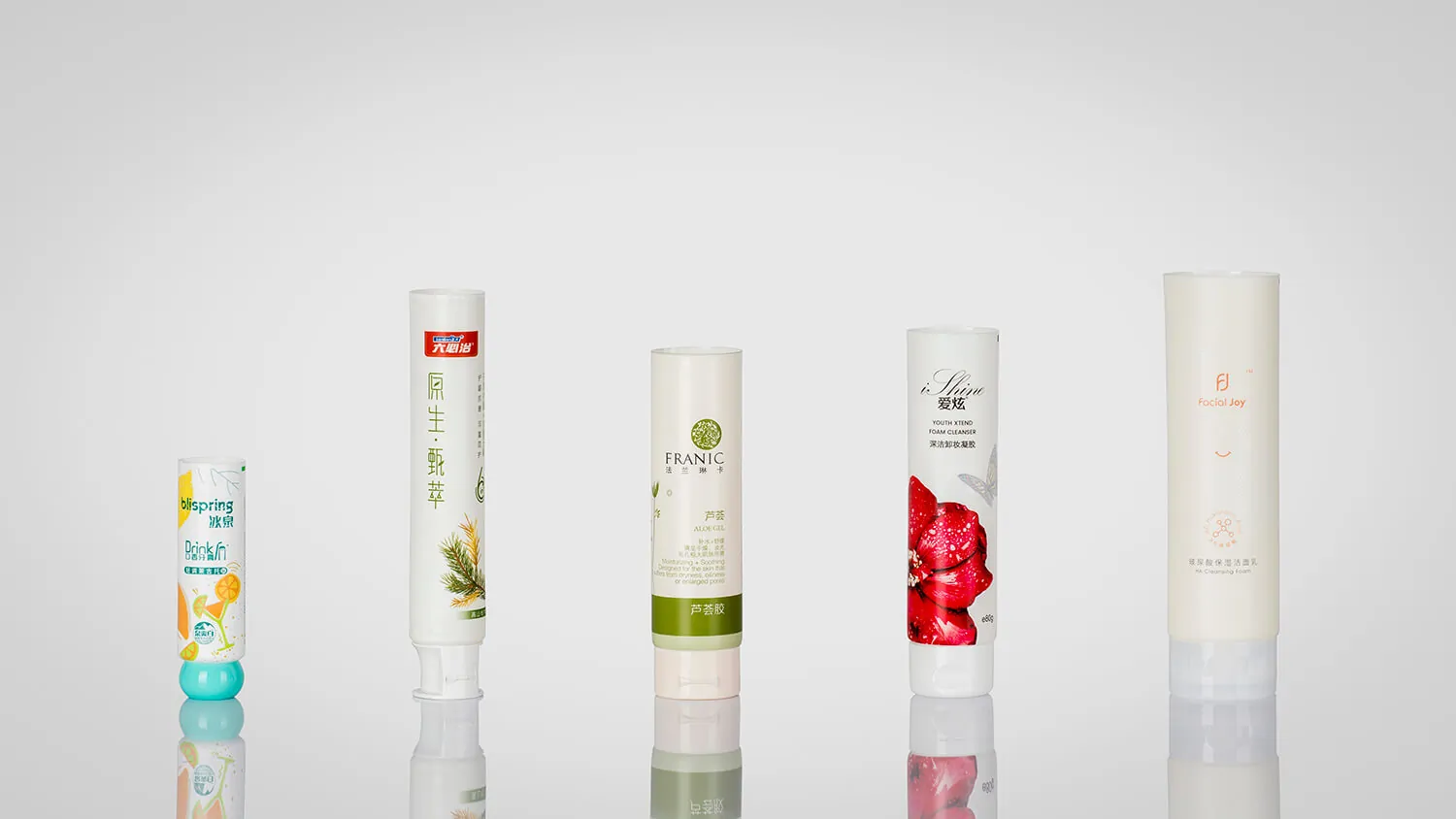
Recyclable Packaging Tubes by Visipak
Description:
Recyclable PET tubes.
Why it's sustainable:
RecyclaPak™ packaging tubes are 100% clear PET, the most recyclable grade of clear plastic on the market.
Recyclable Pouch by ePac Flexible Packaging
Description:
Recyclable PE pouches.
Why it's sustainable:
Recyclable flexible packaging is made from 100% polyethylene (PE), and is ideal for rollstock, stand up pouches, and lay flat pouches.
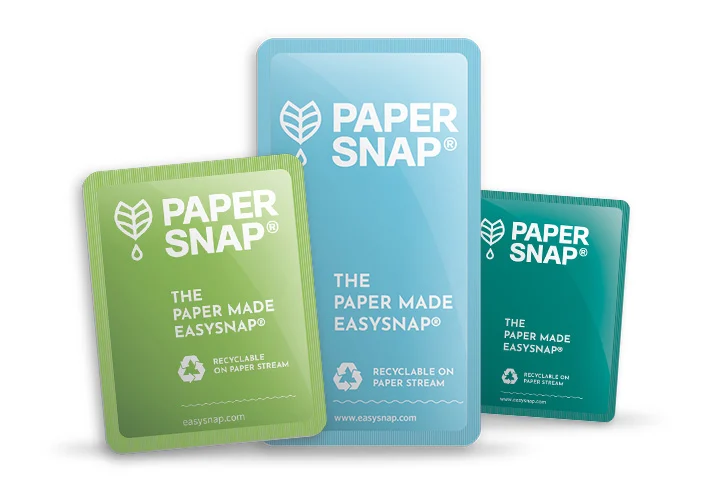
Recyclable Paper Snack Wrapping by Printpack
by
Printpack
This brand is a member of Packaged Sustainable and helped create the content of its page.
Recyclable Paper Snack Wrapping by Printpack
Verified Account
This supplier is a member of Packaged Sustainable and helped create the content of this page.
Description:
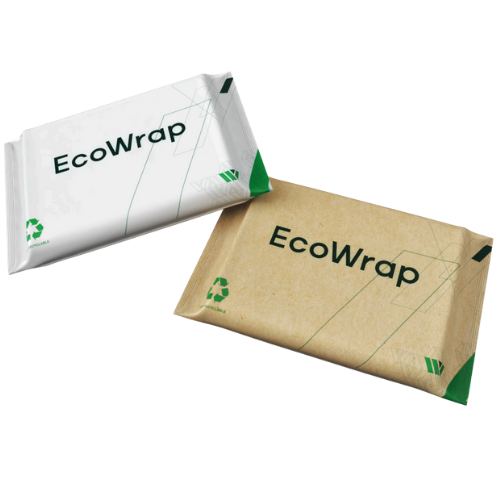
Paper wrapping for snacks and bars.
Why it's sustainable:
100% curbside recyclable paper.
500g Honey Squeeze PET by Berry Global
Description:
Squeeze bottle for honey and other products.
Why it's sustainable:
Made from recyclable PET.
Custom Metal Tins by Allstate Can Corporation
Description:
Recyclable metal tins.
Why it's sustainable:
Infinitely recyclable metal packaging.

Understanding Recyclable Packaging: What Actually Works

Recyclable packaging must complete four steps: collection by recycling programs, sortation at Materials Recovery Facilities (MRFs), processing into raw materials, and sale to manufacturers who reuse them. If any step fails, packaging is technically recyclable but functionally trash.

The "widely recycled" versus "technically recyclable" distinction represents the most critical insight most brands miss. Widely recycled means accepted by 60% or more of households (the threshold used by FTC Green Guides and state laws like California SB 343 and Washington HB 1047). Technically recyclable means possible under ideal conditions but not broadly available. A material can have a recycling symbol and still end up in landfills if collection infrastructure doesn't exist, MRFs can't sort it profitably, or no manufacturers want to buy the recycled output. We focus on widely recycled materials because that's what matters for defensible claims, actual environmental outcomes, and avoiding greenwashing accusations.

The four-step recycling system reveals where packaging actually fails. Most packaging dies at step one (collection) because municipal programs don't accept the format despite material recyclability. Flexible films are polyethylene (#4), technically recyclable, but most curbside programs reject them because thin films jam sorting equipment. Step two (sortation) kills packages through design choices. Dark-colored PET bottles are the same material as clear bottles but fail at MRFs because near-infrared optical sorters can't detect carbon black pigments. Step three (processing) fails when contamination is too high. Food residue on paperboard containers prevents fiber recovery during pulping. Step four (end markets) collapses when virgin material prices drop below recycled material costs. Collected and sorted material sits in bales waiting for buyers that never come.

Materials that are actually widely recycled vary dramatically by type, with critical nuances determining whether packaging delivers on recyclability promises or just carries misleading symbols.

Plastics show the widest gap between technical and actual recyclability. PET (#1) bottles and HDPE (#2) bottles represent the gold standard with 95%+ curbside program acceptance, established collection systems, strong end markets for recycled content, and actual U.S. recycling rates of 29% for PET and 30% for HDPE (jumping to 85%+ in deposit return states). These materials have proven infrastructure making "widely recyclable" claims defensible. However, here's the insight most brands miss: the same resin can be recyclable in one format and non-recyclable in another. PET bottles sort successfully while PET thermoform trays often fail due to shape, size, and food contamination at MRFs. Format matters as much as base material.

PP (#5) rigid containers exist in recycling limbo. These are improving but inconsistent by region where roughly 45-65% of municipalities accept yogurt cups and rigid food containers while others don't. This inconsistency means "check locally" qualifiers become necessary, weakening marketing claims and confusing consumers. Rigid PP is further ahead than flexible PP films, which remain mostly non-recyclable in curbside systems. Brands frequently launch with PP assuming recyclability, only to face retailer pushback when disposal instructions require qualifiers like "where facilities exist" (which applies to limited markets).

PVC (#3), PS (#6), and multi-layer #7 plastics are rarely accepted curbside despite carrying recycling symbols. These materials lack end markets, contaminate other recycling streams, and get rejected by MRFs. The chasing arrows symbol on these materials misleads consumers into wishcycling (putting non-recyclable items in bins hoping they'll be recycled), which actually harms recycling economics by increasing contamination and sorting costs.

Paper and paperboard succeed when designed correctly but fail through seemingly minor details. Corrugated boxes achieve ~90% U.S. recovery rate (highest of any packaging material) and uncoated paperboard reaches 70%+ recovery with mature infrastructure and strong fiber markets. However, coatings kill recyclability. Many "recyclable" paperboard containers with plastic or wax coatings get rejected at MRFs during pulping because coatings contaminate fiber recovery. The critical insight: paper must be clean and dry. Food contamination from pizza boxes, moisture from frozen food packaging, and wet-strength additives preventing breakdown all reduce or eliminate recyclability despite paper being theoretically recyclable. Design choices (coating type, food contact barriers, moisture exposure) determine whether paper packaging actually recycles versus just carries a recyclable label.

Metals deliver superior circular economy performance that plastics can't match. Aluminum and steel recycle infinitely without quality loss versus plastics that typically downcycle to lower-value applications after one or two recycling loops. Metals have high scrap value driving collection economics (aluminum cans worth $1,000+ per ton versus PET bottles worth $200-400 per ton), mature collection systems achieving 52% U.S. aluminum recycling rate (75%+ globally, 85%+ in deposit states), and 60-day can-to-shelf closed loops in strong markets. The insight most brands miss: 75% of all aluminum ever produced is still in use today through repeated recycling. No plastic approaches this circularity performance. Life-cycle assessments often show metal outperforming plastic on recyclability and carbon footprint despite higher weight creating transportation trade-offs.

Glass is infinitely recyclable but faces practical infrastructure limitations. Glass recycles without quality degradation enabling true closed-loop bottle-to-bottle systems, uses 50-90% post-consumer recycled content (cullet) commonly, and achieves 70-80% recovery in strong markets (varies significantly by region and color). However, glass weighs 500-700g versus 12-35g for PET bottles increasing transportation emissions, breaks during collection and sorting creating operational challenges and contamination, and has lower economic value than metals in many regions affecting collection economics. These practical factors mean glass recycling rates vary dramatically by region. Some areas with deposit systems achieve 80%+ recovery while others struggle reaching 30%. Glass works best for premium products, refillable systems, or local/regional distribution minimizing shipping distances.

Regional infrastructure differences create the biggest surprise for national brands. A package may be widely recyclable in California or urban areas with advanced MRF technology but not recyclable in rural markets with older equipment or limited programs. California has newer optical sorters identifying materials automatically while many Midwest and Southeast facilities rely on manual sorting and mechanical screens. Packages may sort successfully in 70% of coastal markets but fail in 70% of interior markets. Here's the critical decision point: design for your lowest common denominator market achieving consistent recyclability across all distribution, or be very specific about where claims apply geographically (which weakens national marketing but improves claim accuracy). Most brands choose the lowest common denominator approach to avoid regional claim complexity.

How to Choose Recyclable Packaging Suppliers

With all these sustainable options, which one should you actually choose? Every supplier, manufacturer, and converter will tell you why you should buy their product, so you need some intel before those conversations to make sure you're making the right decision based on your situation.

When evaluating suppliers, think about the 5 P's:

Price: Can you balance material costs, potential lightweighting savings, and premium positioning for recyclable claims?

Performance: Will mono-material structures provide adequate barrier, shelf life, and product protection compared to multi-layer options?

Preference: Does recyclable align with your sustainability goals, retailer requirements, and customer expectations better than compostable or reusable?

Proof: Can they document that packaging is widely recycled (60%+ household access) in your target markets, not just technically recyclable?

Partner: Will they help with design-for-recycling principles, accurate claims language, and standardized labeling like How2Recycle?

Here's how to evaluate each for recyclable packaging.

Choose Materials That Are Widely Recycled in Your Markets (Not Just Technically Possible)

The most common mistake brands make is choosing materials based on technical recyclability rather than actual system access. PET (#1) and HDPE (#2) bottles are the gold standard—widely collected, strong end markets, high recycling rates across most regions. If your product fits these formats, you're on solid ground for recyclability claims.

PP (#5) rigid containers represent the middle tier. Some municipalities accept yogurt cups and rigid food containers while others don't. This inconsistency means "check locally" qualifiers become necessary, which weakens marketing claims. Rigid PP is further ahead than flexible PP films, which remain mostly non-recyclable in curbside systems in most regions.
PVC (#3), PS (#6), and #7 "other" plastics are often not accepted in curbside programs. Brands frequently launch with these materials assuming recyclability, only to face retailer pushback and consumer confusion when disposal instructions require qualifiers like "where facilities exist" (which applies to very few markets).

For paper and paperboard, corrugated boxes and uncoated paperboard cartons have strong recycling infrastructure. However, coatings complicate everything. Many "recyclable" paperboard containers with plastic or wax coatings get rejected by facilities due to contamination concerns during pulping. Paper must be clean and dry, which makes food-contact applications particularly challenging.

Metals (aluminum and steel) can be recycled repeatedly without significant quality loss. They have high scrap value and mature collection systems. In life-cycle comparisons across materials, metal often outperforms plastics on recyclability and carbon footprint, though weight and breakage create different trade-offs.

Ask packaging manufacturers: "What percentage of households in my target markets have curbside access for this specific format?" "Can you provide MRF acceptance documentation, not just material specifications?" "What are the actual recycling rates (not just collection rates) for this material in my regions?" Most suppliers conflate technical recyclability with system access. Push for regional data, not generic claims.

Design for Sortation Success from the Start (MRF Technology Determines Outcomes)

Material choice matters, but design details determine whether packaging actually makes it through MRF sorting lines. Mono-material packaging is far easier to recycle than multi-material structures. A single-material PE pouch consistently sorts better than PET/PE/aluminum laminates, even though laminates offer superior barriers.

Here's what most brands miss: the same resin can be recyclable in one format and non-recyclable in another. PET bottles sort successfully while complex PET thermoforms often fail due to shape, size, and contamination issues at MRFs. Package format matters as much as base material for sortation outcomes.

Labels, inks, and adhesives kill recyclability more often than base materials. Full-body shrink sleeves interfere with NIR (near-infrared) optical sorters that identify materials. Some newer label systems are designed to float or sink during washing, separating cleanly from containers. Ask suppliers specifically about these systems rather than assuming standard labels work.

Color dramatically affects sortation. Clear or natural plastics have the highest value because optical sorters read them accurately. Dark colors (especially carbon black) are invisible to NIR sensors used at most modern MRFs. Entire bales get downgraded or rejected because brands choose black packaging without understanding the sortation implications. If recyclability is a priority, clear beats clever design every time.

Seemingly minor details (label adhesive strength, ink opacity, closure attachment method) significantly impact whether packages successfully sort. Most brands design packaging and then ask about recyclability. The right approach is designing with recyclability from the start, not retrofitting it afterward.

Ask companies: "Can you provide sortation testing results from actual MRF facilities for this package design?" "What label, ink, and adhesive systems work best with optical sorters?" "How does our color choice affect NIR detection and material value?" "Can you facilitate testing at a MRF before we finalize design?" Suppliers with MRF relationships and testing capabilities provide real value beyond just selling materials.

Verify System Access and End-Market Demand (Collection Doesn't Equal Recycling)

Most suppliers quote recyclability as if it's binary. It's not. Dramatic variations exist in what's actually accepted across regions. A package may be recyclable in California and Germany but not in most of the Midwest or Southeast U.S. This creates major challenges for national brands that want consistent messaging.

Local collection rules vary by municipality. PP rigid containers are accepted in roughly 45 to 65% of markets (depending on definitions), which technically qualifies as "check locally" but falls short of the 60% threshold many retailers require for unqualified "recyclable" claims.

MRF sorting technology varies more than most brands realize. Newer facilities have optical sorters that can identify materials automatically. Older facilities rely on manual sorting and mechanical screens. Packages may sort successfully in California (newer MRFs) but fail in rural areas (older equipment). Many brands find 30 to 40% of their volume goes to markets with older MRF technology.

End-market demand matters more than collection. Some brands switch to "recyclable" packaging only to learn that collected material sits in bales because no one wants to buy it. Recycled material markets are commodity markets with significant price volatility. When virgin plastic prices drop (tied to oil prices), demand for recycled content falls. Materials without stable buyers often get landfilled even after collection and sorting.

Store drop-off programs exist for clean, dry polyethylene films (grocery bags, some overwraps) not accepted curbside. However, participation rates are much lower than curbside. Fewer than 5% of consumers return films to store drop-off locations even when available. Positioning something as "recyclable through store drop-off" is functionally weak for both recovery and legal claims.

Ask converters: "What is the curbside acceptance rate for this format in our top 10 markets?" "Can you document end-market demand and pricing for recycled content from this material over the past 24 months?" "Which specific MRFs in our distribution footprint have confirmed they accept and successfully sort this package?" Most suppliers can't answer these questions with data. The ones who can are worth the partnership.

Balance Performance Trade-Offs Honestly (Recyclability Isn't Always the Answer)

The most recyclable package isn't always the most sustainable package. Life-cycle assessments often show that optimizing only for recyclability sometimes creates worse overall environmental outcomes.

Mono-material structures improve recyclability but may reduce barrier performance. Brands sometimes switch from multi-layer barrier films to mono-material for recyclability, only to see shelf life drop from 12 months to 6 months. The increased food waste (products going stale before consumption) can create more environmental impact than the packaging's end-of-life improvements deliver. These trade-offs must be evaluated honestly, not assumed.

Material reduction (lightweighting) often delivers bigger sustainability wins than recyclability improvements. In many cases, using 30% less material in a slightly-less-recyclable format has better total environmental performance than using more material in a perfectly-recyclable format. Life-cycle thinking matters more than single-attribute optimization.
Recycled content matters as much as recyclability. The most sustainable package uses less material, uses recycled content where feasible, and gets recycled at end-of-life. Brands often obsess over recyclability while using 100% virgin materials. The circular economy requires both input (recycled content) and output (recyclability) to function.

Reuse and refill models often outperform optimized single-use recyclable packaging. Before spending months perfecting recyclability, consider whether reusable formats work for some channels. Hybrid approaches (reusable for DTC and corporate accounts, recyclable single-use for retail) often deliver better outcomes than optimizing only one format.

Ask packaging partners: "Can you help us model environmental trade-offs between recyclability, barrier performance, and shelf life?" "What recycled content percentages are achievable in this material without compromising performance?" "Do you have life-cycle assessment data comparing options, not just end-of-life recyclability?" Suppliers who think systemically about sustainability provide more value than those selling only recyclable materials.

Make Defensible Claims with Proper Documentation (Greenwashing Risk Is Increasing)

The most common legal risk brands face is overstating recyclability based on technical possibility rather than system reality. Regulators are tightening scrutiny, and greenwashing accusations damage credibility even when unintentional.

Be specific with qualifiers. "Bottle is recyclable where facilities exist" is better than unqualified "recyclable," though even this may be insufficient if access is very low. "Widely recyclable" requires documentation of 60%+ household access based on FTC Green Guides and state laws. "Check locally" works for materials with inconsistent acceptance (like PP #5) but signals weaker recyclability.

Use standardized labeling systems like How2Recycle, which evaluates packaging based on current recycling access, sorting capabilities, and end markets using defined criteria. How2Recycle provides legal defensibility and reduces consumer confusion. The labels (Widely Recycled, Check Locally, Store Drop-Off, Not Yet Recycled) are evidence-based, not marketing-driven.

Legal review requirements are often underestimated. The FTC Green Guides emphasize actual collection, sortation, and reprocessing at scale, not theoretical possibility. California SB 343 and similar state laws require significant consumer access before using "recyclable" claims. Some brands pull packaging from California specifically because they can't substantiate claims under state law.

Multi-component packaging requires component-specific instructions. A bottle may be widely recyclable while the pump requires different handling. How2Recycle addresses this with per-component instructions, which is more accurate but requires more consumer education. Most consumers miss component-specific instructions unless they're extremely clear and visually distinct.

Ask suppliers: "What documentation can you provide to support 'widely recyclable' claims (60%+ access) in our markets?" "Can you help us apply for How2Recycle labeling?" "What language do you recommend for qualifiers based on actual system access data?" "Will you review our marketing claims for regulatory compliance before launch?" Suppliers experienced with claims substantiation reduce your legal exposure significantly.

Frequently Asked Questions about Recyclable Packaging: Options, Materials, and Suppliers

Are toothpaste tubes recyclable?

Additional Buyer Resources

The following guides address common evaluation and performance questions buyers encounter when sourcing Recyclable Packaging: Options, Materials, and Suppliers.

Need help finding the right supplier?

We'll connect you with packaging suppliers based on your product type, volume, and timeline. Free, no obligation. We were here to help!

Get Connected to a supplier

Disclaimer: Information provided for educational purposes only. Packaged Sustainable is a marketplace connecting brands with suppliers - we do not manufacture products or guarantee supplier claims. Always conduct your own due diligence and verify certifications, capabilities, and regulatory compliance independently. PS is not responsible for supplier performance or outcomes.