

Featured Solutions and Suppliers
Interested in a solution? Click "View Supplier" to learn more about the supplier.
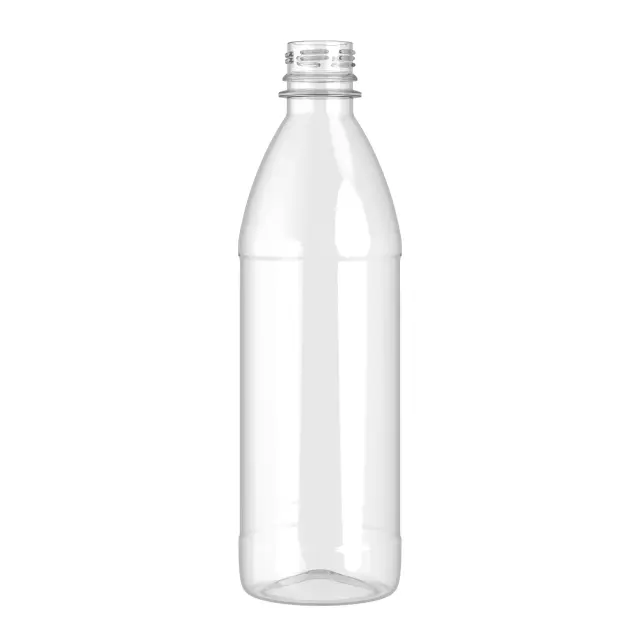
What are Recyclable PET Bottles?
Before we dive into how to choose the right recyclable PET bottle supplier or manufacturer, let's get clear on what affects PET recycling value.
Recyclable PET bottles use polyethylene terephthalate (resin code #1) that gets collected through curbside programs, sorted by color using optical near-infrared (NIR) scanners, shredded into flakes, washed to remove labels and adhesives, separated by density through float-sink processes, and remanufactured into rPET feedstock for new bottles or other products. This mechanical recycling process is mature and widely deployed globally.
Color determines commodity value and end-use applications. Clear (transparent) PET produces clear rPET with highest market value because it works for bottle-to-bottle recycling, food-contact packaging, thermoformed trays, and textile fibers. Colored PET (green, blue, amber) yields colored rPET that typically downcycles to fibers, strapping, or engineered plastics where clear aesthetics aren't required because color cannot be removed during mechanical recycling.
The Sprite example proves color matters. Sprite historically used green PET bottles that were technically recyclable but lowered overall rPET quality when mixed with clear bottles and restricted end-use applications. The brand transitioned to clear PET to improve recyclability, expand food-grade rPET supply, and maximize circularity. This reflects industry-wide trend toward material design that prioritizes recycling value, not just theoretical recyclability.
Labels and adhesives affect quality but don't prevent recycling. Modern recycling facilities include delabeling steps (mechanical and wash-off processes) that strip labels and remove adhesives before PET flakes enter extrusion. Consumers don't need to peel labels before recycling. However, label design matters where wash-off adhesives engineered to release during alkaline wash steps leave minimal residue, compatible label films (PET or PP versus PVC or PETG) don't confuse optical sorters, and shrink sleeves sized appropriately don't interfere with sorting technology.
Recovery rate reality: 95% of U.S. curbside programs accept PET bottles, but actual recovery averages only 29% nationally (85%+ in deposit return states like California and Michigan). This infrastructure-policy gap means theoretical recyclability doesn't guarantee actual recycling without collection systems that work.
Why Clear is King
Clear PET bottles are generally preferred in recycling systems because they produce higher-quality recycled plastic. When PET bottles are recycled, they are sorted, cleaned, and melted to create recycled PET (rPET) that can be used to manufacture new bottles and other packaging.
Clear PET is more versatile because it can be recolored or reused in a wider range of products, including new food-grade bottles. Colored PET such as green, blue, or opaque bottles limits these options because the pigment remains in the recycled material. As a result, colored PET is often downcycled into products like carpet fiber, textiles, or plastic strapping rather than new beverage bottles.
Because clear PET has higher value in recycling systems and supports closed-loop “bottle-to-bottle” recycling, many beverage companies are shifting toward clear packaging.
A well-known example is Sprite, which historically used green PET bottles for branding. In 2022, Coca-Cola transitioned Sprite bottles in North America from green to clear PET to improve recyclability and increase the supply of high-quality recycled material that can be turned back into new bottles. Green PET can contaminate recycling streams for clear PET, making it harder to produce food-grade recycled plastic.
By switching to clear bottles, companies can help improve recycling efficiency and support the production of new bottles made from recycled plastic.
How to Choose The Right Recyclable PET Bottle Supplier
Clear PET maximizes recycling value and supports bottle-to-bottle loops. Modern labels with wash-off adhesives work fine (don't prevent recycling). Post-consumer recycled content (25 to 100%) is available with food-grade requiring FDA approval. Deposit return states achieve 85%+ recovery versus 29% voluntary curbside nationally. Choose clear PET unless brand identity requires color, use compatible label systems, maximize rPET content, and support deposit infrastructure where operating.
When evaluating suppliers, think about the 5 P's:
Price: Can you balance virgin PET costs versus recycled content premiums and color restrictions?
Performance: Will clear PET meet your brand aesthetic needs, or is colored PET essential for identity?
Preference: Does bottle-to-bottle recyclability and maximum rPET value align with sustainability positioning?
Proof: Can they document post-consumer recycled content percentages and food-grade FDA approval where needed?
Partner: Will they provide compatible label systems and support deposit return advocacy for improved recovery?
Here's what matters most.
Choose Clear PET for Maximum Recycling Value (Colored PET Downcycles)
Clear (transparent) PET bottles deliver highest recycling commodity value and broadest end-use applications. Clear rPET works for bottle-to-bottle recycling (highest value, true circularity), food-contact packaging where regulatory approval exists (FDA in U.S., equivalent in other markets), thermoformed trays and clamshells (retail packaging for food and consumer goods), and textile fibers (secondary application but widely used).
Colored PET limits value and applications. Green, blue, amber, or opaque PET produces colored rPET that cannot become clear through mechanical recycling because color is inherent to the polymer, not a removable coating. This restricts end uses to fibers and textiles (carpet, clothing, non-woven materials), plastic strapping and engineered products (construction, industrial applications), and non-food packaging where color doesn't matter.
The economic impact: clear rPET commands premium pricing over colored rPET in recycling commodity markets because demand for food-grade bottle-to-bottle applications exceeds supply. Choosing colored PET reduces your bottles' recycling value even though material still gets recycled (just into lower-value applications).
Brand identity considerations: if color is essential for brand recognition (historic bottle design, trademark protection, shelf differentiation), accept the recycling value trade-off and focus sustainability messaging on recycled content input rather than output value. Some brands use clear bottles with colored labels or shrink sleeves to maintain visual identity while preserving rPET value.
The Sprite precedent: major brands switching from colored to clear PET signals industry consensus that maximizing recycling value matters more than historic color traditions. If Sprite can transition after decades of green bottles, most brands can consider similar moves unless color is legally protected trademark.
Ask packaging manufacturers: "Do you offer both clear and colored PET options, and can you explain the recycling value and end-use application differences between them?"
Use Compatible Labels and Wash-Off Adhesives (Modern Systems Handle Removal)
Labels and adhesives affect rPET quality but don't prevent recycling when designed according to recognized protocols like RecyClass or Association of Plastic Recyclers (APR) guidelines. Modern recycling facilities expect labels and have delabeling equipment, so consumers don't need to peel labels before recycling (contrary to common misconception).
Compatible label systems include wash-off adhesives engineered to release during alkaline wash steps in recycling plants (leaving minimal residue on PET flakes), label films made from PET or PP rather than PVC or PETG (which confuse optical sorters or contaminate rPET), and appropriate shrink sleeve sizing (full-body sleeves can interfere with sorting if made from incompatible materials).
Problematic label choices to avoid: PVC shrink sleeves that produce contaminants harming rPET quality and confusing NIR sorting systems, PETG films that don't separate cleanly from PET during recycling, permanent adhesives that don't wash off and leave residue affecting rPET clarity, and oversized full-body sleeves that block optical sorting identification.
Industry testing and certification: RecyClass and APR maintain protocols for testing label and adhesive recyclability with PET bottles. Suppliers meeting these standards provide documentation showing their label systems detach cleanly, don't contaminate flake streams, and maintain rPET quality. This third-party verification protects brands from greenwashing accusations.
Consumer communication: clear messaging states "Labels OK, no need to remove before recycling" educates consumers that modern recycling handles labels, prevents unnecessary effort that might reduce recycling participation, and builds trust through accurate information about how systems actually work.
Ask companies: "Do your label systems meet RecyClass or APR recyclability protocols for PET bottles, and can you provide testing documentation?"
Maximize Post-Consumer Recycled Content (25-100% Available, FDA Approval for Food-Grade)
PET bottles can incorporate 25% to 100% post-consumer recycled content depending on application and regulatory requirements. Food-grade bottle-to-bottle rPET requires FDA approval (U.S.) or equivalent regulatory clearance demonstrating that recycling process adequately removes contaminants. Non-food applications accept broader recycled sources without same regulatory hurdles.
Food-grade rPET pathways involve FDA letters of non-objection for specific recycling processes, approved recycling facilities meeting contamination removal standards, and traceability documentation showing rPET comes from bottle-to-bottle loops. Many major PET bottle suppliers have established FDA-approved rPET supply chains delivering 25% to 50%+ recycled content as standard.
100% rPET bottles exist for both food and non-food applications. Some suppliers produce bottles entirely from post-consumer recycled content, proving technical feasibility. However, supply constraints and cost premiums mean 50% rPET is more common baseline, with higher percentages available at scale in markets with strong collection infrastructure.
Virgin PET blend ratios balance cost, supply availability, and performance. Blending 25% to 50% rPET with virgin resin maintains consistent processing and bottle quality while reducing environmental impact. Higher rPET percentages work but may require process adjustments and face supply limitations in regions with low PET collection rates.
Cost dynamics vary by market. In regions with mature collection and strong rPET demand (California, Europe), recycled content costs approach or match virgin resin. In areas with limited collection infrastructure, rPET premiums of 10% to 30% are common. Regulatory mandates (California's 50% by 2030, EU's 25% by 2025) are driving supply investment and compressing premiums.
Ask converters: "What post-consumer recycled content percentages do you offer with FDA approval for food-grade applications, and what are current cost premiums versus virgin PET?"
Support Deposit Return Systems for Actual Recovery (85%+ vs 29% Voluntary)
U.S. PET bottle recovery rates vary dramatically by infrastructure: 29% national average in states without deposit systems, 85%+ in the 10 deposit return states (California, Michigan, Oregon, and others). This 3x improvement proves policy drives outcomes more than material design. Deposit systems work because 5 to 10 cent economic incentive changes consumer behavior, collection infrastructure gets funded by unredeemed deposits, and contamination decreases with dedicated bottle collection.
Brand advocacy matters because suppliers can't change policy but beverage brands have consumer relationships and political influence. Supporting deposit return expansion in non-deposit states, communicating redemption value on packaging in deposit markets, partnering with collection infrastructure providers, and measuring recovery rates by market all improve actual circularity versus theoretical recyclability.
The honest position: PET bottles are widely recyclable as material (95% curbside program acceptance), but 29% national recovery means most bottles still reach landfills despite infrastructure existing to recycle them. This represents massive lost opportunity for circular economy and continued virgin plastic production to meet demand.
Alternative collection innovations include reverse vending machines at high-traffic locations (stadiums, malls, transit hubs), event-specific collection programs with incentives, workplace and campus recycling optimization, and digital deposit tracking via QR codes or apps. These supplement traditional curbside and redemption centers.
Global comparison shows policy impact. Markets with nationwide deposit systems (parts of Europe, Australia) achieve 70% to 90% PET recovery. Japan reaches exceptional rates through comprehensive infrastructure. The PET itself performs identically everywhere but infrastructure and incentives determine actual recycling.
Ask packaging partners: "What support do you provide for deposit return advocacy, and can you help track recovery rates by market to identify infrastructure gaps?"
