

Featured Solutions and Suppliers
Interested in a solution? Click "View Supplier" to learn more about the supplier.

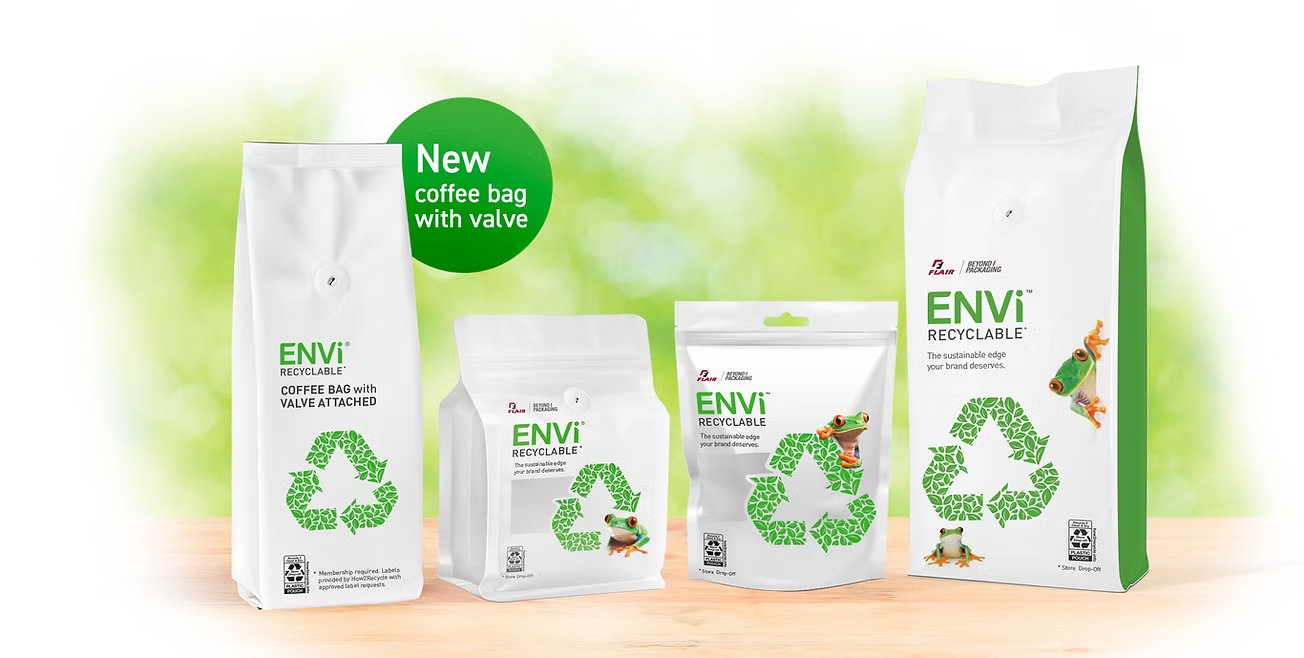


Materials Used in Recyclable Stand-Up Pouches
Recyclable stand-up pouches use mono-material polymer structures where primary components belong to single plastic family enabling processing within existing recycling streams.
Polyethylene (PE) stand-up pouches are the most widely used recyclable flexible packaging, combining multiple PE film layers engineered for different functions. HDPE (high-density polyethylene) provides structural strength and stiffness, LLDPE (linear low-density polyethylene) delivers sealability and flexibility, and barrier PE layers improve oxygen resistance. Although pouches contain multiple layers, all are polyethylene allowing processing together during recycling. PE-based stand-up pouches design for store drop-off recycling systems where plastic films collect at retail locations.
Polypropylene (PP) stand-up pouches offer higher stiffness than PE, good moisture resistance, and excellent clarity and print quality. PP structures include BOPP (biaxially oriented polypropylene) for structural layers, cast polypropylene seal layers, and barrier-coated PP films. PP films typically deliver stronger moisture barriers than PE films, though flexible PP recycling infrastructure remains less widespread than PE film recycling in some regions. Brands should verify PP film drop-off availability in their markets.
High-barrier recyclable film technologies replace aluminum foil and metallized films using ultra-thin barrier coatings improving performance while maintaining recyclability. Aluminum oxide (AlOx) coatings, silicon oxide (SiOx) coatings, transparent barrier coatings, and high-barrier polymer coatings are extremely thin and don't interfere with mechanical recycling. These coatings enable mono-material pouches to approach traditional laminate barrier performance, though products highly oxygen-sensitive may require nitrogen flushing, modified atmosphere packaging, or slightly thicker films.
Closures and components including zippers, spouts, degassing valves, and tear notches must use the same polymer family as pouch film for complete recyclability. PE pouches require PE-compatible zippers and valves, PP pouches need PP-compatible components. Mixed polymer components contaminate recycling streams even when primary film is mono-material.
Design Considerations for Recyclable Stand-Up Pouches
Stand-up pouches face unique design requirements balancing recyclability with shelf presentation, seal integrity, and product protection distinguishing them from flat pouch formats.
Shelf presentation and structural requirements drive format specifications. Stand-up pouches must maintain vertical stability when filled supporting product weight (500g to 2kg typical) without collapsing or tipping. This requires adequate film stiffness, proper bottom-gusset engineering, and structural rigidity PE or PP films must provide. Shelf presence affects brand visibility and retail acceptance making structural performance non-negotiable. PP generally provides better stiffness than PE benefiting stand-up stability, though PE structures can achieve adequate performance through film thickness and HDPE content adjustments.
Seal integrity and bottom-gusset engineering determine packaging functionality. Stand-up pouches require multiple critical seal areas including bottom-gusset seals (supporting product weight), side seals (maintaining package integrity), and top seals (closure and filling). Bottom-gusset seals face highest stress and must withstand product weight plus handling during filling, shipping, and retail display. Recyclable films may require heat-seal temperature adjustments, seal pressure modifications, or machine setting changes versus traditional laminates. Suppliers should assist with seal performance testing and filling line compatibility validation.
Barrier performance needs vary by product category. Food products require oxygen barriers preventing flavor loss and oxidation, moisture barriers maintaining texture and preventing clumping, and potentially light barriers protecting photosensitive ingredients. Traditional foil-based laminates provide extremely low OTR values. Recyclable mono-material films may have slightly higher oxygen permeability though modern barrier coatings significantly improved performance. Products highly oxygen-sensitive (premium coffee, certain snacks, supplements) may require nitrogen flushing or modified atmosphere packaging supplementing barrier coatings.
Format flexibility and consumer convenience affect brand adoption. Stand-up pouches increasingly include recloseable zippers maintaining product freshness after opening, tear notches enabling easy opening, and hang holes for retail display. These features require component compatibility with mono-material structure. Zippers must match polymer family (PE zippers for PE pouches), tear notches must not compromise seal integrity, and hang holes must not create weak points causing package failure. Format engineering balances functionality with recyclability.
How to Choose Recyclable Stand-Up Pouch Suppliers
Selecting suppliers requires assessing format expertise, structural engineering capabilities, barrier performance validation, and manufacturing quality critical for stand-up pouch success.
Request format-specific performance testing through shelf-life testing with actual products under distribution conditions, bottom-gusset seal strength testing validating product weight capacity, and top-load compression testing simulating stacking during shipping and retail display. Stand-up pouches face unique stresses versus flat pouches requiring format-specific validation. Suppliers should provide test reports confirming designs maintain structural integrity, seal performance, and barrier protection throughout product shelf life. ISTA testing protocols may apply for shipped stand-up pouches.
Verify barrier performance and recyclability claims. Request laboratory-tested oxygen transmission rate (OTR) and moisture vapor transmission rate (MVTR) data comparing values to current packaging. For oxygen-sensitive products, extremely low OTR is critical. How2Recycle labeling provides standardized consumer disposal instructions. Suppliers should reference Association of Plastic Recyclers (APR) or Flexible Packaging Association (FPA) guidelines confirming mono-material designs align with recycling infrastructure. Third-party validation reduces greenwashing versus supplier self-certification.
Assess structural engineering and component expertise. Stand-up pouch manufacturing requires specialized knowledge in bottom-gusset formation, seal optimization for vertical loads, and film stiffness engineering. Suppliers should demonstrate experience with PE or PP mono-material stand-up formats including successful commercial deployments. Request case studies or reference customers using similar formats. Component suppliers for zippers, spouts, and valves must provide polymer-compatible options (PE or PP matching pouch film).
Evaluate customization, supply chain, and equipment compatibility. Suppliers should offer multiple stand-up pouch sizes (100ml to 5L capacities), format variations (flat-bottom, rounded-bottom, side-gusset), zipper and spout options, and custom printing maintaining brand identity. Manufacturing location (North America/Europe preferred), lead times, minimum order quantities, and production capacity affect operational success. Confirm compatibility with existing filling equipment or guidance on equipment modifications required for mono-material films versus traditional laminates.
