

Featured Solutions and Suppliers
Interested in a solution? Click "View Supplier" to learn more about the supplier.

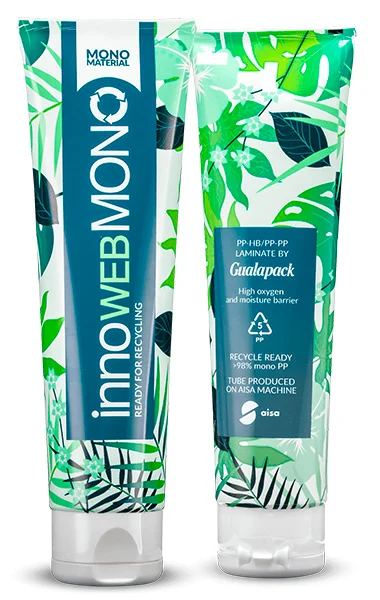


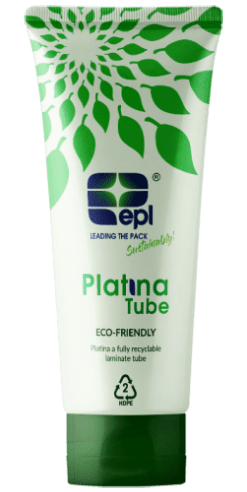


What Are Recyclable Tubes?
Recyclable tubes eliminate mixed-material laminate structures that prevent recycling, using either mono-material plastic or all-aluminum construction enabling recovery through existing recycling infrastructure.
Traditional tubes combined plastic layers, aluminum foil barriers, and adhesive laminations providing excellent barrier protection but making recycling impossible because materials are permanently bonded and can't separate during processing. This mixed-material design affects billions of tubes annually (toothpaste, lotions, creams, pharmaceuticals) reaching landfills despite consumer desire to recycle.
Two approaches are emerging for recyclable tube packaging. Mono-material plastic tubes use HDPE or PE laminates where all layers belong to polyethylene family, enabling processing in plastic recycling streams. All-aluminum tubes use impact-extruded aluminum creating seamless metal tubes that recycle through metal packaging systems. Plastic tubes are most common for toothpaste, sunscreen, lotions, and creams due to cost efficiency and widespread filling equipment compatibility. Aluminum tubes are often used for specialty cosmetics, pharmaceuticals, and paints where premium positioning or extremely high barrier requirements justify higher costs.
Brands should evaluate whether plastic or aluminum tubes best fit their product requirements, considering barrier needs (oxygen and moisture protection over shelf life), filling machinery compatibility (existing equipment or capital investment required), cost structure (aluminum tubes typically 2-4x more expensive than plastic), and recyclability infrastructure (plastic versus metal recycling acceptance in target markets).
How to Choose Recyclable Tube Suppliers
Selecting suppliers requires evaluating material pathway (plastic versus aluminum), barrier performance, product compatibility, filling line compatibility, and recyclability verification because tube performance varies significantly between technologies and manufacturers.
Determine material pathway matching product needs. Plastic mono-material tubes (HDPE/PE) suit most mass-market personal care products (toothpaste, lotions, sunscreens, creams) offering cost efficiency, widespread filling equipment compatibility, and adequate barrier performance for moderate shelf life requirements. Aluminum tubes suit specialty cosmetics, pharmaceuticals, paints, or premium products requiring extremely high oxygen barriers, luxury positioning, or products where aluminum cost premium is justified. Evaluate barrier requirements, budget constraints, filling machinery compatibility (existing equipment versus capital investment), and brand positioning determining which pathway fits best.
Request barrier performance and product compatibility testing. Suppliers should provide shelf life testing data with actual product formulations, barrier performance specifications for oxygen transmission rate (OTR) and moisture vapor transmission rate (MVTR), and product compatibility testing results validating tube materials don't interact negatively with formulations. Different products require different protection levels where toothpaste may need stronger barriers than facial creams. Products with high oil content, certain active ingredients, or oxygen-sensitive formulations require extensive testing confirming adequate protection over target shelf life. Aluminum tubes generally deliver superior barriers versus plastic tubes with EVOH layers.
Verify filling line compatibility and operational requirements. Tubes must work efficiently with existing filling and sealing equipment. Suppliers should confirm compatibility with tube filling machines (plastic versus metal tube fillers may differ), heat sealing equipment and parameters, and production line speeds. Experienced suppliers help brands adjust equipment settings accommodating new materials without requiring capital equipment investments. Some recyclable tube materials may require different sealing temperatures or fill speeds than traditional mixed-material tubes. Request production trial support and technical assistance during transitions preventing costly operational disruptions.
Assess printing, branding, and customization capabilities. Tube packaging represents major part of product visual identity. Suppliers should support high-quality printing, full-color graphics, brand customization, and advanced printing techniques (metallic effects, matte finishes, spot varnish) without compromising recyclability. Modern recyclable tube technologies (both plastic and aluminum) support sophisticated printing matching traditional tube aesthetics. Evaluate available tube sizes, closure options (flip-top, screw cap, applicator tips), and minimum order quantities affecting inventory and cash flow. Aluminum tubes often offer premium appearance through natural metal finish or specialized printing.
Verify recyclability claims and certifications. Suppliers should reference Association of Plastic Recyclers (APR) design guidelines for plastic tubes or metal packaging recycling standards for aluminum tubes confirming structures align with recycling infrastructure capabilities. How2Recycle labeling program provides standardized consumer disposal instructions. Request documentation supporting recyclability claims including material composition verification, barrier layer compatibility with recycling, and regional acceptance data. Third-party certifications reduce greenwashing risk versus supplier self-certification. Confirm whether "100% recyclable" claims mean entire package (tube plus cap plus label) or just tube body component.
Are toothpaste tubes recyclable?

Do recyclable tubes have the same barrier protection as aluminum tubes?