Featured Solutions and Suppliers
Interested in a solution? Click "Contact Supplier" and get connected to the supplier. No obligation.


Compostable vs Biodegradable: Critical Distinctions
Compostable packaging meets defined certification standards verifying breakdown in specific composting systems, while "biodegradable" is a vague, largely unregulated term enabling greenwashing without meaningful environmental accountability.
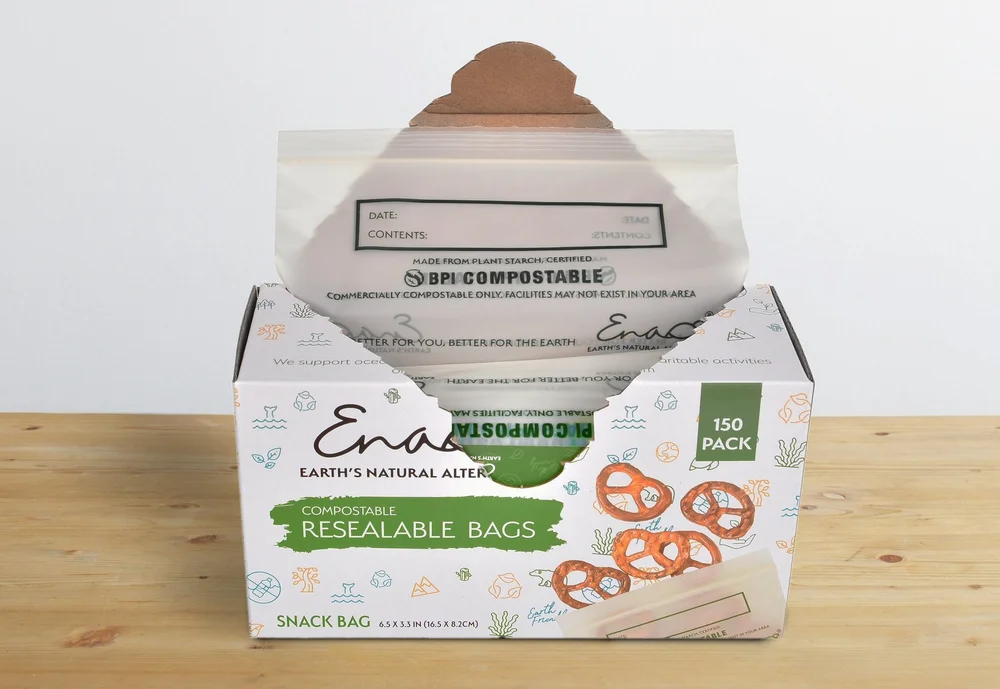
"Compostable" requires third-party certification verifying materials break down within defined timeframes (typically 90-180 days) under specific conditions (industrial or home composting), disintegrate into small particles during composting process, and leave no toxic residues in finished compost. Certifications like BPI (Biodegradable Products Institute), TÜV Austria, and EN 13432 provide independent verification through standardized testing protocols. These certifications distinguish between industrial composting (requiring 50-60°C temperatures at commercial facilities) and home composting (breaking down at ambient outdoor temperatures in backyard systems). When packaging carries BPI or EN 13432 certification, buyers know exactly what conditions are required for proper breakdown.
"Biodegradable" lacks regulatory definition and can mean almost anything from "breaks down eventually under unknown conditions" to "fragments into microplastics." A material labeled biodegradable might take 5 years, 50 years, or 500 years to break down, could leave toxic residues, might only degrade under laboratory conditions never found in nature, or may simply fragment into smaller plastic pieces without actually biodegrading. The term has no required timeframe, no mandated testing, no verification process, and no accountability. This makes "biodegradable" the preferred term for greenwashing where companies can claim environmental benefits without proving anything. The FTC Green Guides warn against unqualified "biodegradable" claims as potentially deceptive unless products completely decompose within reasonably short periods after customary disposal.
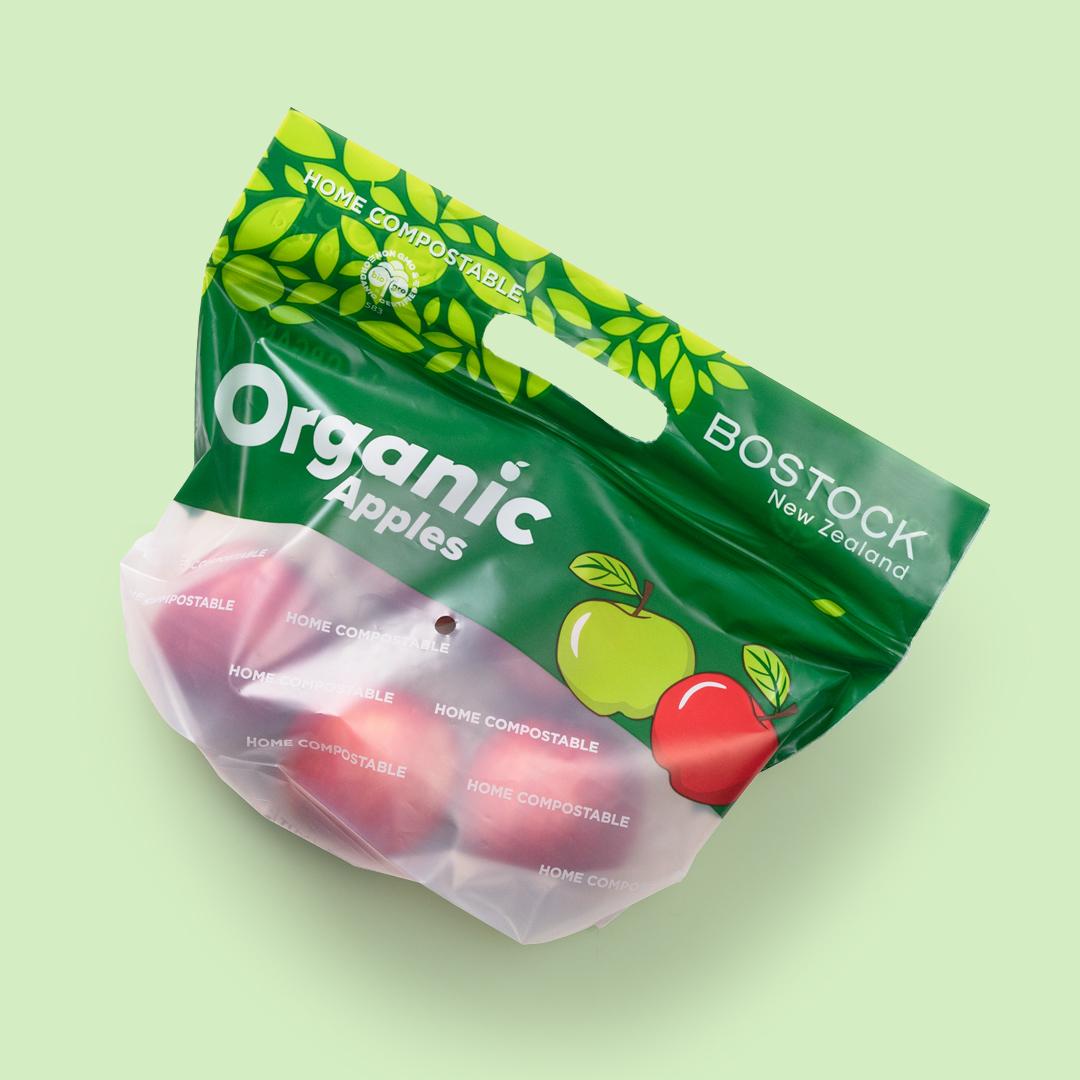
Industrial versus home composting represents critical distinction most buyers miss. Industrial composting facilities achieve 50-60°C (122-140°F) temperatures through controlled pile management, large-scale operations, and active aeration systems. These high temperatures activate microbial processes enabling certified compostable materials to break down within 90-180 days per ASTM D6400 or EN 13432 standards. Materials like PLA (polylactic acid) require these industrial temperatures and will not break down in home composting systems, landfills, or natural environments despite being certified "compostable." Home composting operates at much lower ambient outdoor temperatures (typically 20-30°C), slower microbial activity, and less controlled conditions. Only materials specifically certified for home composting (TÜV OK Compost Home, AS 5810, NF T51-800) will break down in backyard systems. The critical insight: a material can be certified compostable yet still functionally behave like traditional plastic if disposed in home compost or landfills.
Infrastructure access determines actual environmental outcomes more than certification. Roughly 20% of U.S. population has access to industrial composting facilities, and fewer programs accept packaging versus food-only organics. Europe varies dramatically from 80%+ access in some regions to minimal infrastructure in others. This means certified compostable packaging may reach landfills in 80% of markets where anaerobic conditions prevent designed breakdown, potentially releasing methane (greenhouse gas) rather than becoming useful compost. Without matching certified materials to actual composting infrastructure in your markets, environmental benefits remain theoretical rather than realized.
Materials Used in Compostable Packaging
Multiple material options exist with different performance characteristics, certification pathways (industrial versus home composting), and infrastructure requirements determining real-world outcomes.
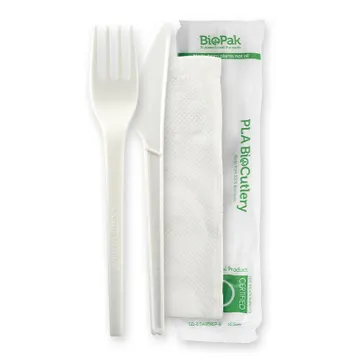
PLA (polylactic acid) bioplastics are the most widely used compostable material, produced by fermenting plant sugars from corn, sugarcane, or cassava creating bio-based polymer resembling conventional plastic appearance and moldability. PLA works for cups and containers, clear lids and packaging films, utensils and rigid foodservice items, and coatings for paper-based packaging. PLA provides good clarity for product visibility, structural rigidity for cold applications, and lower production costs than PHA alternatives making it commercially viable at scale. However, PLA requires industrial composting conditions (140-160°F temperatures) to break down within 90-180 days per ASTM D6400, will not compost in home systems (too low temperature), landfills (anaerobic conditions prevent breakdown), or natural environments (marine or soil degradation essentially non-existent). PLA also softens at temperatures above 110-120°F making it unsuitable for hot food or beverage applications. The critical limitation: PLA labeled "compostable" requires industrial facilities that only 20% of population can access.
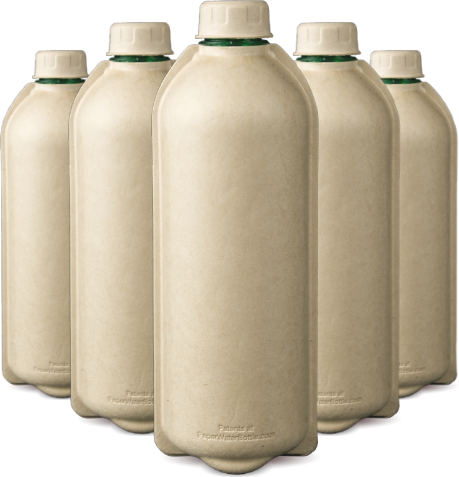
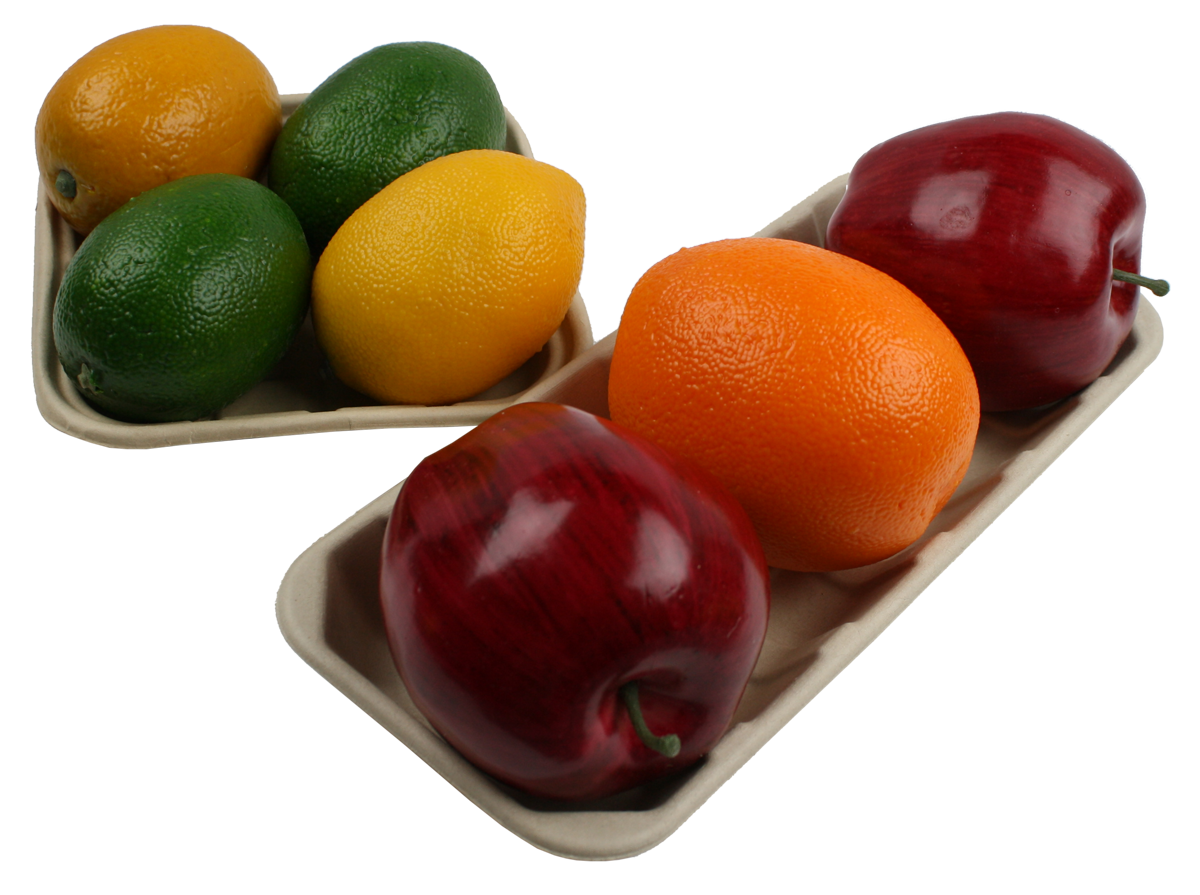
Molded fiber and bagasse materials use plant fibers from sugarcane bagasse (residue after juice extraction), wheat straw, bamboo fiber, or recycled paper pulp formed into rigid shapes through molding processes. These materials work for takeout containers and clamshells, bowls and plates, trays and food carriers, and protective packaging. Molded fiber provides renewable agricultural waste utilization, strong structure suitable for hot foods without softening, natural compostability in both industrial and home composting systems (unlike PLA), and typically lower cost than PLA. However, molded fiber weakens with excessive liquid exposure, provides less precise sealing than plastic clamshells, and offers limited transparency (cannot see food contents). The key advantage over PLA: molded fiber breaks down more readily in home composting and even breaks down partially in landfills (though landfill conditions aren't ideal), providing more flexible end-of-life pathways than industrial-only materials.
PHA (polyhydroxyalkanoates) polymers represent emerging bio-based materials produced through microbial fermentation offering superior biodegradability in natural environments (marine, soil) versus PLA, compatibility with both industrial and some home composting systems, and potential to address ocean plastic concerns through actual marine biodegradation. PHA suits flexible films and bags, specialty food packaging, and applications where marine biodegradability provides differentiation. However, PHA currently costs 3-5x more than PLA due to limited production scale, has less established supply chains affecting availability, and still performs best in industrial composting despite improved natural degradation. PHA suits premium brands prioritizing marine biodegradability or early adopters willing to pay significant premiums for emerging materials.
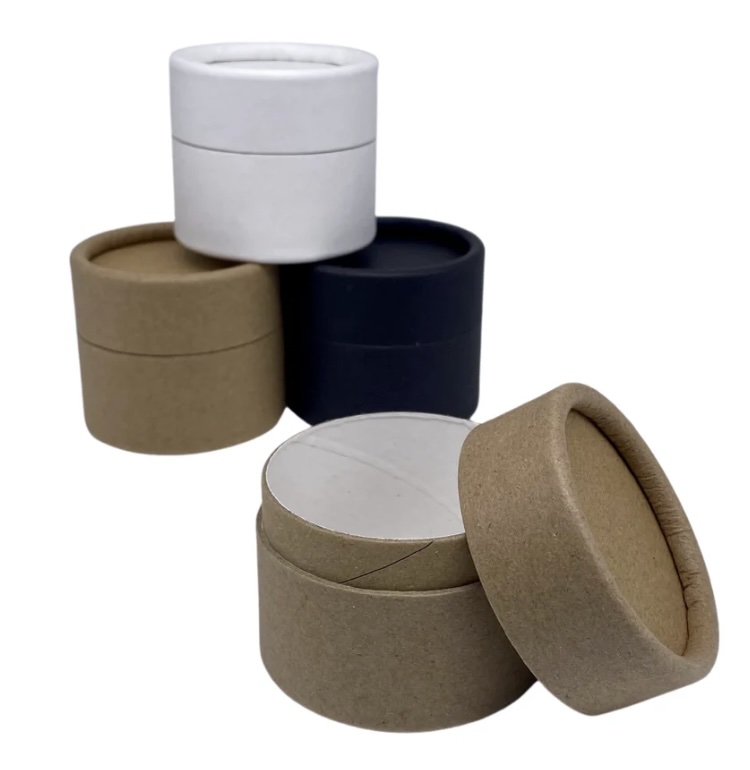
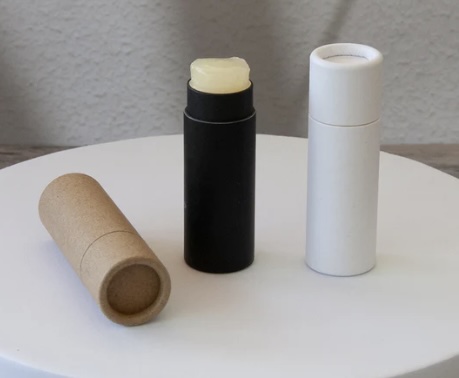
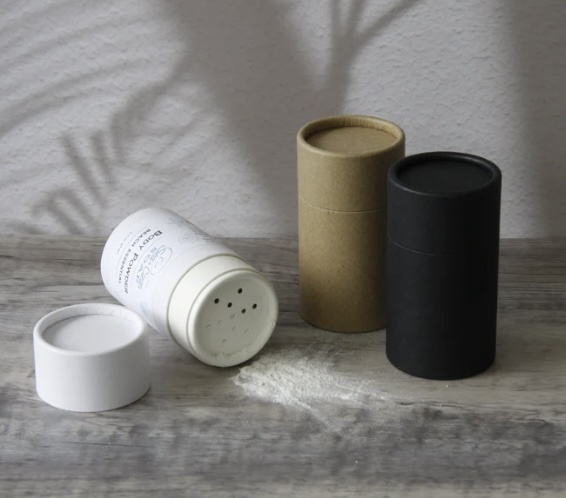
Paper with compostable coatings uses paperboard or fiber substrates combined with bio-based barrier layers (PLA dispersions, plant-based coatings, bio-polymer formulations) protecting against moisture, grease, and oils while maintaining compostability. These materials work for coffee cup linings, food trays and sandwich boxes, bakery packaging, and takeout cartons. Paper-based packaging provides familiar aesthetics and consumer understanding, potential recyclability if coatings are minimal and paper clean (though food contamination usually prevents this), and industrial compostability when coatings meet standards. However, coating performance varies significantly between suppliers where some provide adequate barriers while others fail with oily foods, and coating chemistry affects whether entire package meets BPI or EN 13432 certification. The coating choice determines whether paper base actually composts successfully versus contaminating compost streams.
Certifications and Infrastructure Reality
Certifications provide independent verification of breakdown claims, but actual environmental outcomes depend on matching certified materials to composting infrastructure acceptance and consumer disposal behavior.
BPI (Biodegradable Products Institute) certification is the dominant North American standard verifying products meet ASTM D6400 (plastics and films) or ASTM D6868 (coated papers and laminates) for industrial composting. BPI certification confirms materials break down within 180 days at industrial facility conditions (controlled 50-60°C temperature, moisture, microbial activity), leave no harmful residues in finished compost meeting safety standards, and disintegrate into particles small enough to pass screening (less than 2mm after 12 weeks). This provides legal defensibility for "compostable" claims under FTC Green Guides and state laws like California SB 343. However, BPI certification is industrial-only, meaning certified materials require commercial composting facilities. BPI does not certify for home composting, landfill breakdown, or marine environments. Without industrial composting infrastructure access, BPI-certified materials may still reach landfills despite certification.
TÜV Austria certifications distinguish between industrial and home composting through separate standards. "OK Compost Industrial" certification verifies breakdown in commercial facilities at 50-60°C similar to BPI/ASTM standards. "OK Compost Home" certification verifies materials break down in home composting systems at ambient outdoor temperatures (typically 20-30°C) within defined timeframes, representing significantly harder standard to achieve than industrial certification. Only materials achieving home compost certification will actually break down in backyard systems. This distinction is critical because consumers often assume "compostable" means home compost, leading to contamination of backyard compost piles with industrial-only materials (particularly PLA) that won't break down properly. Similar home composting standards include AS 5810 (Australia) and NF T51-800 (France). When evaluating suppliers, clarify whether certification covers industrial only or includes home composting.
EN 13432 standard governs European compostability claims requiring biodegradation within 180 days, disintegration into small particles, and safety testing for heavy metals and ecotoxicity in finished compost. EN 13432 is mandatory for "compostable" marketing claims in EU markets and increasingly recognized globally as industrial composting benchmark. Like BPI, EN 13432 verifies industrial composting only unless specifically supplemented with home composting testing. European composting infrastructure varies dramatically from robust programs in Germany, Netherlands, and parts of Italy achieving 80%+ access, to minimal infrastructure in other regions, meaning EN 13432 certification alone doesn't guarantee disposal pathway access.
Infrastructure access determines whether certification translates to environmental benefits. Industrial composting facilities exist for roughly 20% of U.S. population concentrated in West Coast cities (Seattle, San Francisco, Portland), select Northeast markets (Boston, New York commercial programs), and scattered municipal programs elsewhere. The remaining 80% of markets lack facilities or facilities accept food-only organics excluding packaging. Europe ranges from 80%+ infrastructure access in leading countries to 20-30% in others. Even where facilities exist, not all accept compostable packaging due to contamination concerns (PLA looks like plastic), lack of certification verification systems, or concerns about processing capacity. This infrastructure reality means certified compostable packaging may reach landfills in most markets where anaerobic conditions prevent designed breakdown, undermining environmental benefits. Brands must verify infrastructure exists and accepts packaging in target markets before claiming compostability benefits.