

Common Sustainable Beverage Packaging Formats and Suppliers
Interested in a solution? Click "View Supplier" to learn more about the supplier.




-1.avif)
%202.avif)




What Makes Beverage Packaging Uniquely Challenging
Beverages are one of the most technically demanding packaging categories to make sustainable, and the reason comes down to what is inside. Liquids need real barrier protection. Carbonated drinks require packaging that holds CO2 without leaking or deforming. Juices and teas are sensitive to oxygen and light, which degrade flavor and nutritional value over time. Alcoholic beverages carry regulatory requirements on top of performance ones.
This is why beverage brands cannot simply swap to a new sustainable material the way a dry goods brand might. A format that compromises barrier performance will ruin the product before it reaches the shelf. A paper-based format that cannot survive cold chain conditions creates a different problem entirely. The sustainability decision always starts with the technical requirements of your specific product.
Scale adds another layer. Beverage packaging runs at high volumes and high speeds. Whatever format you choose needs to work on your filling line, survive your distribution network, and meet retailer requirements. Getting clear on your product's specific technical needs is the first step before evaluating any sustainable format.
Your Main Sustainable Beverage Packaging Options
The beverage category has more genuinely viable sustainable options than almost any other CPG segment. Here is an honest look at the main paths.
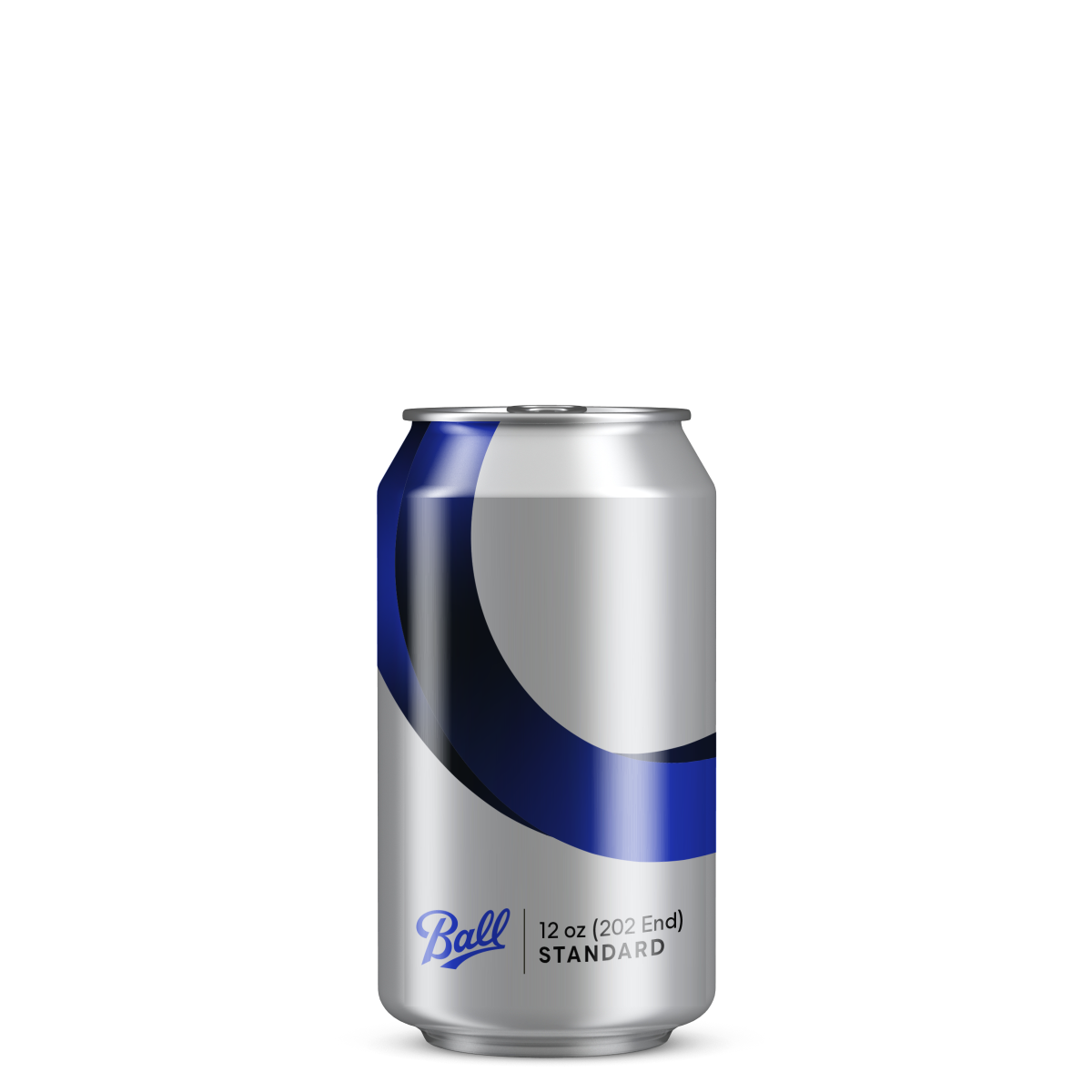
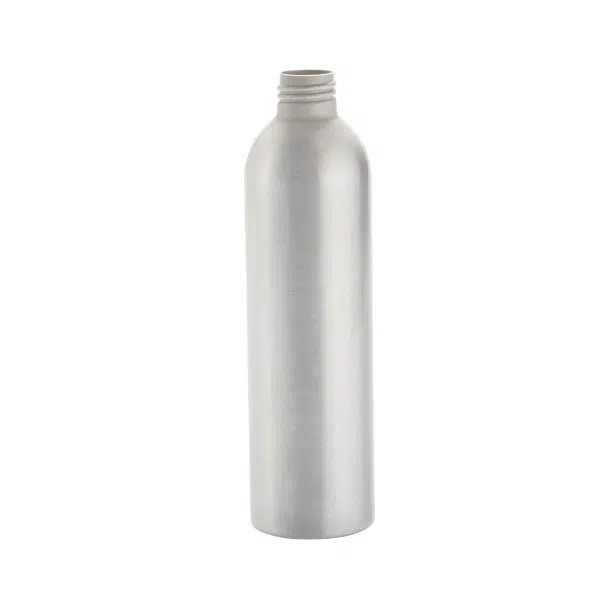
Aluminum cans and bottles carry the strongest recyclability story in the category. Aluminum is infinitely recyclable without quality loss, and recycling rates reach 85% or higher in deposit return states. Cans work exceptionally well for carbonated beverages, cold brew coffee, energy drinks, and water. The tradeoff worth understanding is that aluminum has a higher upfront carbon footprint in production compared to PET, which is offset over time through high recycling rates — but only when customers actually recycle.
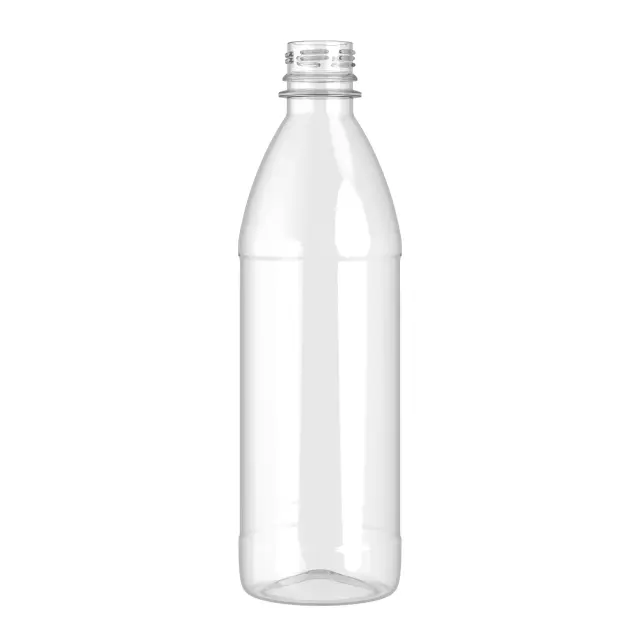
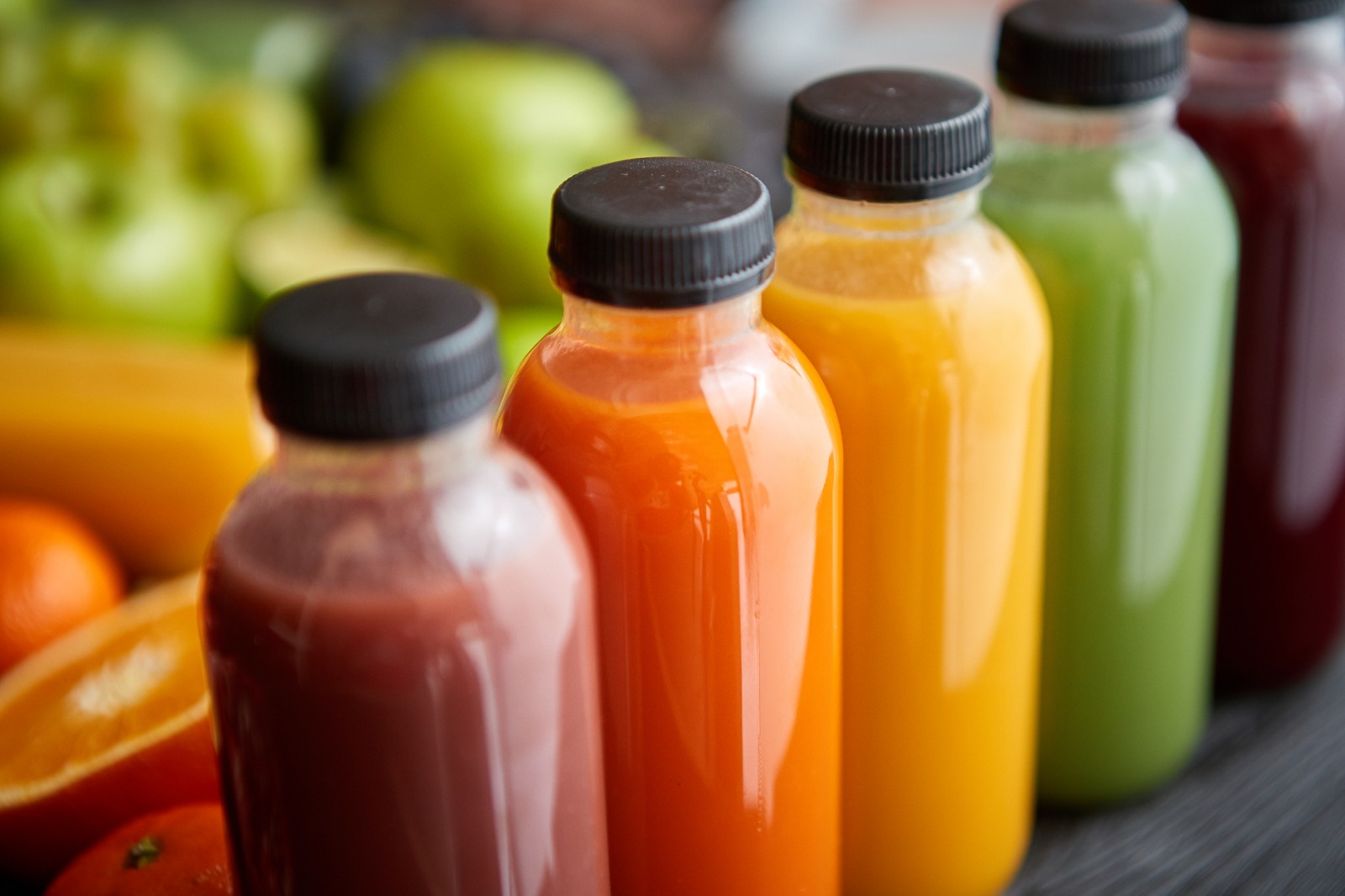
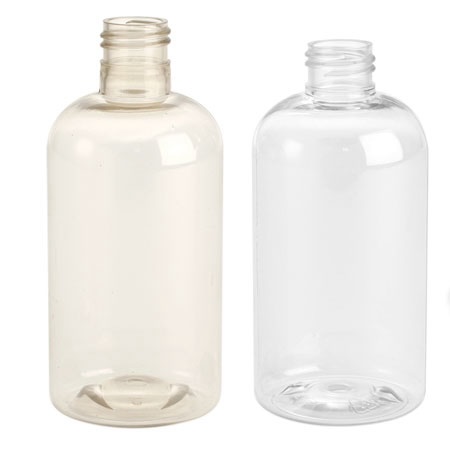
PET bottles with recycled content are the most widely adopted path for brands that need a clear, lightweight format. Using 25 to 100% post-consumer recycled PET (rPET) reduces greenhouse gas emissions 30 to 70% compared to virgin plastic production. The practical limitations are cost — rPET typically runs 10 to 30% more than virgin PET depending on market conditions — and supply variability tied to regional collection rates. California AB 793 requires beverage bottles to contain 50% rPET by 2030, which is worth factoring into your planning if you sell in that market.
Glass is infinitely recyclable and carries strong consumer trust, particularly for premium beverages, spirits, wine, and specialty products. The tradeoffs are weight (which affects shipping cost and carbon footprint), breakage risk during distribution, and higher energy requirements in production. For DTC brands specifically, glass adds real complexity in cold chain management and damage rates during last-mile shipping.
Paper-based cartons, both aseptic and gable-top formats, are a strong option for juices, plant-based milks, and shelf-stable beverages. They are primarily fiber-based, use significantly less plastic than a comparable PET bottle, and have a lower carbon footprint for certain product types. The recycling story is more nuanced — carton recycling infrastructure has expanded considerably but remains less widespread than aluminum or PET, and the multi-layer construction creates processing complexity at some facilities.
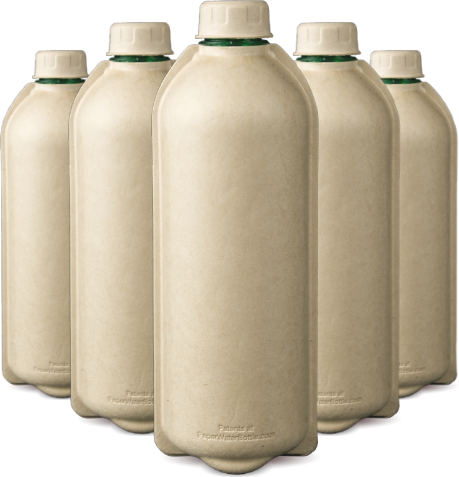
Emerging formats including paper bottles, seaweed-based packaging, and refillable systems are gaining traction for innovation-forward brands. Most are still scaling and real-world shelf life data for specific product types is still developing. If you are considering any of these, ask suppliers for documented performance data before committing to production volumes.
Which Beverage Packaging Is Right for Your Product
The right format comes down to four things: what is in the bottle, where you are selling it, who your customer is, and what your volume looks like.
Start with your product's technical requirements. Carbonated beverages need formats that handle CO2 pressure — aluminum and PET both work well, glass works but adds weight, and paper formats are not yet viable for carbonated applications. Oxygen-sensitive products like cold-pressed juices need formats with strong oxygen barrier performance. Hot-fill products have different material requirements than cold-fill. Write down your technical requirements before you evaluate any format.
Consider your distribution model next. DTC brands have more flexibility — you control the customer relationship, can educate on disposal, and typically have faster inventory turns that reduce shelf life pressure. Retail is more constrained. Retailer sustainability requirements are tightening across the board, and your packaging needs to survive a longer, more complex supply chain without the benefit of direct consumer communication.
Volume shapes your options more in this category than most. Major aluminum can suppliers typically require higher minimums, though smaller craft-focused suppliers have opened up access for emerging brands at lower volumes. Glass has more flexible minimum order options across a wider supplier base. rPET availability and pricing vary by region and supply chain maturity, so it is worth qualifying suppliers early in your process.
Finally, make sure the sustainability claim you plan to make is supported by the format you select. A recyclable aluminum can is a strong, defensible claim in most markets. A paper bottle is compelling but recyclability depends entirely on the liner or barrier construction used — and not all paper bottles recycle the same way. Whatever direction you choose, the claim needs to hold up when a retailer or consumer asks how it works.
What is the most sustainable beverage packaging?

Is aluminum or plastic better for the environment?