

Featured Solutions and Suppliers
Interested in a solution? Click "View Supplier" to learn more about the supplier.








Recyclable Materials for Water Bottle Packaging
Most recyclable water bottles use materials already compatible with existing recycling systems, with performance differences affecting recovery rates and circular economy potential.
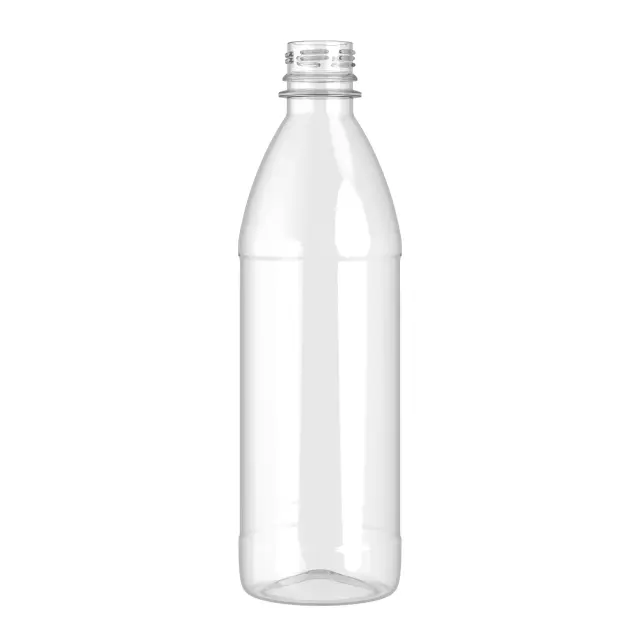
PET plastic bottles are the most widely used water bottle material offering high clarity and transparency for product visibility, lightweight construction reducing shipping emissions and material use, good strength and durability for distribution, and compatibility with curbside recycling programs (95%+ program acceptance). PET bottles process into recycled PET (rPET) used in new bottles, fibers, and packaging materials through mechanical recycling. However, U.S. PET bottle recycling rate averages only 29% (85%+ in deposit return states) despite widespread curbside acceptance, meaning consumer participation and collection infrastructure significantly affect actual recovery.
Recycled PET (rPET) content reduces virgin plastic demand. Recycled PET is produced by processing used PET bottles through mechanical recycling systems where material is cleaned, sorted, melted, and converted into new plastic resin manufacturing new bottles. Using rPET reduces energy consumption, greenhouse gas emissions, and raw material demand versus virgin PET production. Many bottled water brands now use 25-100% recycled PET bottles (caps and labels may still use virgin plastic). Some achieve 100% rPET bottles including Evian, Dasani, and emerging brands. California AB 793 requires 50% rPET by 2030 for beverage bottles driving recycled content adoption.
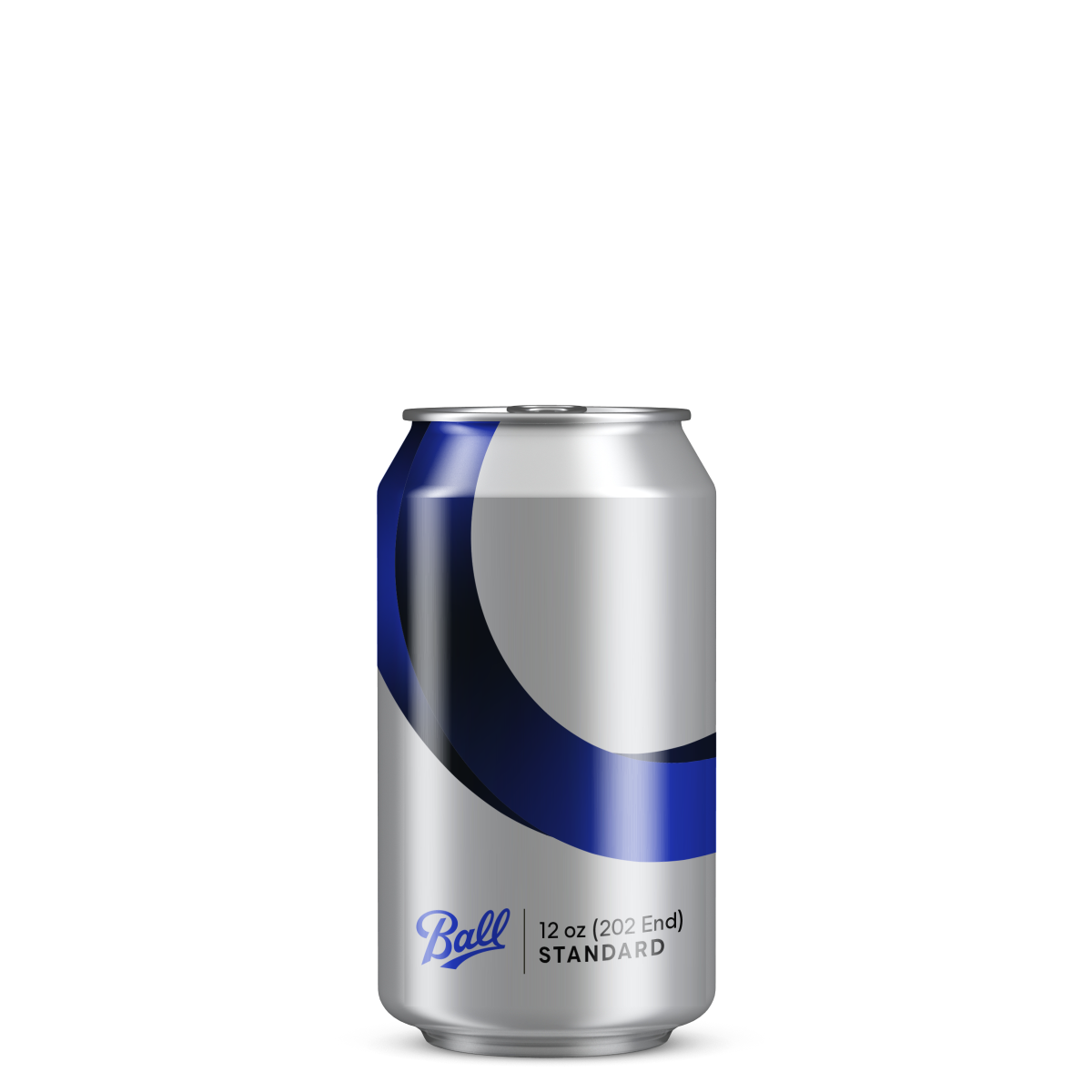
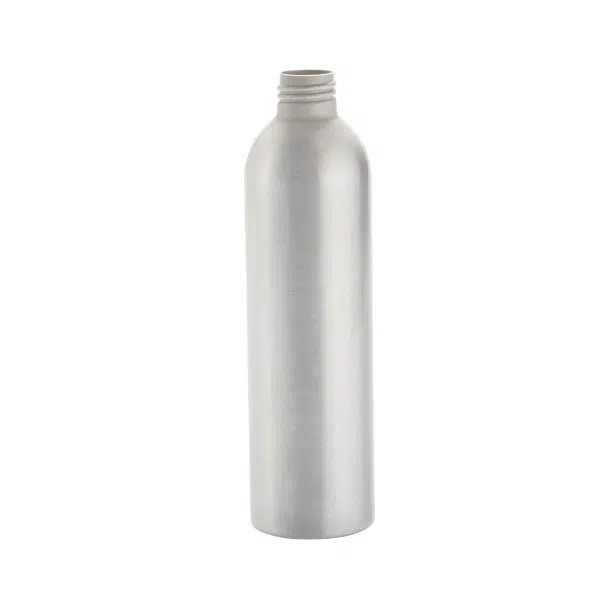
Aluminum bottles and cans provide metal packaging alternatives with superior recycling performance. Aluminum offers high recycling value maintaining material worth in recycling systems, ability to recycle repeatedly without quality loss (75% of all aluminum ever produced still in use), strong barrier protection against light and oxygen, and 52% U.S. recycling rate (70-85%+ in deposit return states) significantly higher than PET. Aluminum beverage containers achieve 60-day can-to-shelf closed loop in strong markets. However, aluminum bottles are heavier than PET (200-350g versus 12-35g) increasing shipping emissions, and typically cost 3-5x more than PET affecting price positioning.
Glass bottles offer premium positioning with infinite recyclability without quality loss, natural material perception, complete light and oxygen barriers, and 50-90% post-consumer recycled content (cullet) availability. Glass recycling is well-established with 70-80% recovery in strong markets (varies by region and color). However, glass weighs significantly more than PET or aluminum (500-700g versus 12-350g) creating transportation emission trade-offs, breaks during shipping or use creating safety and operational challenges, and typically costs more than plastic affecting positioning. Glass works best for premium water brands, refillable systems, or local/regional distribution minimizing shipping distances.
Bottle Formats Designed for Recycling
Beyond material selection, bottle design significantly affects recyclability through label compatibility, cap systems, color choices, and lightweighting strategies optimizing recycling outcomes.
Lightweight bottle design reduces plastic use through thinner PET walls and optimized bottle geometry. Lightweighting strategies include reducing material per bottle by 20-40% versus traditional designs, optimized structural engineering maintaining strength with less material, and advanced blow molding technologies creating efficient bottle shapes. Benefits include less raw material consumption, less energy to produce, and lower transportation emissions. However, bottles must maintain sufficient structural strength withstanding shipping and handling without collapsing or puncturing. Extreme lightweighting can compromise performance requiring balance between material reduction and functionality.
Label and cap compatibility affects recycling process efficiency. Preferred label designs include PET-compatible shrink sleeves (not PVC or PETG interfering with recycling), wash-off adhesives releasing in alkaline wash during recycling, and smaller label coverage areas (under 60% bottle surface recommended by APR). Full-body shrink sleeves made from incompatible materials can confuse optical sorters or prevent proper recycling. Caps typically use HDPE or polypropylene (PP) compatible with recycling systems. Tethered caps remaining attached to bottles after opening reduce litter, improve recycling capture rates, and are required in EU markets by 2024. Water-based inks and minimal adhesive use further improve recyclability.
Clear versus colored bottle specifications affect recycling value and circular economy potential. Clear PET bottles deliver highest commodity value in recycling markets, enable bottle-to-bottle food-grade recycling maintaining material in highest-value use, and process easily in optical sorting systems. Colored or opaque PET bottles (green, blue, amber) may recycle into lower-value products (fibers, strapping materials) because color can't be removed during mechanical recycling, reducing circular economy benefits. Sprite famously transitioned from green to clear bottles in 2022 specifically to maximize recyclability. For bottle-to-bottle recycling, clear PET is strongly preferred by recycling systems and represents best practice for water bottles.
Deposit return systems dramatically increase recovery rates. States with bottle deposits (California, Oregon, Michigan, Connecticut, Hawaii, Iowa, Maine, Massachusetts, New York, Vermont) achieve 65-85% PET recycling rates versus 15-20% in non-deposit states. Deposit systems create financial incentive for consumer return, dedicated collection infrastructure, and cleaner recycling feedstock. Brands operating in deposit states benefit from higher recycling rates supporting circular packaging claims.
Fiber-Based Water Packaging Alternatives
In addition to traditional bottles, some water brands use fiber-based packaging formats designed to reduce plastic usage through paperboard structures, though these typically still contain plastic liners and may require specialized recycling systems.
Paper cartons use multilayer structures combining paperboard structural layers (typically 70-75% of package), thin plastic lining (polyethylene, 20-25%), and sometimes aluminum barrier layers (5-6%) for extended shelf life products. Brands like Boxed Water have popularized this format for water. The paperboard component provides structural strength and renewable material content while internal layers protect liquid from moisture and contamination. Cartons are lighter than many rigid containers and reduce plastic content 70-75% compared to conventional bottles.
However, recycling cartons requires specialized recycling facilities capable of separating paper fibers from plastic or aluminum layers through hydrapulping processes. Only about 60% of U.S. population has access to facilities accepting cartons, significantly lower than PET bottle acceptance (95%+ curbside programs). Actual carton recycling rates vary by region with established programs achieving 25-40% recovery where infrastructure exists. Fiber recovery is primary benefit, with plastic and aluminum components often not recovered. Cartons work well for brands prioritizing plastic reduction and natural material perception, though recycling infrastructure limitations affect environmental outcomes compared to widely recyclable PET bottles.
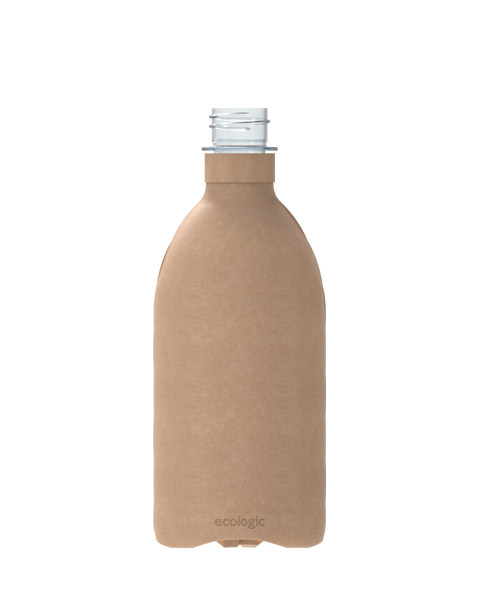
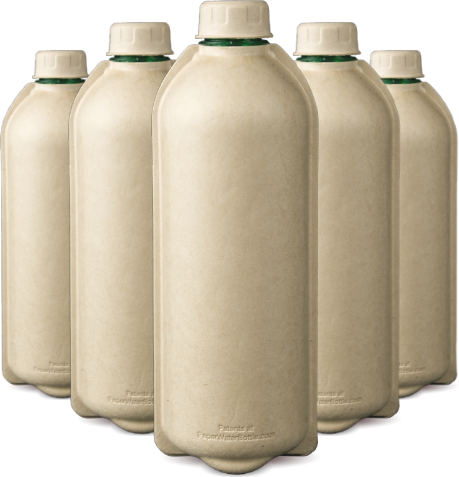
Paper bottles represent emerging technology using molded fiber shells combined with thin internal liners aiming to reduce plastic use while maintaining bottle functionality. These designs typically use 70-80% paper pulp outer shell with thin plastic or bio-based barrier liner (similar to paper bottle technology covered in our Paper Bottles guide). Paper bottles are still developing commercially with limited market availability and may require specialized recycling or material separation processes not widely available. Consumer understanding of disposal pathways remains unclear as technology scales. These suit brands seeking plastic-free messaging and willing to accept higher costs and recycling infrastructure challenges versus proven recyclable bottles.
