

Featured Solutions and Suppliers
Interested in a solution? Click "View Supplier" to learn more about the supplier.


Paper Bottle Construction and Materials
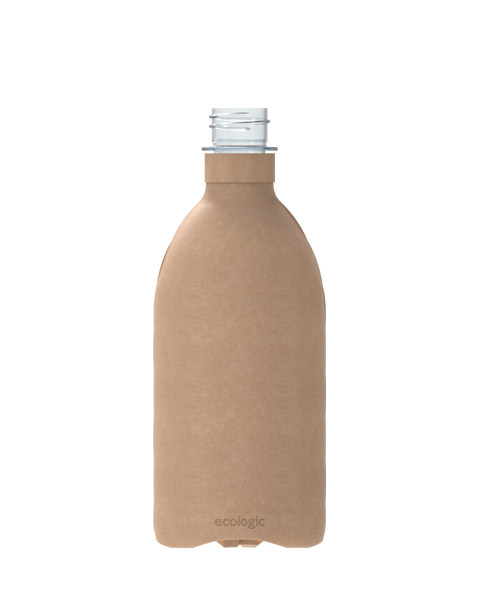
Paper bottles combine molded fiber shells providing structural rigidity with barrier technologies creating liquid protection, reducing total plastic content while maintaining bottle functionality through different technological approaches.
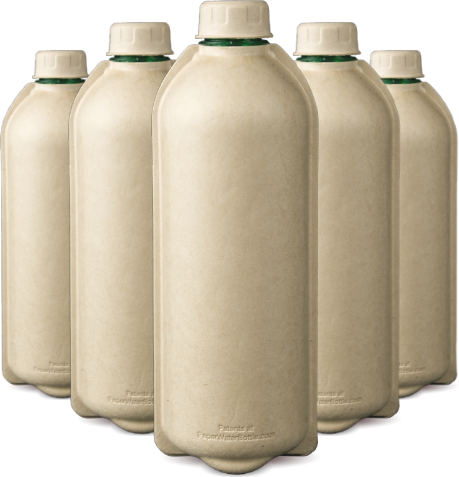
Molded pulp outer shell forms the primary structure using wood pulp, recycled paper fibers, or agricultural fiber sources (bagasse, wheat straw) formed into bottle shapes through molding and heat processes. The fiber shell provides rigidity, protects internal barriers, and accounts for 70-80% of the bottle's weight. This shifts most bottle structure from plastic to renewable fiber resources. The outer shell often uses recycled fiber content (30-100%) depending on supplier and performance requirements. FSC (Forest Stewardship Council) or SFI (Sustainable Forestry Initiative) certifications verify responsible fiber sourcing from sustainably managed forests.
Barrier technologies create moisture and oxygen protection because paper alone absorbs liquids and weakens when wet. Traditional approaches use thin plastic liners (polyethylene films much thinner than conventional bottle walls, typically 0.1-0.3mm versus 0.5-1.5mm for PET bottles) or EVOH (ethylene vinyl alcohol) barrier layers providing enhanced oxygen protection for shelf-stable products. Emerging alternatives include bio-based polymer coatings derived from plant materials, natural wax barriers combined with mineral layers preventing moisture penetration, water-based dispersion coatings for semi-liquid products, or proprietary bio-polymer formulations aiming to eliminate conventional plastics. The exact barrier chemistry is often proprietary to suppliers and performance varies significantly between technologies.
Barrier approach trade-offs affect recyclability and performance. Thin plastic liners deliver proven barrier performance and widespread availability but create hybrid structures requiring material separation for recycling. Bio-based coatings may offer paper recyclability compatibility and reduced plastic content, though barrier performance typically lower than plastic liners limiting applications to less demanding products (cosmetics, lotions, non-carbonated beverages with moderate shelf life). Some "plastic-free" barrier coatings still use bio-polymers behaving chemically like plastics despite plant-based origins. Manufacturers should clarify specific barrier composition rather than vague "plastic-free" or "bio-based" claims.
Bottle closures and assembly use standard plastic caps (polypropylene or HDPE) similar to conventional bottles compatible with existing recycling streams. Production occurs in two stages where molded fiber shell is formed and dried, then barrier liner is inserted or barrier coating is applied to shell interior. Some designs allow nested shipping where fiber shells transport efficiently before final assembly reducing transportation emissions.
Sustainability Advantages and Performance Limitations
Paper bottles reduce plastic content significantly but introduce trade-offs requiring careful evaluation against product protection needs, barrier technology maturity, and recycling infrastructure realities.
Plastic reduction drives adoption. Paper bottles reduce plastic content by 70-80% compared to traditional PET bottles when using thin plastic liners, or potentially eliminate conventional plastics entirely when using bio-based barrier coatings (though coating chemistry and performance vary significantly between suppliers). This shifts bottle structure from fossil fuel-derived materials to renewable fiber from sustainably managed forests or agricultural waste. Lightweight designs help reduce transportation emissions when combined with efficient nested shipping of fiber shells before assembly.
Barrier performance varies by technology. Liquid packaging requires protection against moisture, oxygen, and flavor migration. Plastic liners provide proven barrier performance adequate for water, juices, and personal care products with moderate shelf life requirements. Bio-based barrier coatings represent emerging technology with performance varying widely between mineral barriers, natural waxes, water-based dispersions, and proprietary bio-polymers. Products requiring extremely low oxygen transmission (orange juice, wine) or pressure resistance (carbonated beverages) often exceed current bio-based coating capabilities requiring plastic liner approaches. Barrier technology selection must match product sensitivity and shelf life targets through validated testing.
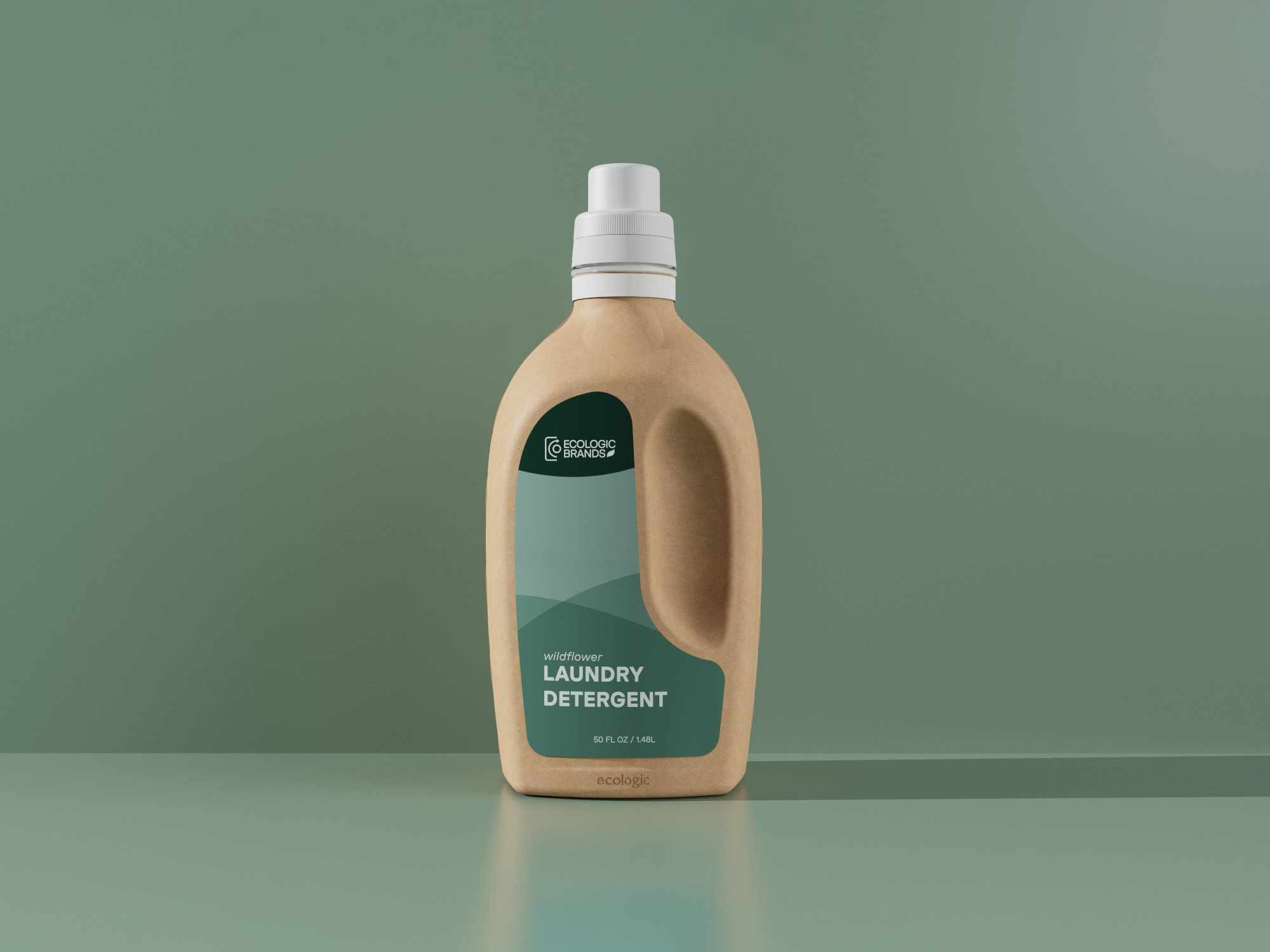
Application limitations restrict suitable products. Paper bottles work well for still water, non-carbonated juices, personal care products (lotions, cosmetics, detergents), supplements, and dry powders when using appropriate barrier technology. Carbonated beverages require pressure resistance that current fiber bottle designs struggle to provide. Highly oxygen-sensitive products or long shelf-life beverages may exceed bio-based coating barrier capabilities requiring plastic liner approaches. Products interacting aggressively with barriers (high alcohol content, acidic liquids, cleaning chemicals) require extensive compatibility testing validating barrier integrity over shelf life.
Recycling outcomes depend on barrier type. Paper bottles with thin plastic liners aren't fully recyclable in standard paper systems because materials require separation. Some designs allow consumer liner removal enabling separate paper and plastic recycling, while others need specialized facilities mechanically separating materials. Paper bottles using bio-based barrier coatings may offer paper recyclability compatibility when coatings don't interfere with pulping processes, though regional infrastructure capabilities vary. Many areas lack facilities processing either hybrid bottles or coated fiber bottles, causing materials to reach landfills despite fiber recyclability. Recycling compatibility depends heavily on local infrastructure and barrier technology specifics.
How to Choose Paper Bottle Suppliers
Selecting suppliers requires evaluating barrier technology specifics, performance validation, recycling pathways, and manufacturing maturity because paper bottle technology remains developing with significant variation between approaches.
Clarify barrier technology and chemistry. Ask suppliers explicitly whether bottles use plastic liners, bio-based polymer coatings, mineral/wax barriers, or hybrid approaches because "plastic-free" or "bio-based" terminology doesn't specify actual chemistry. Request barrier composition documentation showing specific materials used (PE liner thickness, bio-polymer type, coating formulation) rather than accepting vague sustainability claims. Verify whether "bio-based" coatings use bio-polymers behaving chemically like plastics despite plant origins. Transparency about barrier chemistry helps evaluate true plastic reduction and recycling compatibility.
Request barrier performance data and product compatibility testing. Suppliers should provide laboratory test data for oxygen transmission rate (OTR) and moisture vapor transmission rate (MVTR) demonstrating barrier adequacy for your specific products. Bio-based barrier coatings often deliver lower performance than plastic liners, requiring validation that barriers prevent degradation over target shelf life. Request shelf life testing results with actual product formulations. Different products interact with barriers differently, requiring compatibility testing for beverages, personal care liquids, or household products ensuring barriers don't affect product quality, taste, or safety.
Verify recycling pathways and regional infrastructure compatibility. Ask suppliers whether bottles with plastic liners allow consumer liner separation or require specialized facility processing. For bio-based barrier coatings, request documentation that coatings don't interfere with paper recycling pulping processes and are accepted in target markets' paper recycling systems. Request third-party recyclability assessments from programs like How2Recycle or regional recycling organizations. Confirm whether bottles work in your target markets because infrastructure varies significantly—some areas accept hybrid or coated bottles while others lack processing capabilities.
Assess manufacturing maturity and commercialization status. Paper bottle technology spans pilot programs to early commercialization depending on barrier approach and supplier. Evaluate production capacity meeting volume needs, manufacturing track record and commercial deployment history, lead times and supply chain reliability, and minimum order quantities impacting cash flow. Plastic liner approaches generally offer more mature manufacturing than bio-based coating technologies still scaling. Suppliers with proven commercial deployments reduce implementation risks versus emerging technologies in pilot stages.
Do paper bottles have plastic liners?
