

Featured Solutions and Suppliers
Interested in a solution? Click "View Supplier" to learn more about the supplier.

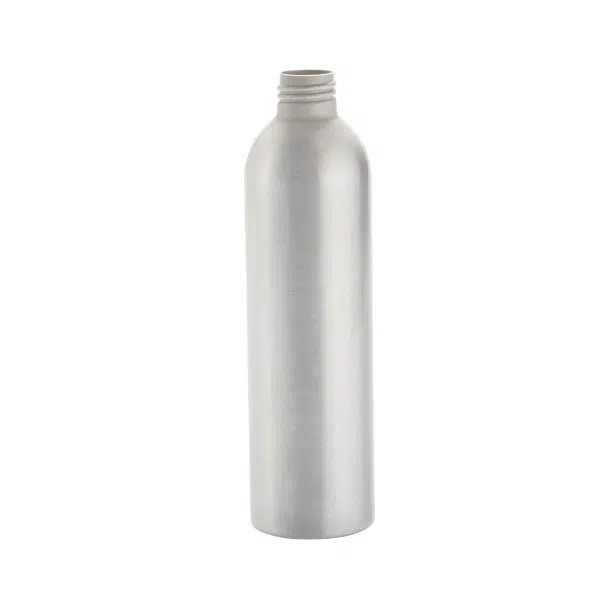
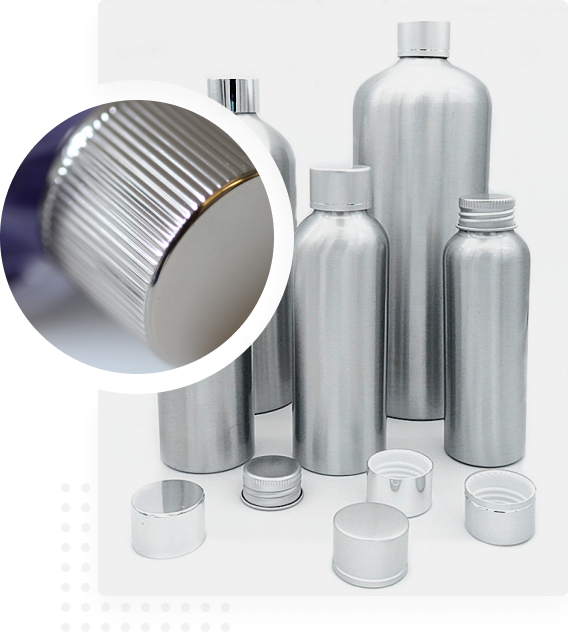
When Aluminum Bottles Are the Right Choice
Before we dive into how to choose the right recyclable aluminum bottle supplier or manufacturer, let's get clear on what makes aluminum bottles distinctive.
Recyclable aluminum bottles use the same infinitely recyclable metal as beverage cans but offer rigid, cylindrical or tapered forms with threaded closures that work for water, RTDs, beers, spirits, and premium personal care products. The key advantage: aluminum can be remelted and reused indefinitely without metallurgical degradation, saving 95% of energy versus virgin aluminum production from bauxite ore.
Standard metals recycling accepts aluminum bottles alongside cans in curbside programs (95%+ acceptance). No special collection infrastructure needed. Eddy current separators at recycling facilities identify and sort aluminum automatically, bottles go to metal reprocessing, and scrap enters the same high-value commodity markets as cans.
Interior coatings clarification: like cans, aluminum bottles contain very thin polymer coatings (well under 1% of total weight) to prevent reaction between aluminum and acidic beverages or personal care ingredients. These coatings burn off during high-temperature remelting without affecting metal recovery or purity. This is standard food-contact packaging design, not a recyclability barrier.
Weight and cost trade-offs distinguish bottles from other packaging. Aluminum bottles weigh 200 to 350g versus 12 to 35g for PET plastic or 13 to 15g for aluminum cans, creating transport emissions that offset recycling energy savings to varying degrees. Unit costs run 3 to 5x plastic bottles, positioning aluminum for premium products where distinctive aesthetics and sustainability credibility justify premiums.
Innovation focus includes custom geometries and direct printing for branding without plastic labels, lightweighting and high recycled content to reduce embodied impact, and expansion from water into ready-to-drink beverages, beers, spirits, and premium foods. Some suppliers offer bottles made from 100% recycled aluminum, demonstrating fully circular potential.
How to Choose an Aluminum Bottle Supplier
Aluminum bottles deliver infinite recyclability and premium positioning but cost 3 to 5x plastic with significant weight penalties. High recycled content (70 to 90%) is available. Standard metals recycling works (no special infrastructure needed). Reusable designs extend value before recycling. Choose aluminum when premium brand positioning, sustainability leadership, and distinctive aesthetics justify cost and weight trade-offs versus lighter, cheaper alternatives.
When evaluating suppliers, think about the 5 P's:
Price: Can you justify 3 to 5x cost premium versus plastic for premium positioning and sustainability messaging?
Performance: Will aluminum meet your product requirements (barrier, compatibility, durability, consumer experience)?
Preference: Does infinite recyclability, high recycled content, and premium aesthetics align with brand values?
Proof: Can they document post-consumer recycled content percentages and closed-loop aluminum sourcing?
Partner: Will they support custom geometries, lightweighting, and help quantify environmental trade-offs (recycling benefits vs transport weight)?
Here's what matters most.
Understand Premium Positioning Versus Cost Reality (3-5x Plastic, But Premium Products Absorb This)
Aluminum bottles cost 3 to 5x more than comparable plastic bottles due to raw material costs (aluminum is premium commodity versus plastic resin), manufacturing complexity (impact extrusion or deep drawing versus blow molding), and lower production volumes (specialized versus commodity scale). This premium works when packaging cost represents small portion of total retail price and sustainability or distinctive aesthetics drive purchase decisions.
Premium categories that justify aluminum include craft beverages and energy drinks (distinctive packaging differentiates crowded shelves), premium water brands emphasizing sustainability and quality (aluminum communicates both), spirits and wine (gift-worthy presentation and shelf impact), and personal care products targeting eco-conscious consumers (shampoo, lotions, cosmetics in refillable or recyclable formats).
Custom geometry and direct printing options support premium positioning. Shaped bottles (tapered, contoured, custom heights), direct-print branding (no plastic labels needed), and specialized finishes (matte, gloss, anodized) create distinctive shelf presence while maintaining recyclability. These customizations add cost but strengthen premium perception.
Weight creates real transport emissions. Aluminum bottles at 200 to 350g weigh roughly 10 to 20x more than PET equivalents at 12 to 35g. This means higher fuel consumption during distribution, increased shipping costs (weight-based pricing), and carbon emissions that partially offset recycling energy savings depending on distance shipped and transport mode.
The honest calculation: for regional distribution (local/state), aluminum's 95% recycling energy savings dominate. For long-distance shipping (transcontinental, international air freight), transport emissions can equal or exceed recycling benefits. Life cycle analysis should reflect your actual distribution patterns, not generic assumptions.
Ask packaging manufacturers: "What customization options do you offer for premium positioning, and can you provide life cycle analysis comparing recycling benefits to transport emissions for our specific distribution routes?"
Maximize Post-Consumer Recycled Content (70-90% Available, Often Cost-Competitive)
Aluminum bottle suppliers can incorporate 70 to 90% post-consumer recycled content, matching or exceeding aluminum can performance. This far surpasses plastic bottles where 25 to 50% PCR is considered high achievement. Every percentage point of recycled aluminum displaces virgin production with its associated bauxite mining, smelting energy, and carbon emissions.
Recycled content economics favor aluminum. Unlike plastic where PCR often costs more than virgin resin, aluminum recycled content typically costs equal to or less than virgin due to 95% energy savings in reprocessing. This creates natural market incentive for circularity beyond regulatory pressure.
Verification and transparency matter for credible sustainability claims. Third-party certification documents actual PCR percentages (not aspirational targets), scrap sourcing shows whether content comes from beverage packaging (preferred closed-loop) or mixed aluminum sources (automotive, construction), and batch-specific reporting provides traceability for carbon accounting and sustainability reporting.
Innovation example: some suppliers produce aluminum bottles from 100% recycled aluminum, demonstrating fully circular potential. These bottles have won packaging awards for sustainability leadership and prove that technical barriers to circularity are solved (execution is about scrap supply and manufacturer commitment).
The circular advantage: bottles with 90% PCR content in markets with 70% collection rates create meaningful closed-loop flows. Aluminum sourced from recycled bottles returns to new bottles with minimal virgin input, approaching true circularity that most packaging materials cannot achieve at scale.
Ask companies: "What post-consumer recycled content percentage do you offer, and can you verify whether scrap comes from beverage packaging or mixed aluminum sources?"
Leverage Existing Metals Recycling Infrastructure (Works Like Cans, 95%+ Programs Accept)
Aluminum bottles recycle through the same infrastructure as aluminum cans. Standard curbside programs that accept aluminum cans also accept aluminum bottles (95%+ program acceptance). No consumer education needed about special pathways, no infrastructure gaps requiring drop-off programs, no regional variation in acceptance.
Sorting happens automatically. Eddy current separators at recycling facilities identify aluminum and separate from other materials, bottles enter metal reprocessing alongside cans and other aluminum packaging, and scrap goes to the same high-value commodity markets. This mature, operating infrastructure means aluminum bottles benefit from decades of investment in can recycling systems.
Recovery rates vary by market policy, not material acceptance. U.S. aluminum packaging achieves 40 to 50% recovery in states without deposit systems, 70 to 85%+ in deposit return states, and global averages reach 75%+ in regions with strong collection infrastructure. These rates apply equally to bottles and cans since recycling systems treat them identically.
Consumer preparation is minimal. Empty bottles completely, rinse to remove residue (optional but improves scrap quality), recycle caps separately if different material (plastic caps to plastics stream, aluminum caps with bottles), and place in metals recycling. Interior coatings and labels burn off during remelting so removal isn't required.
The commodity value advantage: aluminum commands premium scrap pricing versus glass or plastic, creating economic incentive for collection even without policy mandates, supporting deposit return system economics where they exist, and making aluminum viable to recover in diverse market conditions.
Ask converters: "Do aluminum bottles qualify for deposit return programs in applicable markets, and what consumer education materials clarify that bottles recycle with cans?"
Consider Reusable Designs or Lightweighting (Multiply Sustainability Before Recycling)
Aluminum's durability enables two sustainability multipliers beyond just recyclability: reusable designs and lightweighting. Both amplify environmental benefits before bottles ever reach recycling.
Reusable aluminum bottles designed for 50 to 100+ uses amortize production impacts across many cycles, reducing per-use material, energy, and emissions dramatically. Design requirements include structural reinforcement for repeated handling, closures for many open/close cycles (not single-use tamper-evident), surface treatments resistant to washing and wear, and branding that survives cleaning (etching, embossing versus labels).
Implementation challenges include reverse logistics to collect used bottles, washing and sanitization meeting food safety standards, consumer behavior change (return versus discard), and tracking systems to manage inventory. Success factors: premium positioning justifying upfront costs, engaged customer base (offices, gyms, subscriptions), and controlled distribution (not broad retail where bottles disappear).
Lightweighting reduces weight by 15 to 25% through structural optimization while maintaining strength, cutting material costs (less aluminum needed), reducing transport emissions (lighter shipping), and improving sustainability metrics without requiring consumer behavior change. This works for both single-use and reusable applications.
The hybrid approach: many brands start single-use recyclable to establish market presence and sustainability positioning, then introduce reusable options for specific channels (subscription refills, workplace programs, in-store fountain fills) while maintaining single-use for retail where reusable logistics don't work.
Innovation in both directions: some suppliers focus on lightweighting single-use bottles for maximum accessibility, while others develop durable reusable designs for closed-loop systems. Choose based on your distribution model and customer engagement levels.
Ask packaging partners: "What lightweighting options reduce weight and cost, and do you offer reusable designs with documented use cycle counts for closed-loop applications?"
