


Featured Solutions and Suppliers
Interested in a solution? Click "View Supplier" to learn more about the supplier.







Sustainable Packaging Options for Ecommerce Brands
Ecommerce packaging includes multiple components each offering opportunities for sustainable alternatives balancing material reduction with shipping protection requirements.
Corrugated cardboard shipping boxes remain the most widely used ecommerce packaging offering 95%+ curbside recycling acceptance, 70-100% recycled fiber content availability, strong structural performance for shipping, and readily available supply chains. Many brands improve sustainability using high recycled-content boxes (50-100% recycled fiber), right-sized packaging reducing excess material and void fill requirements, or frustration-free packaging allowing products to ship in original packaging without additional outer boxes. Corrugated delivers ~90% U.S. recovery rate (highest of any packaging material) and works with existing recycling infrastructure.
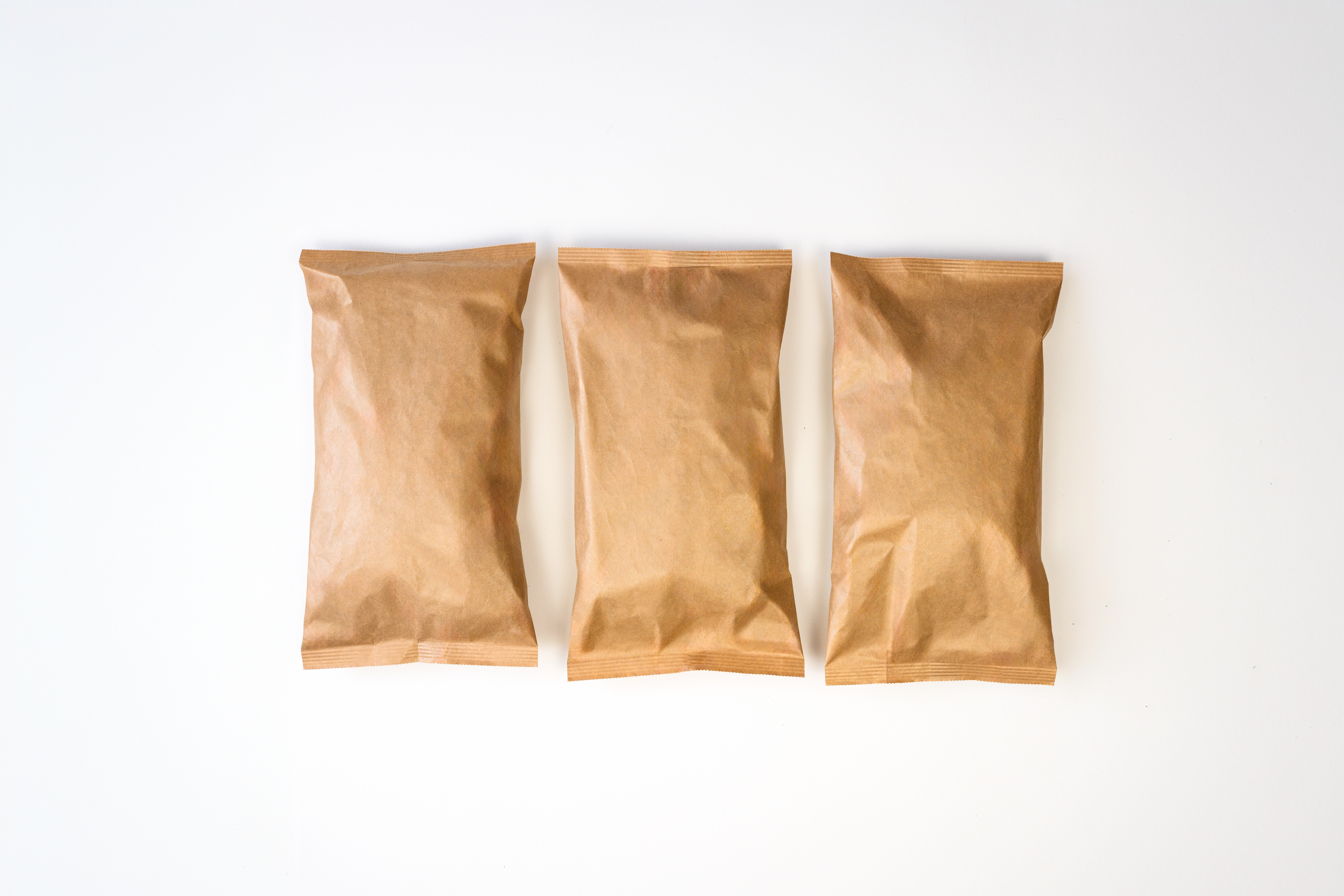
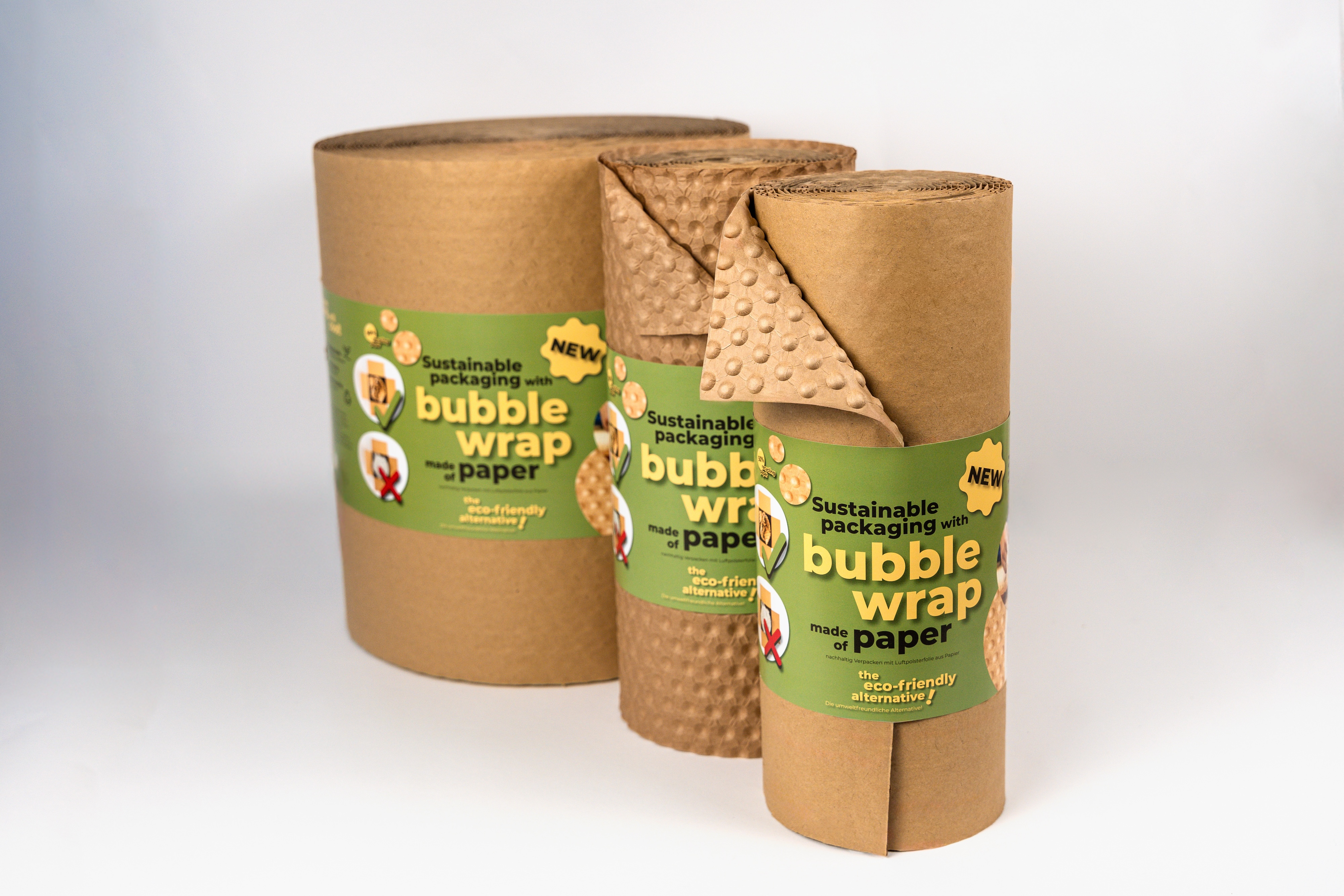
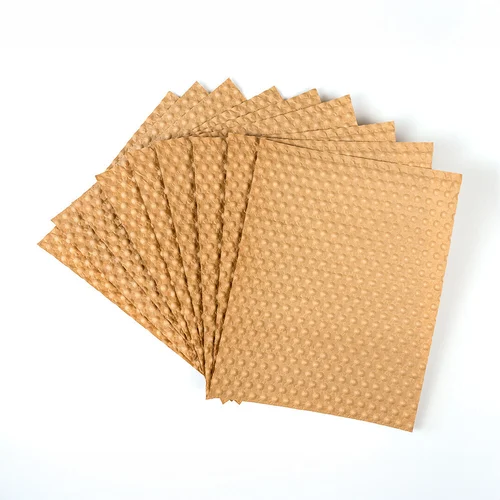
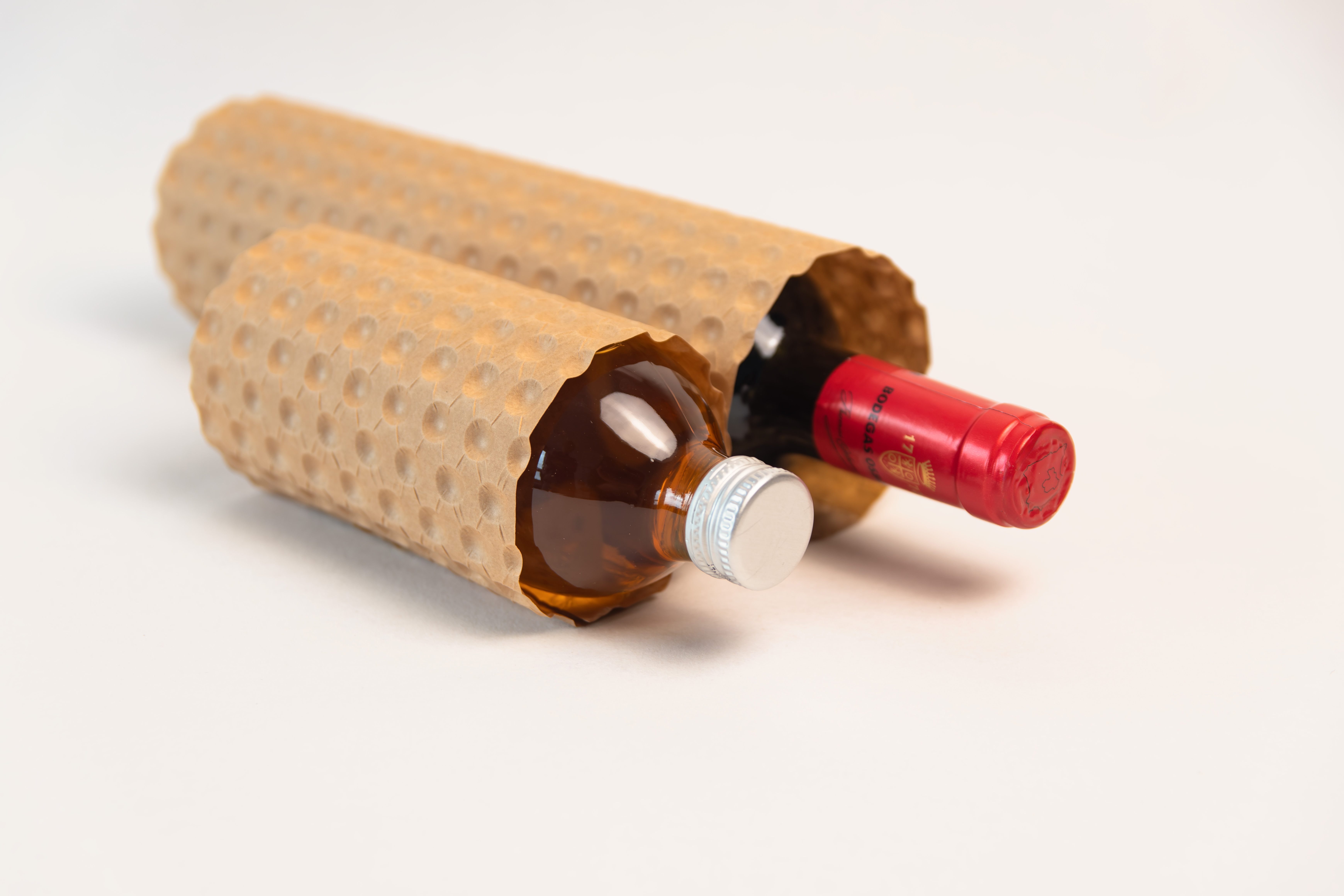
Paper-based cushioning and molded fiber replace plastic bubble wrap and foam inserts. Recycled paper padding, molded pulp inserts, kraft paper void fill, and paper-based cushioning systems are typically recyclable in curbside paper recycling and derived from renewable fiber sources. Molded fiber (molded pulp) made from recycled paper fibers forms into protective shapes for electronics, cosmetics, small appliances, and glass containers replacing plastic trays or foam while remaining recyclable. Paper cushioning requires proper engineering to match protection levels of plastic air pillows but works effectively for many products.
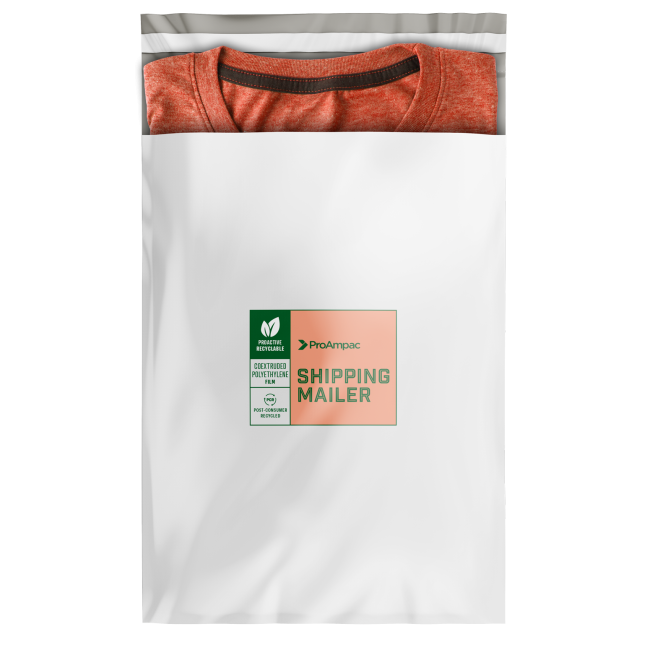
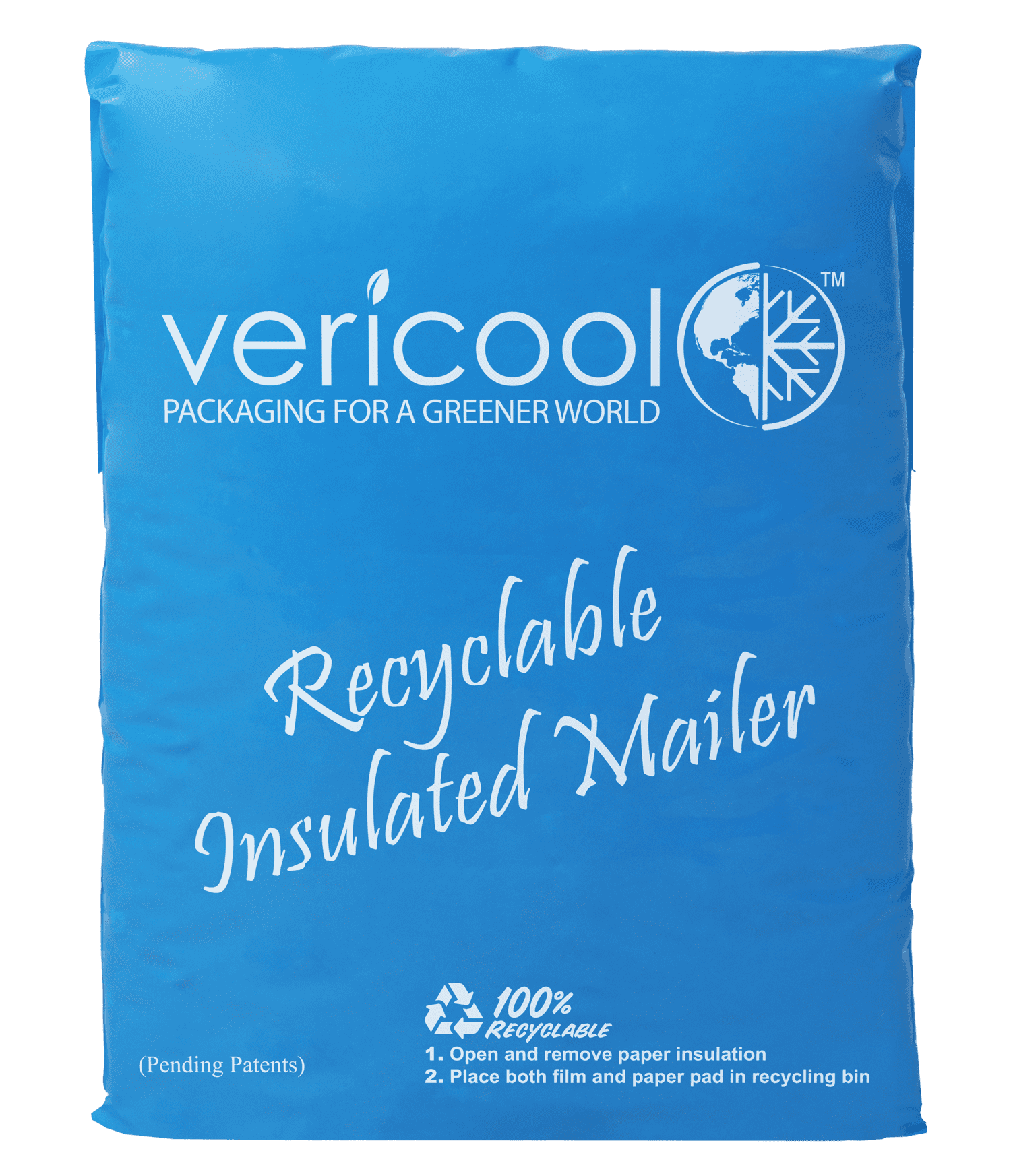
Recyclable poly mailers for soft goods (clothing, textiles) significantly reduce material versus shipping boxes through lightweight designs lowering shipping weight and transportation emissions. Sustainable improvements include mailers made from recycled polyethylene (25-100% PCR), mono-material recyclable plastic structures, and designs for store drop-off recycling programs. These work best for non-fragile products where rigid box protection isn't required.
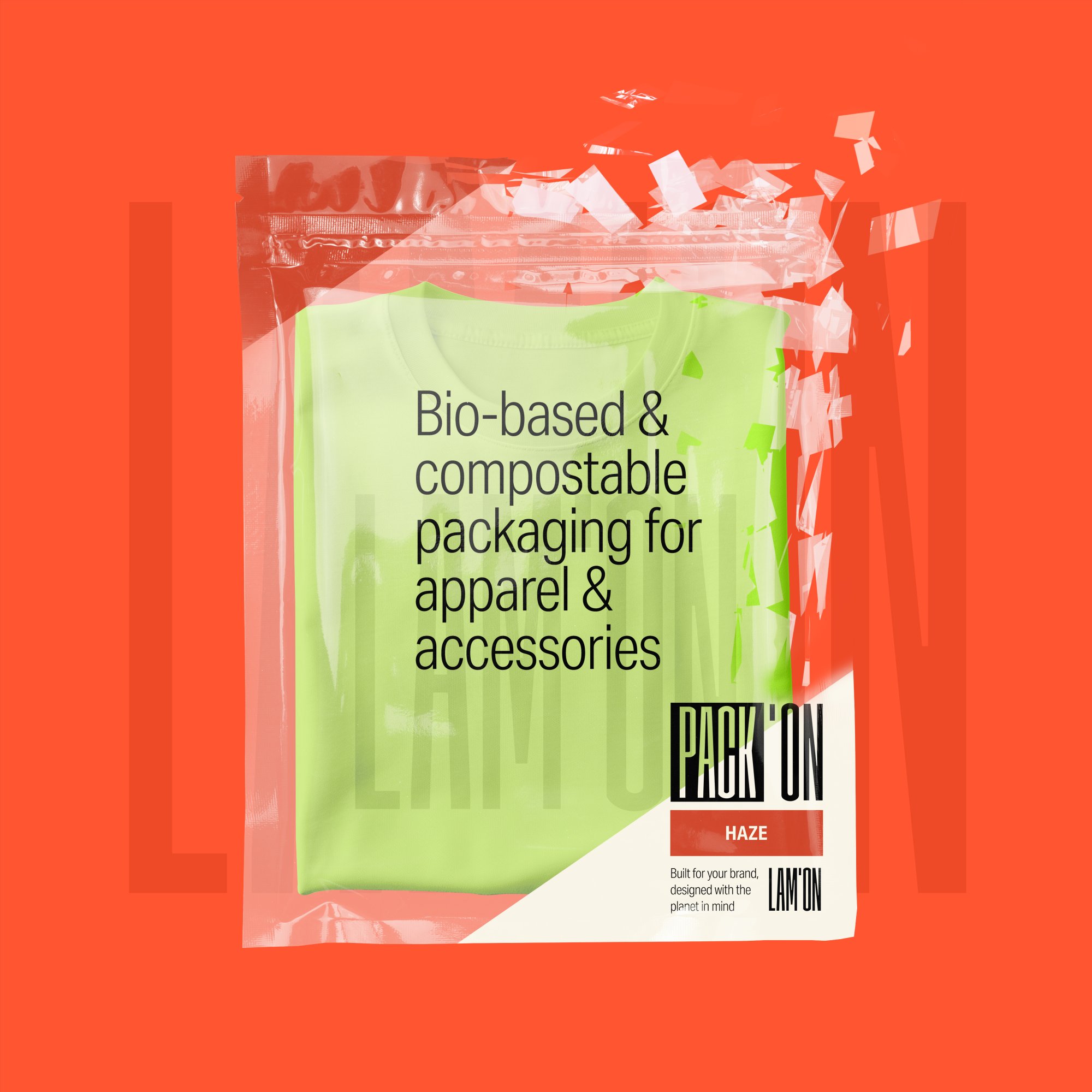
Compostable and paper mailers offer alternatives to plastic envelopes. Compostable mailers use PLA-based bioplastics, PBAT compostable polymers, or starch-based films requiring industrial composting facilities for disposal with roughly 20% U.S. population access. Paper mailers from kraft paper, recycled fiber, or reinforced paper structures are recyclable in curbside systems and increasingly used for apparel shipments. Paper mailers provide strong sustainability messaging though may offer less moisture protection than plastic during shipping.
Shipping Protection vs Sustainability Tradeoffs
Balancing sustainability goals with product protection determines real environmental outcomes because packaging failures increase returns, replacements, and total shipping volume.
Product protection requirements must meet real shipping stresses. Ecommerce packages experience drops and impacts, compression from stacked packages, vibration during transportation, and temperature fluctuations. Packaging failing to protect products creates damaged goods, customer returns, and replacement shipments often increasing overall environmental footprint beyond original packaging impact. ISTA shipping tests (ISTA 3A for parcel delivery) evaluate packaging performance under real-world conditions validating protection adequacy.
Right-sizing packaging delivers one of most effective sustainability improvements. Oversized boxes increase material usage, shipping weight, void fill requirements, and transportation emissions while providing no additional protection benefit. Right-sized packaging minimizes empty space while maintaining adequate product protection. Many companies use automated packaging systems matching box sizes to product dimensions, reducing material by 20-40% versus standard box sizes while maintaining protection levels.
Material weight versus protection trade-offs require careful evaluation. Lightweight materials reduce shipping emissions but may provide less protection—thin mailers reduce weight but increase damage risk for fragile products, while paper cushioning may require more material volume than plastic air pillows achieving equivalent protection. Brands must balance material reduction against product protection preventing damage-related environmental impacts from returns and replacements.
Packaging reusability represents emerging alternative through returnable systems. Reusable shipping totes, returnable packaging programs, and durable mailer systems allow packages to be returned, cleaned, and reused multiple times reducing per-shipment material impact. However, these require reverse logistics systems that can be operationally complex and may increase transportation emissions through return shipping unless carefully designed.
How to Choose Ecommerce Packaging Suppliers
Selecting suppliers requires evaluating performance validation, sustainability transparency, and operational capabilities because ecommerce packaging must protect products reliably while improving environmental outcomes.
Request packaging performance testing documentation through recognized shipping standards. ISTA 3A testing for parcel delivery, drop and vibration testing, and compression testing help ensure packaging protects products during real-world shipping conditions. Suppliers should provide test reports validating designs withstand expected shipping stresses without product damage. Performance testing prevents costly damage rates and return shipments undermining sustainability improvements.
Verify sustainable material transparency through documented claims not vague marketing. Request specific information about recycled content percentages (50%, 80%, 100% recycled fiber), recyclability of complete packaging system (box, cushioning, tape, labels), compostability certifications (ASTM D6400, EN 13432, BPI), and source of raw materials. Avoid suppliers using claims like "eco-friendly" or "green packaging" without supporting data or third-party verification.
Assess custom packaging design capabilities optimizing material use while maintaining protection. Experienced suppliers help brands implement right-sizing strategies, protective packaging design, and material selection guidance reducing material use without compromising protection. Custom packaging design can reduce material by 20-40% versus standard solutions while maintaining or improving protection levels through engineered structures.
Evaluate supply chain reliability and automation compatibility. Packaging availability and lead times are critical for ecommerce operations. Consider manufacturing location (domestic/regional often offers greater stability), lead times affecting inventory planning, minimum order quantities impacting cash flow, and inventory programs supporting variable demand. Large operations may require automated packaging equipment compatibility including automated box-making systems, void-fill dispensing equipment, and packaging automation lines. Supplier confirmation of automation compatibility improves operational efficiency significantly.