

Featured Solutions and Suppliers
Interested in a solution? Click "View Supplier" to learn more about the supplier.







.png)


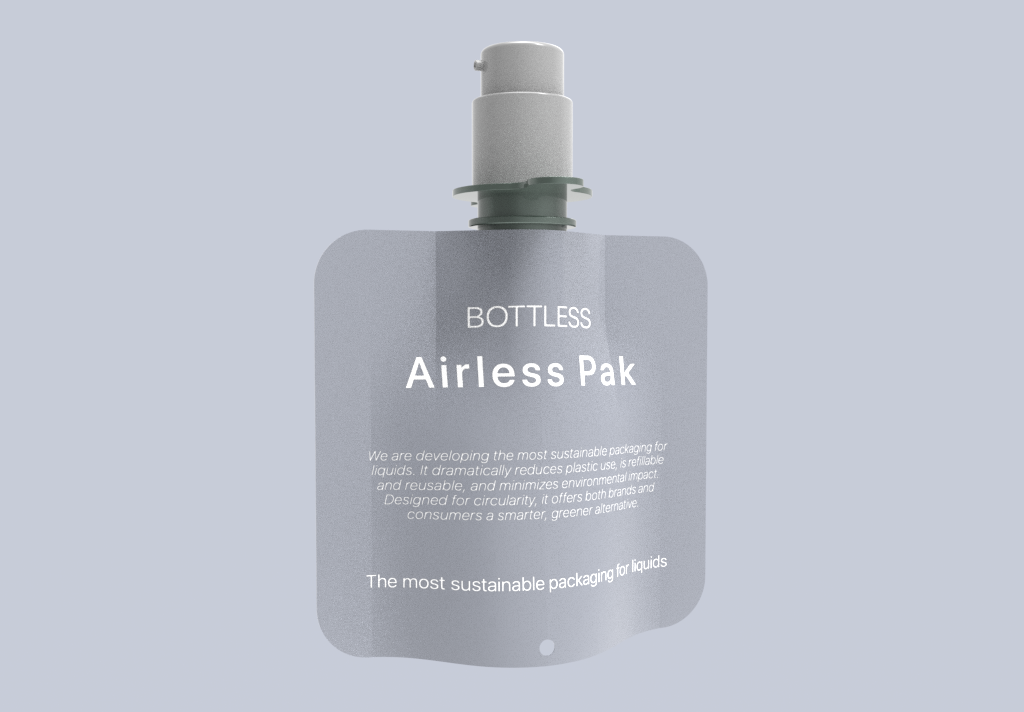
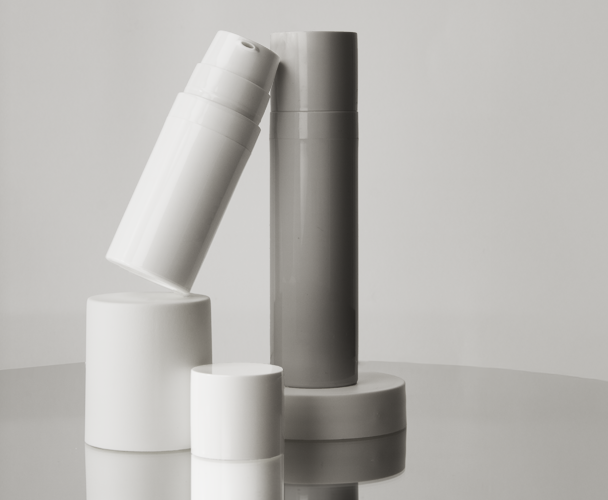


Recyclable Materials and Refillable Systems
Sustainable cosmetic packaging uses recyclable materials with simplified designs enabling recovery, or refillable systems reducing single-use waste through reusable containers with replacement refills.
Glass containers are widely recyclable and commonly used for serums, facial oils, perfumes, luxury creams, and foundation bottles where premium positioning justifies weight and cost. Glass provides infinite recyclability without quality loss (can recycle repeatedly into new bottles), complete barrier protection against oxygen and light preventing product degradation, premium aesthetic supporting luxury brand positioning, and compatibility with most cosmetic formulations (inert material doesn't react with ingredients). Glass recycling achieves 70-80% recovery in strong markets with 50-90% post-consumer recycled content (cullet) commonly available. However, glass weighs significantly more than plastic (100-300g versus 10-50g for equivalent plastic bottles) increasing shipping emissions and breakage risks, costs 2-5x more than plastic alternatives affecting price positioning, and breaks during shipping or use creating safety and operational challenges. Glass works best for premium products, refillable system outer containers (durable component reused multiple times), or brands where luxury aesthetic outweighs weight and cost considerations.
Aluminum packaging includes tubes (lotions, creams, sunscreens), bottles, tins, and compacts providing metal alternative to plastic with superior recycling performance. Aluminum offers high recycling value maintaining material worth in recycling systems (worth $1,000+ per ton versus $200-400 for PET), ability to recycle infinitely without quality loss where 75% of all aluminum ever produced is still in use, excellent barrier protection against light and oxygen, and 52% U.S. recycling rate (70-85%+ in deposit states) significantly higher than plastics. Aluminum tubes particularly suit cosmetic applications requiring excellent barriers (sunscreens, retinol products, vitamin C formulations) or premium metal aesthetic. However, aluminum typically costs 2-4x more than plastic, weighs more than plastic (though less than glass), and requires internal coatings (epoxy, lacquer) preventing metal interaction with acidic or reactive formulations.
Mono-material plastic packaging uses PET, HDPE, or PP structures where bottles, closures, and components belong to same plastic family simplifying recycling versus mixed-material assemblies. PET bottles work for serums, toners, and liquid products with 95%+ curbside acceptance and 29% U.S. recycling rate (85%+ in deposit states). HDPE suits thicker creams, lotions, and opaque bottles with similar acceptance. Design-for-recycling principles include matching closure material to bottle (HDPE cap on HDPE bottle), using compatible labels (PE-based labels on PE bottles, wash-off adhesives), avoiding decorative elements that contaminate recycling (metallic coatings, mixed-material components), and preferring clear or natural colors over dark pigments (carbon black invisible to optical sorters). The critical insight: same plastic resin can be recyclable or non-recyclable depending on design details where a PET bottle with incompatible label or dark color may fail sorting despite base material recyclability.
Refillable packaging systems reduce single-use waste through durable outer containers (glass jar, metal compact, high-quality plastic bottle) combined with replacement refill cartridges, pouches, or inserts enabling multiple use cycles. Common refillable formats include serum bottles with replacement glass inserts or pouches, cream jars with refill pots or pouches, foundation compacts with replacement pans, lipstick cases with replacement bullets, and deodorant containers with replacement sticks. Environmental benefits depend on consumer behavior where refillable packaging reduces material consumption 50-80% per use cycle after initial purchase, but only if consumers actually purchase refills rather than abandoning system after first use. Lifecycle assessments show refillable systems require 3-5 refill cycles to break even environmentally versus optimized single-use recyclable packaging. Consumer participation rates vary dramatically where subscription models achieve 40-60% refill rates, retail refill programs achieve 10-30% rates, and standalone refillable products without engagement programs often see under 20% refill purchases. Durable containers must withstand repeated opening/closing (500-1000+ cycles for jars, 3000-5000+ pumps for dispensers), resist cosmetic formulation interaction over extended use, and maintain aesthetic appeal after months of use.
Recycled and Bio-Based Materials
Incorporating post-consumer recycled content or renewable bio-based materials reduces virgin resource demand while maintaining cosmetic packaging functionality and aesthetics.
Post-consumer recycled (PCR) plastics use recycled PET, HDPE, or PP in cosmetic bottles, jars, and tubes with 25-100% recycled content available depending on performance requirements and aesthetic tolerance. PCR materials reduce greenhouse gas emissions 30-70% versus virgin plastic production, support circular economy by creating demand for recycled materials, and increasingly achieve quality matching virgin plastics through advanced recycling technologies. However, PCR content affects material properties where color consistency varies (recycled plastic has slight yellow or gray tint versus virgin clear), mechanical properties may differ slightly (tensile strength, impact resistance), and availability fluctuates with recycling market conditions. Food-grade PCR (required for some cosmetic applications) costs more and has more limited availability than non-food-grade. Most cosmetic brands start with 25-50% PCR content balancing environmental benefits with aesthetic and cost considerations, then increase percentages as supply chains mature. PCR plastics typically cost 10-30% more than virgin alternatives.
Recycled glass and aluminum offer similar circular economy benefits. Recycled glass (cullet) uses 50-90% recycled content commonly with minimal quality trade-offs, reducing melting energy 20-30% versus virgin glass. Recycled aluminum uses 70-90% recycled content typical, reducing production energy 95% versus virgin aluminum. Both materials achieve quality matching virgin materials making them preferred recycled content options versus PCR plastics where quality concerns sometimes limit adoption.
Bio-based plastics derived from renewable plant sources (sugarcane, corn, cassava) include bio-based PE (chemically identical to conventional PE but from plant ethanol instead of petroleum), bio-based PET (partially or fully bio-based), and PLA bioplastics (compostable in industrial systems). Bio-based materials reduce fossil fuel dependence, can achieve lower carbon footprint than petroleum-based plastics (depending on agricultural practices and lifecycle scope), and offer marketing value around renewable sourcing. However, bio-based doesn't automatically mean biodegradable or compostable (bio-PE behaves identically to conventional PE in recycling and disposal), material costs typically 20-50% higher than conventional plastics, and availability is more limited than conventional options. Bio-based materials suit brands prioritizing renewable sourcing over recyclability or brands able to absorb cost premiums for sustainability positioning.
Fiber-based packaging uses molded pulp, paperboard, or bamboo fiber for cosmetic containers, caps, or outer packaging reducing plastic content. Molded fiber works for jar caps, cosmetic trays, or protective outer packaging with 70-90% recycled paper content typical. However, fiber materials generally unsuitable for direct cosmetic contact due to moisture sensitivity, lack of barrier protection (cosmetics need oxygen and moisture barriers), and potential fiber contamination of products. Fiber packaging works best for secondary packaging (outer boxes, protective inserts) or non-product-contact components (caps over sealed bottles) rather than primary containers holding formulations.
How to Choose Sustainable Cosmetic Packaging Suppliers
Recycled and Bio-Based MaterialsWith all these sustainable options, which one should you actually choose? Every packaging salesperson you speak with will tell you why you should buy their product, so you need some intel before those conversations to make sure you're making the right decision based on your situation.
When evaluating suppliers, think about the 5 P's:
Price: Can you afford MOQs fragmented across shades and seasonal launches, plus tooling for custom mechanisms?
Performance: Will it protect chemically sensitive actives from oxygen, light, and contamination over shelf life?
Preference: Does your sustainability approach (recyclability, PCR content, refills, material reduction) align with your brand positioning and retail realities?
Proof: Do they have formula compatibility data, migration testing, and regional recyclability documentation?
Partner: Will they co-engineer across formula, packaging design, and sustainability rather than just sell components?
Here's how to evaluate each for cosmetic packaging.
Understand Formula Compatibility First (Not Just Material Properties)
Unlike a simple food box or shipping mailer, cosmetic packaging is part container, part dosing device, and part branding surface. Each of those roles introduces sustainability friction. Cosmetic formulas (especially sunscreens, retinoids, vitamin C serums, and natural or "clean" emulsions) are chemically sensitive to light, oxygen, and trace contaminants, and they often sit on skin for hours. This drives much tighter requirements on barrier properties, extractables and leachables, and preservative performance than, for example, a dry-food pouch.
The same headline materials (glass, aluminum, paper, bioplastics, PCR plastics) show up across sustainable packaging, but their trade-offs look different when used for cosmetics. Glass is inert and excellent for many oils, anhydrous balms, and serums, but pumps and droppers complicate recyclability because they usually contain mixed plastics, metal springs, and elastomer gaskets. PCR resins can be more variable in color and mechanical properties, which clashes with beauty's demand for tight color matching and translucent or crystal-clear effects. Some bioplastics have lower heat or chemical resistance, which is problematic for oily, solvent-containing, or active-rich formulas that might sit in hot bathrooms or in transit.
Many creams, oils, and serums cannot be housed directly in fiber or paper without robust barriers (liners or coatings), which can be hard to recycle or may not be accepted as paper. Metals like aluminum give a premium feel but often hide mixed-material cores (heavy metallic caps, thick aluminum jars with plastic inserts), limiting recyclability.
Ask suppliers: "Can you provide formula compatibility data for products similar to mine (oil content, pH, active ingredients, solvent levels)?" "Do you have migration testing for PCR materials with cosmetic formulas?" and "What barrier system works for my formula without compromising recyclability?" You cannot blindly transpose "sustainable packaging" principles from food or e-commerce. You must stress-test every eco idea against formula compatibility, safety, and brand experience.
Navigate Complex Mechanisms and Assemblies (Beauty Packaging Is Active)
Cosmetic packaging is often "active" rather than passive. Pumps, airless bottles, droppers, twist-up sticks, compacts with mirrors, and multi-layer tubes all mix several polymers, elastomers, metals, and adhesives. This complexity is a major obstacle to recyclability and to using mono-material "eco" designs that are easier in other categories.
Device and mechanism engineering matters as much as material choice. PCR quality and color variability affect mechanical performance for devices. Pumps, sprayers, twist mechanisms, and closures require high dimensional stability. Some PCR batches may warp, wear, or stress-crack faster, which can fail leak tests or user performance. Consumers rarely disassemble pumps, droppers, or compacts for recycling, so the whole unit may be discarded or downcycled.
Hygiene and contamination risk complicate sustainability interventions. Jars, mascara wands, multi-use palettes, and cushion compacts are especially vulnerable to microbial contamination. Lightweight or refillable solutions must still ensure hygienic application, protect actives, and pass challenge testing. This is much less of a consideration in non-ingestible dry-goods packaging.
Ask suppliers: "What PCR percentages are realistically achievable for this pump or mechanism without compromising performance?" "Can you provide mono-material or easily disassembled pump systems?" "Are closures and droppers designed for take-back or component recycling?" and "Do you have mechanical performance testing data on PCR components?" Your supplier needs mechanical and device engineering capabilities, not just container fabrication. Compared to general packaging suppliers, cosmetic-focused sustainable suppliers should offer deep material and formula compatibility expertise plus device engineering.
Balance Aesthetic Expectations with Recyclability (Beauty Is a Fashion Object)
High aesthetic and sensorial expectations are unique to beauty. Beauty consumers and retailers expect very specific finishes, weights, and tactile cues (heavy glass, soft-touch coatings, metallic foils), many of which are difficult to reproduce with low-impact materials or may contaminate recycling streams. In cosmetics, the pack is a primary brand signal and shelf differentiator. Some levers that are easy in other industries (plain brown boxes, minimal decoration) are off limits or more constrained.
Common tensions: retailers often prefer larger, more visually impactful packaging for shelf presence. Sustainable options tend to push toward smaller footprints, fewer parts, and subtler decoration. Balancing retailer demands, shopper expectations, and sustainability is more delicate in beauty than in commodity categories. Beauty cartons are highly decorated with foils, metallic inks, laminates, and embossing. These features complicate recyclability and increase material use, yet retailers often expect them.
Refillable and reuse models complicate merchandising, stocking, and tester management in prestige channels. These are bigger operational lifts in beauty where tester management, shrink, and hygiene are already complex. Multiple shades, finishes, seasonal collections, and limited editions fragment volumes, making it harder to hit MOQs on new sustainable components and reducing leverage to invest in custom tooling or recycled-material development.
Ask suppliers: "Do you offer customizable but standardized platform components that can be reused across lines (same pump or bottle body for several SKUs)?" "Can you provide decoration options that minimize contamination (inks and coatings that don't block recyclability, avoiding full shrink sleeves where possible)?" and "Are there lightweight glass options that reduce carbon footprint while maintaining premium feel?" Look for partners who can help you challenge decorative norms. For example, can you eliminate outer cartons for some mass channels, or swap foils and metallization for high-impact printing and structural design?
Know the Real Costs (Fragmented SKUs Strain MOQs and Supply)
Sustainable cosmetic packaging costs more than conventional options, and the cost structure is complicated by beauty's business model. PCR content, biobased materials, and custom recycling-friendly mechanisms all add premiums. But the bigger issue is how beauty SKUs are structured.
Multiple shades, finishes, seasonal collections, and limited editions fragment volumes. This makes it harder to hit minimum order quantities on new sustainable components. Large converters may require 50,000 to 100,000+ units per SKU, which is challenging when you have 12 foundation shades, 8 lipstick colors, and seasonal launches. Smaller specialists might accept 5,000 to 10,000 units but at significantly higher per-unit costs.
Custom tooling for pumps, airless systems, and unique mechanisms can cost $20,000 to $100,000+ depending on complexity. When volumes are split across many SKUs, the tooling cost per unit becomes prohibitive. PCR resins can be more variable in color and mechanical properties, requiring more robust quality control and potentially higher scrap rates. Cosmetic brands must ensure that PCR sources are food or cosmetic-grade where relevant and validate that any contaminants do not migrate into product, which is more stringent than many other packaging applications.
Geographic footprint and logistics matter more in beauty. Components may be manufactured in one region, filled in another, and sold globally. The carbon and lead-time impact of those locations relative to your filling operations and key markets can offset material sustainability gains.
Ask suppliers: "How low can MOQs be for sustainable components, and what are the lead-time implications?" "Can you secure sufficient high-quality PCR or biobased feedstock as my volumes grow, and how will you manage quality variability?" "Are there existing component platforms I can adopt instead of commissioning bespoke parts?" and "Can you provide data on recyclability, recycled content, energy use, and emissions aligned with recognized standards?"
Avoid Greenwashing Traps (Regulatory Scrutiny Is Intense in Beauty)
The cosmetics sector has seen intense scrutiny of both product and packaging claims. The threshold for "sustainable" is rising, and missteps can be costly. Cosmetic packaging must align with cosmetic regulations (for safety and labeling) and with packaging and waste directives (recyclability and extended producer responsibility). These demands sometimes conflict. For instance, a high-barrier multi-layer container may be best for product safety but worst for recyclability.
"Recyclable," "biodegradable," "compostable," "plastic-free," and "ocean-bound" claims are increasingly sensitive. Many jurisdictions are introducing EPR fees or incentives based on packaging recyclability, composition, and recyclate content. Complex cosmetic packs with small formats and multi-material components often land in higher-fee categories. A pack that is widely recyclable in one market may be rejected or downcycled in another due to differences in sorting technology, material streams, and contamination rules.
Sustainability and disposal labels must coexist with ingredient lists, warnings, claims, and marketing copy in multiple languages. There is less open space on cosmetic packs than on a shipping box or grocery pack, making compliant and clear sustainability communication harder. Material trade-offs complicate claims. Shifting from plastic to heavier glass or metal may improve consumer perception while increasing transport-related emissions.
Many beauty packs require partial disassembly for proper recycling (removing a metal pan from a palette, taking a pump off a bottle). Consumers rarely do this, and instructions have to compete with claims and branding on limited space. Refill systems rely on consumer willingness to keep a base component and swap inserts, but cosmetics packaging is also a fashion object. Users may prefer to "refresh" the whole aesthetic with each purchase, limiting environmental benefit.
Ask suppliers: "Can you provide clear documentation, third-party certifications where applicable, and clarity about conditions (like 'recyclable where facilities exist')?" "What regional recyclability and EPR category documentation can you provide for each component?" and "Can you help design intuitive, tool-free disassembly and integrate minimal, clear disposal instructions?" Brand teams need legal and regulatory review of sustainability claims. Vet supplier marketing language as critically as your own.
