Plastic-Free Packaging: Options, Formats, and Suppliers

Last updated on:

April 21, 2026

Here is something most packaging suppliers will not tell you upfront: the term plastic-free is used inconsistently across the packaging industry. Some formats contain zero plastic. Others are commonly marketed as plastic-free but include thin barrier coatings or liners with small polymer content that make the product functional. Neither is dishonest by default, but the difference matters when you are making sustainability claims to customers. This page explains the full spectrum honestly, covers the formats that genuinely eliminate or significantly reduce plastic, and connects you to suppliers who can deliver.

Routing subtext

No items found.

Featured Solutions and Suppliers

Interested in a solution? Click "Contact Supplier" and get connected to the supplier. No obligation.

Plastic-Free Deodorant Tube by Unique Distinctions
Description:
Plastic-free paper tube for deodorants, balms and topicals.
Bamboo Cosmetics Jar with Aluminum by Gidea
Description:
Plastic-free, bamboo shell cosmetic jar with aluminum.
Plastic-Free Powder & Spice Shakers by GreenWay Containers
by
GreenWay Containers
This brand is a member of Packaged Sustainable and helped create the content of its page.
Plastic-Free Powder & Spice Shakers by GreenWay Containers
Verified Account
This supplier is a member of Packaged Sustainable and helped create the content of this page.
Description:
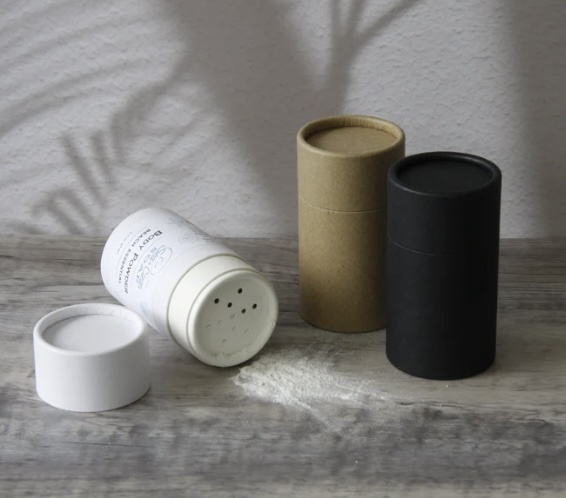
Kraft paper shaker tubes for spices and seasonings.
Glass Cosmetic Bottle by Miron Violetglass
Description:
Glass bottle for cosmetics and more.
Glass Apothecary Jar by Miron Violetglass
Description:
Glass apothecary jar.
Hexpand™ Packaging
Hexpand™ Packaging
Description:
Corrugated paper protective packaging solution.
Boston Round Bottle by CosmeticPack
Description:
Round bottle for tinctures, serums and more.
Block & Brace by Cruz Foam
by
Cruz Foam
This brand is a member of Packaged Sustainable and helped create the content of its page.
Block & Brace by Cruz Foam
Verified Account
This supplier is a member of Packaged Sustainable and helped create the content of this page.
Description:
Compostable and fully customizable protective packaging solution.
Refillable Glass Airless Pump by APC Packaging
by
APC Packaging
This brand is a member of Packaged Sustainable and helped create the content of its page.
Refillable Glass Airless Pump by APC Packaging
Verified Account
This supplier is a member of Packaged Sustainable and helped create the content of this page.
Description:
Refillable Glass Airless Pump
Glass Oil Bottles by Vidrala
Description:
Recyclable glass bottles for oils and other liquid products.
Tin Matcha Cans by MTPak
Description:
Resealable tin can for matcha, tea, coffee and more.
Aluminum Can from Crown Holdings
Description:
12oz aluminum can for beverages.
Aluminum Stick Packs by T.H.E.M.
Description:
Recyclable aluminum stick packs
Aluminum Stand Up Pouch by TedPack
Description:
Recyclable aluminum stand up pouch.
Aluminum Squeeze Tube by Pack Tubes
Description:
1oz metal squeeze tube for cosmetics, home and personal care and more.
Aluminum Threaded Bottle by Trivium
Description:
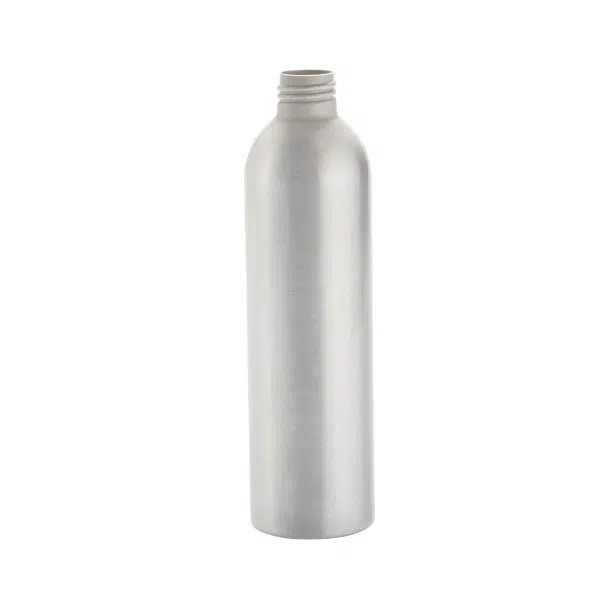
Sustainable threaded aluminum bottles for home & personal care products.
Aluminum Aerosol Can by Alltub Group
Description:
Recyclable aluminum aerosol cans.
Aluminum Bottles by Big Sky Packaging
Description:
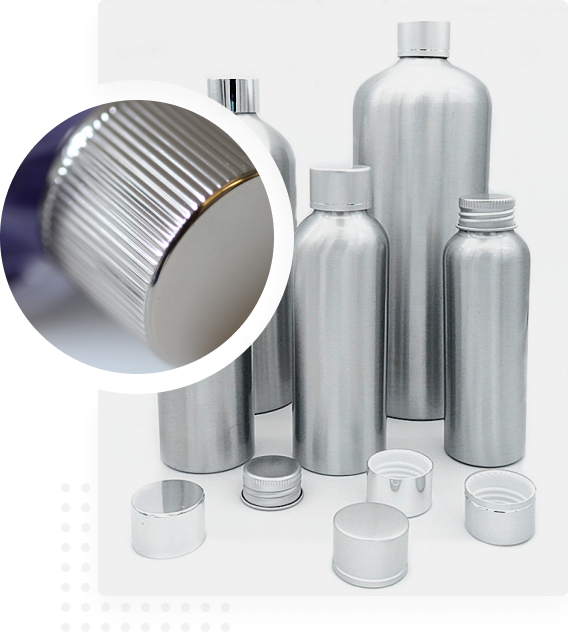
Recyclable aluminum bottles for a variety of applications.
Aluminum Aerosol Cans by CCL Container
Description:
Aluminum aerosol cans.
Aluminum Screw Top Bottle by MJS Packaging
Description:
Aluminum bottle for beverages or other consumer goods.
Aluminum Beverage Bottle by Ball Corporation
Description:
Aluminum screw top bottle for beverages.
Infinity™ Aluminum Bottles by Ball Corporation
Description:
Aluminum bottles for household & personal care.
Metal Tins by MJS Packaging
Description:
Metal tins for health and beauty.
Metal Squeeze Tubes by Alltub Group
Description:
Aluminum squeeze tubes
Metal Tin by Independent Can Company
Description:
Custom tins for salves, balms, cosmetics, candles, mints and more.
 Custom Metal Tins by Allstate Can Corporation
Custom Metal Tins by Allstate Can Corporation
Description:
Recyclable metal tins.
Tin Containers by E2 Global
Description:
Tin containers for cosmetics, home and personal care and more.
Cosmetic Tin by J.L. Clark
Description:
Metal tins for cosmetics, beauty and more.
Square Tins by Atlantic Can
Description:
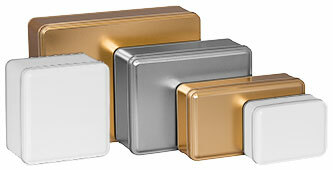
Square tins for a variety of products.
Custom Printed Tin Cans by Roastar
Description:
Recyclable Tin Cans
Recyclable Tin Containers by Roastar
Description:
Tin containers for coffee, tea and other products.
Custom Tin Container by GTS Packaging
Description:
Custom tin containers for a variety of industries.
Custom Seamless Tin by Independent Can Company
Description:
Seamless tins for a variety of applications.
Rectangle Hinged Tin Container by Atlantic Can
Description:
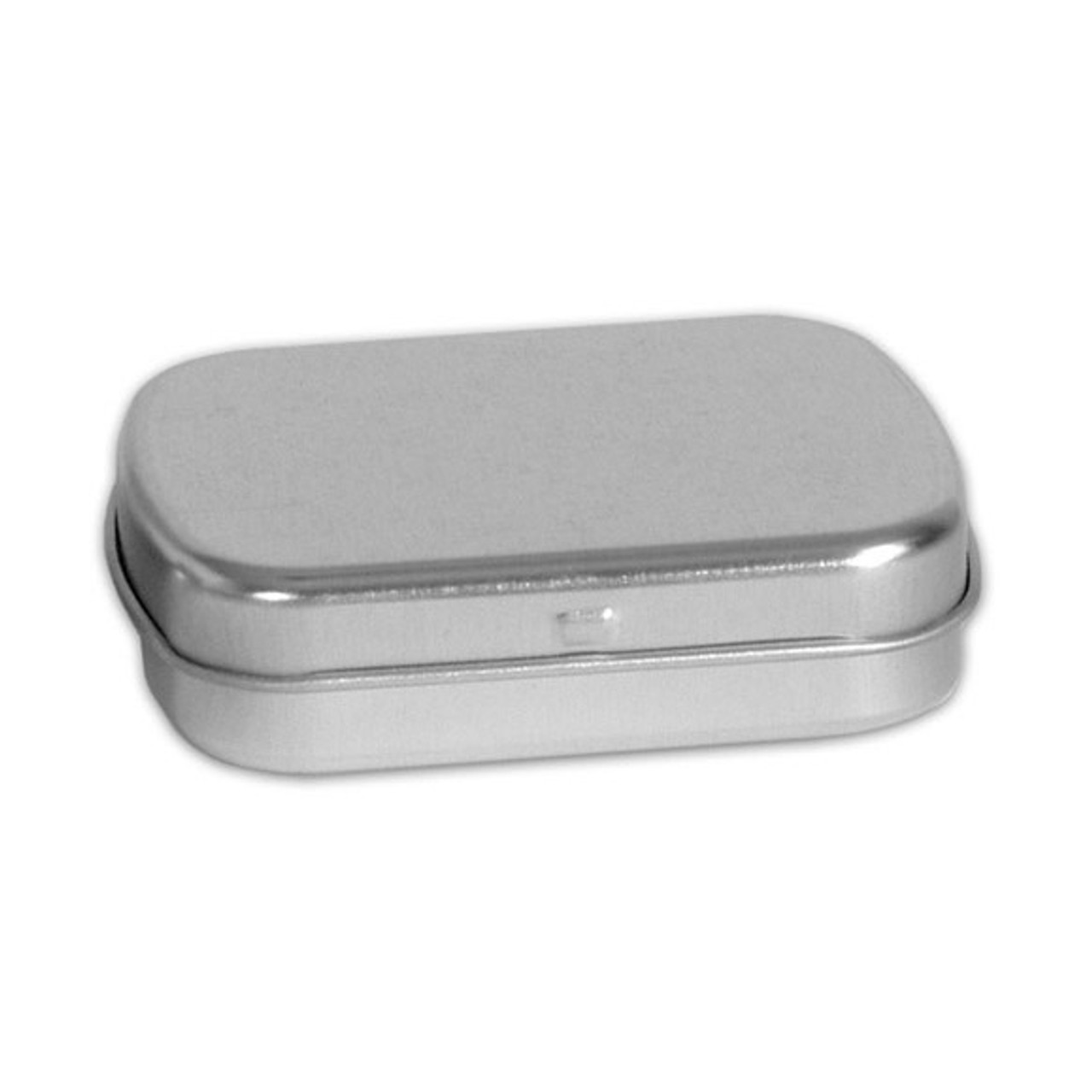
Tin con containers for mints, lozenges, small candies, and more.
Glass Bottle by Ardagh Group
Description:
Glass bottles for beer, wine, spirits, and other beverages.
Glass Liquor Bottle by O-I Glass
Description:
Custom glass bottles for spirits, liquor, alcohol and other beverages.
Short Glass Container by Richmond
Description:
Recyclable glass jar for cosmetics available with metal lids.
Glass Spirits Bottle by Fusion Glassworks
Description:
Recyclable glass bottles for spirits and beverages.
Glass Cosmetics Jar by HEINZ-GLAS
Description:
Recyclable glass jars for cosmetics and fragrances.
Multipack Cartons by Graphic Packaging
by
Graphic Packaging International
This brand is a member of Packaged Sustainable and helped create the content of its page.
Multipack Cartons by Graphic Packaging
Verified Account
This supplier is a member of Packaged Sustainable and helped create the content of this page.
Description:
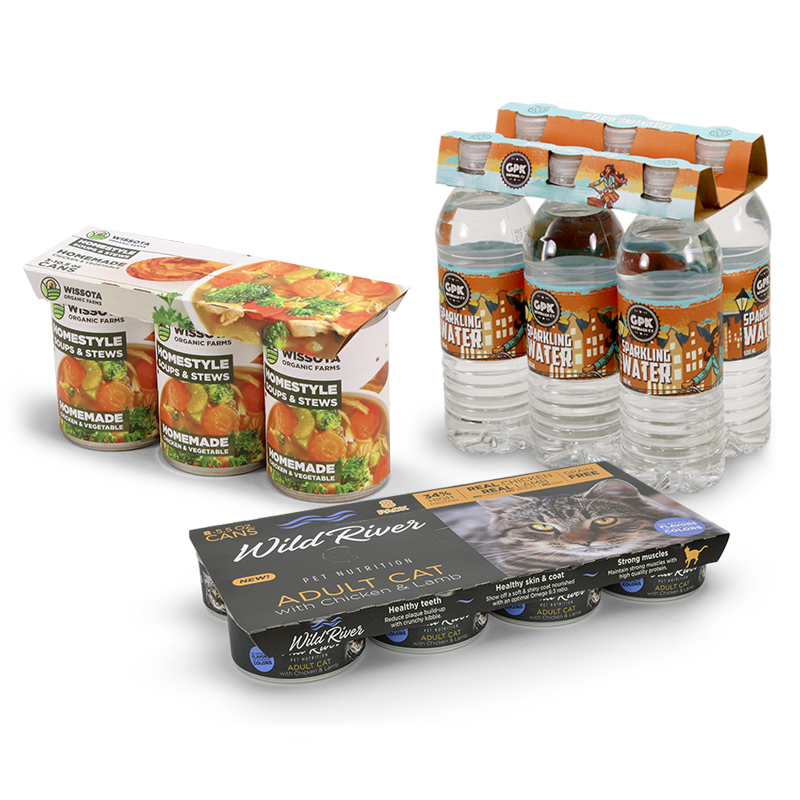
Multipack cartons for food, beverage, and consumer products.
Paper Tube by Custom Paper Tubes
Description:
Paper tube with paper cap.
Paperboard Retail Displays by Berkley
Description:
Retail stands for product display in-store.
Paperboard Tubes by Paper Tube Co
Description:
Custom paper tubes for a variety of industries.
Paper Pill Bottle by OtaraPack
Description:
Recyclable paper supplement bottle.
Paperboard Folding Carton by Belmark
Description:
Recyclable paperboard folding carton for a variety of industries.
Paper Tubes by GTS Packaging
Description:
Paper push tubes.
Paperboard Cartons by Mill Rock
Description:
Paperboard cartons for food, cosmetics or other products.
Paper-Based Carton by Pactiv Evergreen
by
Description:
Paper-based packaging for your fresh liquid beverages.
Paper Tubes by Jonesville Paper Tube Co
Description:
Recyclable paper tubes.
Recycled Kraft Paper Food Box by Green Paper Products
Description:
Take out containers for food to-go.

What Plastic-Free Actually Means: The Honest Breakdown

The packaging industry uses plastic-free to describe a spectrum of products, and understanding where a specific format sits on that spectrum is what determines whether a sustainability claim to your customer is accurate.

Truly plastic-free packaging contains no synthetic polymers anywhere in the primary container, closure, or coating. Glass bottles and jars with metal or cork closures are the clearest example: the container is glass, the lid is metal or cork, and there is no polymer content in the system. Aluminum and steel tins with metal lids follow the same logic. Uncoated molded fiber trays made from bagasse or recycled paper pulp without polymer coatings are another genuinely plastic-free format. These options exist and are commercially available today across food, personal care, and retail applications.

Near plastic-free packaging minimizes plastic to trace amounts, typically less than one percent of total package weight, through the use of bio-based or very thin barrier coatings. Many paper-based packaging formats fall into this category: a kraft paperboard carton with a water-based aqueous barrier coating is mostly fiber but contains a thin polymer-derived coating layer. A molded fiber container with a dispersion coating for grease resistance contains trace polymer material. These formats are commonly and reasonably described as plastic-free in marketing contexts, and the plastic content is dramatically lower than conventional packaging, but the full material structure includes polymer components that affect recyclability and compostability claims if not disclosed accurately.

Plastic-reduced packaging goes further in reducing plastic content than conventional formats but does not eliminate it entirely. Paper mailers with thin inner liners, paper bottles with plastic inner bladders, and fiber packaging with barrier films all fall here. These are meaningful sustainability improvements and should be evaluated on their merits, but describing them as plastic-free without qualification overstates the claim.

Knowing which category your packaging falls into before making claims on your product is the simplest way to protect your brand from greenwashing risk and build the kind of customer trust that actually holds up over time.

Plastic-Free and Near Plastic-Free Formats Worth Knowing

The right plastic-free or near plastic-free format depends on what you are packaging, what barrier performance your product requires, and what end-of-life claim you want to make.

Glass containers are the most versatile truly plastic-free format across food, beverage, personal care, and cosmetic applications. Amber glass provides UV protection for light-sensitive products. Borosilicate glass handles temperature extremes for hot fill and pharmaceutical applications. Glass is infinitely recyclable, inert with no material interaction with product contents, and available with metal lug lids, cork closures, or aluminum crimp seals that keep the complete package polymer-free. The trade-offs are weight (glass is heavier than plastic alternatives, which increases shipping cost and carbon footprint per shipment) and breakage risk in transit. For DTC ecommerce shipping, glass requires careful protective secondary packaging that adds material and cost.

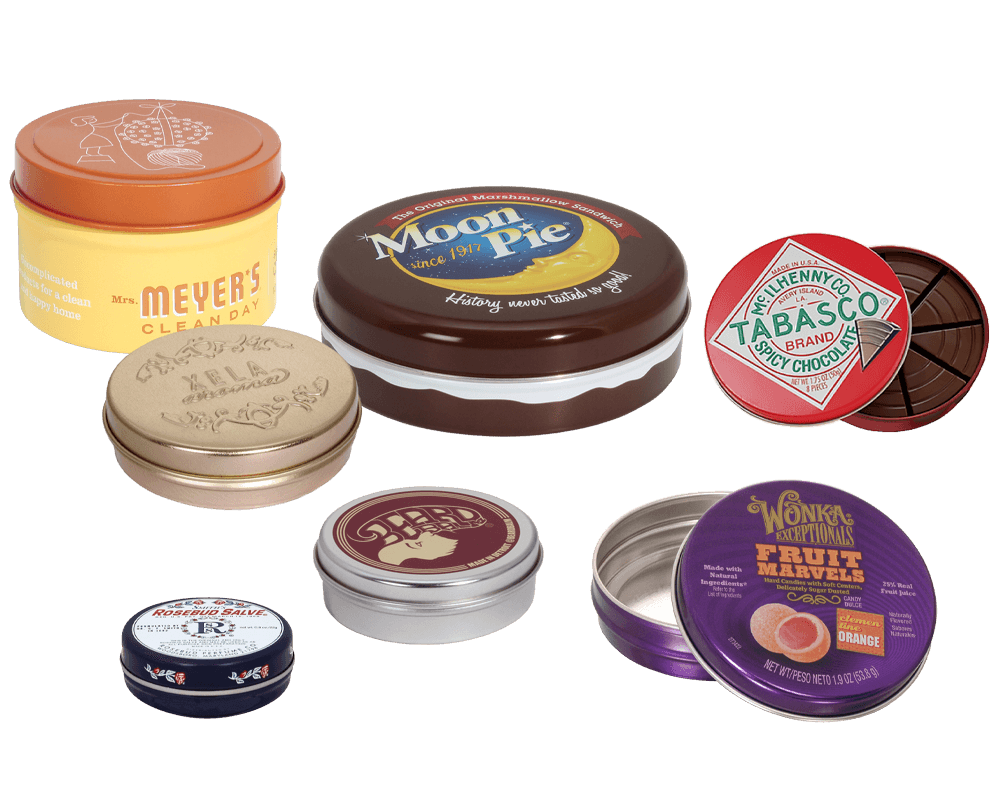
Aluminum and steel containers offer infinite recyclability with the durability and lightness advantages that glass lacks. Aluminum tins and bottles are genuinely plastic-free when paired with metal roll-on closures or metal push-tab lids. Steel food tins have decades of commercial infrastructure behind them. The sustainability story for metal packaging is strong: aluminum achieves high recovery rates in curbside programs globally and can be back on shelf as recycled content within 60 days of collection in well-functioning markets. All-metal pump mechanisms for personal care applications are available for brands that want to eliminate plastic dispensing components alongside the primary container.

Molded fiber containers made from bagasse, wheat straw, or recycled paper pulp cover a broad range of food formats including trays, clamshells, bowls, and plates. Uncoated molded fiber is genuinely plastic-free and industrially or home compostable depending on the base material and certification. Coated molded fiber with aqueous dispersion or microcrystalline wax coatings for grease and moisture resistance falls into the near plastic-free category with minimal polymer content but meaningfully better functional performance than uncoated fiber for food contact applications. Asking suppliers specifically what the coating is and whether it affects compostability certification is the right question to ask before making end-of-life claims.

Paper and paperboard formats cover cartons, mailers, pouches, sachets, and flexible wraps. Uncoated kraft paper and paperboard are genuinely plastic-free. Paperboard with water-based or bio-based barrier coatings sits in the near plastic-free category. These formats work well for dry goods, retail secondary packaging, and ecommerce shipping. Barrier performance for moisture-sensitive or oxygen-sensitive products requires careful coating specification and shelf life validation before commercial commitment.

Cellulose films made from regenerated wood pulp (glassine and cellophane) are transparent, heat-sealable, and home compostable in their uncoated form. They work well for overwraps, sachets, and liners for dry goods and baked products. Coated versions with starch or wax dispersion for grease resistance remain near plastic-free.

Emerging formats including nanocellulose barrier films, seaweed-based packaging (Notpla), and mycelium composites from companies like Ecovative are moving toward commercial scale. Nanocellulose coatings are achieving oxygen transmission rate performance comparable to conventional plastic barrier films on paperboard substrates, which would make high-barrier plastic-free packaging viable for a much wider range of products than current technology supports. These are worth monitoring as pilot programs expand but should not be specified for commercial production without validating current availability and scale.

How to Choose Plastic-Free Packaging Suppliers

Plastic-free packaging supplier selection involves being clear with yourself about which tier of plastic-free your product and brand positioning actually require before any supplier conversation begins.

Using the 5 P's as a frame: Price for truly plastic-free formats varies by material. Glass jars with metal closures are often cost-competitive with conventional plastic containers at volume. Aluminum tins carry a premium that is frequently absorbed by premium brand positioning. Molded fiber trays run modestly above conventional polystyrene trays, a gap that has narrowed as demand has scaled. Uncoated paper and paperboard formats can be cost-competitive with conventional alternatives for appropriate dry goods applications. Performance means being honest about what your product actually requires: glass and metal deliver excellent barrier performance, uncoated fiber delivers adequate performance for dry goods and limited moisture exposure, and products requiring high oxygen or moisture barrier may need coated formats that move into the near plastic-free category rather than the truly plastic-free one. Preference reflects your brand positioning and the claims you are making to customers: truly plastic-free formats support the cleanest marketing language while near plastic-free formats require more precise claim language to stay accurate. Proof covers food-contact safety certification for all formats, FSC or SFI certification for any fiber-based formats, compostability certification to named standards for any compostable claims, and coating disclosure documentation for any formats with barrier coatings marketed as plastic-free. Partner quality means a supplier who is transparent about the full material structure of their product rather than leading with marketing language, because that transparency is what allows you to make accurate claims to your customers.

Ask suppliers for the full material disclosure on any packaging marketed as plastic-free including coatings, liners, and closure components. Ask specifically whether any polymer content is present and if so how much and what type. Ask whether the packaging has been tested for food contact safety compliance under the relevant standards for your application.

Frequently Asked Questions about Plastic-Free Packaging: Options, Formats, and Suppliers

Is plastic-free packaging actually free of plastic?

Need help finding the right supplier?

We'll connect you with packaging suppliers based on your product type, volume, and timeline. Free, no obligation. We were here to help!

Get Connected to a supplier

Other Sustainable Options

Disclaimer: Information provided for educational purposes only. Packaged Sustainable is a marketplace connecting brands with suppliers - we do not manufacture products or guarantee supplier claims. Always conduct your own due diligence and verify certifications, capabilities, and regulatory compliance independently. PS is not responsible for supplier performance or outcomes.