

Featured Solutions and Suppliers
Interested in a solution? Click "View Supplier" to learn more about the supplier.







Sustainable Packaging Options for Sunscreen
Multiple packaging formats suit sunscreen products with different sustainability advantages and performance trade-offs matching product formulations and distribution models.
Recyclable plastic bottles remain the most common format for sunscreen lotions and sprays using HDPE (high-density polyethylene) or PET widely compatible with recycling systems. HDPE bottles offer strong chemical resistance against sunscreen oils and active ingredients, good durability for travel and outdoor use, and compatibility with existing recycling infrastructure achieving high curbside acceptance. Sustainable improvements focus on increasing post-consumer recycled (PCR) plastic content (25-100% PCR available) reducing carbon footprint of packaging production while maintaining chemical resistance and barrier performance. HDPE bottles particularly suit sunscreen because formulations often contain oils and UV filters requiring chemically resistant packaging.
Recyclable mono-material tubes eliminate traditional plastic-aluminum laminate structures that can't recycle. Historical sunscreen tubes used plastic-aluminum laminates providing excellent barriers but preventing recovery because materials won't separate. New mono-material polyethylene (PE) tubes designed for plastic recycling streams replace aluminum layers with plastic-based barrier technologies (EVOH layers, polymer coatings) making tubes easier to process in recycling facilities. These tubes maintain adequate UV and oxygen protection for most sunscreen formulations while improving recyclability through store drop-off plastic film programs or curbside acceptance where HDPE packaging is accepted.
Aluminum bottles and tubes provide plastic-free packaging with excellent light and oxygen protection. Aluminum containers deliver superior UV blocking preventing photodegradation of sunscreen active ingredients, high recyclability with 75% of all aluminum ever produced still in use, and strong durability for outdoor and travel conditions. Because aluminum recycles repeatedly without quality loss, it represents one of the most circular packaging materials. Aluminum tubes and bottles are sometimes used by premium sunscreen brands seeking plastic-free positioning or formulations requiring maximum light protection. However, aluminum packaging typically costs 2-4x more than plastic alternatives affecting price positioning.
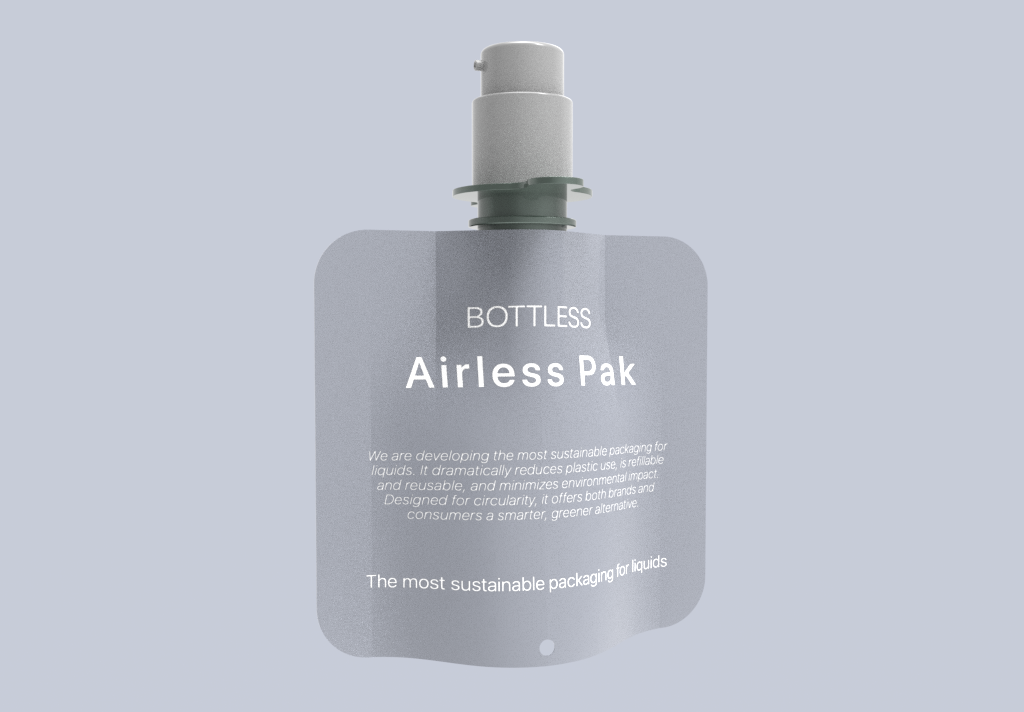
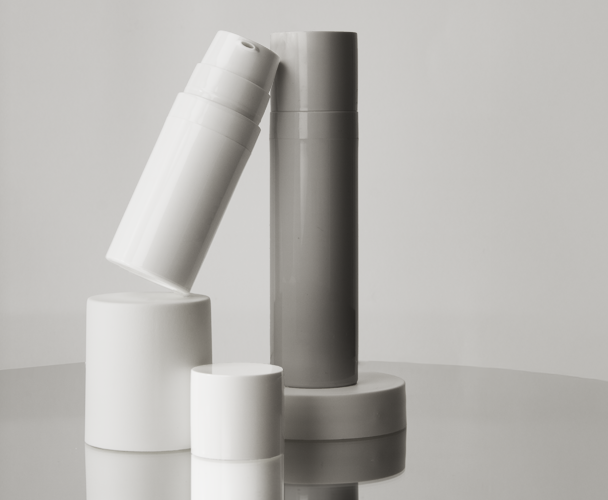
Refillable packaging systems reduce material consumption over time through durable containers with replacement product cartridges or pouches. Consumers purchase primary container once then refill with replacement sunscreen extending packaging lifespan. Common refill formats include refillable pump bottles, cartridge-based refill systems, or refillable stick packaging. However, refill systems require strong consumer participation achieving environmental benefits since unused refill capacity creates waste. Reverse logistics, consumer behavior change, and refill availability determine success. These work best for brands with loyal customer bases and established distribution for refill products.
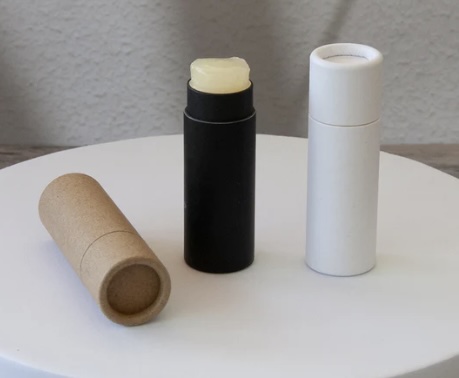
Paper-based and hybrid packaging use paperboard or fiber-based outer structures with internal liners reducing plastic content. Paperboard tubes for sunscreen sticks, molded fiber packaging for containers, or paper-based pump bottle designs aim reducing plastic while maintaining product protection. However, hybrid packaging structures combining paper and plastic may introduce recycling challenges requiring material separation. These formats work best for stick sunscreens or products with lower barrier requirements versus lotions or sprays requiring stronger moisture and UV protection.
Material Considerations for Sunscreen Packaging
Sunscreen formulations contain ingredients interacting with packaging materials requiring careful evaluation of compatibility, protection, and durability matching outdoor use conditions.
UV and light protection prevents photodegradation of sunscreen active ingredients. Sunscreen products often contain UV-sensitive ingredients (avobenzone, octinoxate, zinc oxide, titanium dioxide) that degrade when exposed to light, reducing SPF effectiveness and product stability. Packaging materials should provide adequate UV blocking through opaque or pigmented designs preventing product degradation during shelf life and consumer use. Aluminum provides superior light blocking versus plastic. HDPE and PET plastics use opaque white, colored, or UV-blocking pigments achieving adequate protection for most formulations.
Chemical compatibility ensures packaging doesn't interact negatively with sunscreen ingredients. Many sunscreen formulations contain oils (coconut oil, jojoba oil), alcohols, emollients, and active UV filters that can interact with packaging materials causing chemical reactions, material leaching into product, or product instability over shelf life. HDPE and PET plastics provide strong chemical resistance against sunscreen ingredients making them preferred materials. Aluminum requires internal coatings (epoxy, lacquer) preventing metal interaction with acidic or reactive formulations. Product compatibility testing validates packaging materials don't affect formulation stability, SPF efficacy, or safety.
Moisture and oxygen barrier requirements vary by formulation. While sunscreen doesn't typically require extremely high barriers like food products, packaging should limit air and moisture exposure maintaining product stability. Barrier performance becomes particularly important for natural or preservative-free formulations susceptible to oxidation or microbial growth, and long shelf-life products (2-3 years) requiring extended protection. HDPE provides good moisture barriers. Aluminum delivers excellent oxygen and moisture barriers. Mono-material PE tubes with EVOH layers approach traditional barrier performance for moderate shelf life targets.
Durability and travel use withstand outdoor conditions. Sunscreen products are used at beaches, pools, during hiking, or travel requiring packaging designed for impact and drops from beach bags or backpacks, temperature fluctuations from hot cars or cold storage, and sand and water exposure during outdoor activities. Durable packaging reduces leakage or product loss risks. HDPE and aluminum offer strong impact resistance. Tubes must maintain seal integrity preventing leakage during squeezing and travel. Glass packaging generally avoided for sunscreen due to breakage risks in outdoor environments.
How to Choose Sustainable Sunscreen Packaging
With all these sustainable options, which one should you actually choose? Every packaging salesperson you speak with will tell you why you should buy their product, so you need some intel before those conversations to make sure you're making the right decision based on your situation.
When evaluating suppliers, think about the 5 P's:
Price: Can you afford PCR premiums, custom tooling, and potential compatibility testing costs?
Performance: Will it protect your UV filters from light/oxygen degradation and survive beach conditions?
Preference: Does your sustainability route (recyclable, PCR, refillable, compostable) align with your brand positioning?
Proof: Do they have formula compatibility data for sunscreen specifically, not just generic cosmetics?
Partner: Will they help you through heat testing, drop testing, and regulatory claim validation?
Here's how to evaluate each for sunscreen packaging.
Match Packaging to Your Formula (Chemical vs Mineral Filters Matter)
Sunscreen isn't "just another cosmetic bottle." It behaves more like an OTC drug with chemically sensitive actives. Before picking materials, you need clarity on what you're containing: chemical filters (avobenzone, octocrylene, newer options like Tinosorb in some regions) are sensitive to light and oxygen and can interact with certain plastic additives. Mineral filters (zinc oxide, titanium dioxide) are dispersions of fine, dense, abrasive particles that can settle hard and stress seams, valves, and pumps.
Two sunscreens with the same SPF can behave completely differently in the same "eco" package. Oil phase content, presence of ethanol or volatile solvents (in sprays/mists), viscosity across temperature ranges, and sensitivity of fragrance and antioxidants all govern stress on pumps, choice of liners and gaskets, and barrier requirements.
Ask suppliers: "Do you have compatibility testing data for formulas like mine (chemical vs mineral, oil content, viscosity)?" and "What sunscreen brands successfully use this packaging with similar formulations?" If they can't distinguish between a high-zinc mineral cream and a chemical filter spray, they're treating sunscreen like generic lotion. That's a red flag. Always choose and test packaging for your specific formula, not "for sunscreen in general."
Design for Beach Abuse (Not Just Shelf Stability)
Your packaging has non-negotiable jobs before you chase recyclability or compostability. It must protect SPF performance over shelf life by providing barrier to oxygen and light (especially for photo-unstable filters), thermal stability (can't deform or crack in hot cars or on beach sand), and chemical compatibility (no migration that destabilizes formula or creates off-odors). Failure here isn't just a quality issue. It's a safety and regulatory problem if labeled SPF no longer matches actual performance.
People will leave sunscreen in hot cars, sand, and damp beach bags. They'll toss it into luggage. They'll use it with sandy, oily hands. Beach scenarios concentrate worst-case conditions: UV exposure, heat, sand abrasion, saltwater, and repeated temperature cycling. Low-softening-point bioplastics can warp in hot cars or on sand. Paper and board packs can soften or delaminate in humid environments.
Ask suppliers: "Do you have heat-cycle and drop-test data for beach/pool conditions, not just room temperature performance?" and "What's your failure rate in accelerated aging tests that simulate hot car exposure?" Sustainable packaging that dents, cracks, or leaks faster than conventional bottles won't survive retail or regulatory scrutiny, no matter how good its lifecycle analysis looks on paper. You need real-world abuse testing data, not theoretical sustainability metrics.
Pick Your End-of-Life Route (Then Design Backwards from Infrastructure)
The most credible sustainable routes for sunscreen today are recyclable mono-material plastics (HDPE or PET), post-consumer recycled (PCR) content, aluminum tubes, refillable systems, and in limited cases compostable tubes for solid stick formats. Each has real trade-offs you need to understand before committing.
Recyclable mono-material (HDPE/PET) bottles are widely collected, lightweight, and familiar to consumers. Watch out: pump and spring components may still be multi-material, and you need design for disassembly or market acceptance. PCR plastic (HDPE/PET with recycled content) reduces virgin plastic and supports circularity, but comes with variability in color and odor requiring robust quality control. Aluminum tubes offer excellent barrier to light and oxygen and are fully recyclable, but you need to validate lining compatibility with filters and solvents, and denting or crimp integrity can be issues.
Refillable systems (aluminum or glass primary containers with refill pouches) cut single-use waste and build loyalty, but sunscreen stability in opened refill packs and hygiene of refill rituals need validation. Compostable tubes (PLA, PHA, fiber composites) have strong marketing appeal in theory, but most require industrial composting (limited infrastructure), and you must test heat resistance and formula compatibility rigorously.
Ask suppliers: "What's actually collected and processed in the markets where I sell?" and "Can you show me end-of-life acceptance data, not just certifications?" Write claims backwards from infrastructure. Start with what's actually recycled or composted where you sell, then craft language. Don't let marketing invent capabilities the waste system can't deliver.
Know What You'll Pay (Formula Compatibility Testing Adds Cost)
Sustainable sunscreen packaging costs more than conventional options, and the biggest cost drivers are often hidden. PCR content premiums typically add 10-30% to material costs, though this varies by resin type and recycled content percentage. Custom aluminum tubes with barrier linings cost 20-50% more than standard plastic tubes. Refillable glass or aluminum systems require higher upfront investment for durable primary containers plus pouches or stations for refills.
But here's what catches brands off guard: formula compatibility testing for sunscreen specifically (not generic cosmetics) adds development time and cost. You need validation that your UV filters don't degrade with the packaging material, that oil content doesn't swell gaskets or cause leaching, that mineral particles don't clog pumps or stress seams, and that the pack survives heat cycles without losing barrier integrity.
Minimum order quantities vary: large manufacturers of PCR bottles often require 50,000 to 100,000+ units, aluminum tube suppliers may start at 25,000 to 50,000 units, and specialty refillable systems might accept 5,000 to 10,000 units at premium pricing. Custom tooling for pumps or unique closures adds $10,000 to $30,000+ depending on complexity.
Ask suppliers: "What compatibility testing do you include, and what's on me to validate?" "What scrap rates should I expect during production with my formula?" and "Do you offer smaller trial runs to prove performance before I commit to full MOQs?" Budget for both material premiums and the iteration cycles you'll need to dial in barrier performance and abuse resistance.
Understand the Greenwashing Traps (Reef-Safe vs Pack-Safe)
Sunscreen sits at the intersection of drug/quasi-drug rules, cosmetic labeling standards, and environmental marketing guidelines. Sustainability claims on packaging like "eco-friendly," "biodegradable tube," or "reef-safe pack" are increasingly scrutinized for clarity about what's recyclable or compostable where, avoiding overclaiming when only part of the pack is "green," and alignment with actual collection infrastructure.
"Reef-safe" is usually about formula filters (avoiding oxybenzone, octinoxate), not packaging. But consumers conflate the two. If you pursue marine-friendly messaging, avoid loose caps and small detachable components that become marine litter, and highlight reduced plastic content or recyclability alongside reef-safe actives. But don't suggest that a "biodegradable" tube left on a beach is benign. From a regulator and NGO standpoint, litter is litter.
The most credible route today is designing for mechanical recycling using widely accepted resins (HDPE, PET) and minimizing non-removable mixed materials. If local recycling systems don't accept pumps, aerosols, or flexible tubes, don't imply the whole pack is "recyclable" without clear qualification. Compostable tubes require industrial composting conditions (limited access), and end-users often toss them in regular trash where they behave more like contamination than solution.
Ask suppliers: "What regulatory and marketing claim support can you provide?" and "Where has this packaging been accepted by recycling or composting facilities?" If your marketing team sounds more confident than your materials engineer about sustainability claims, you're accumulating greenwashing risk.
What is the most sustainable packaging for sunscreen?
