

Featured Solutions and Suppliers
Interested in a solution? Click "View Supplier" to learn more about the supplier.




Sustainable Personal Care Packaging Formats and the Materials Behind Them
Personal care packaging covers more formats than most other consumer product categories, and the sustainability options available differ meaningfully depending on which format your product requires. Understanding the format landscape before approaching suppliers is the starting point for any productive sourcing conversation in this category.
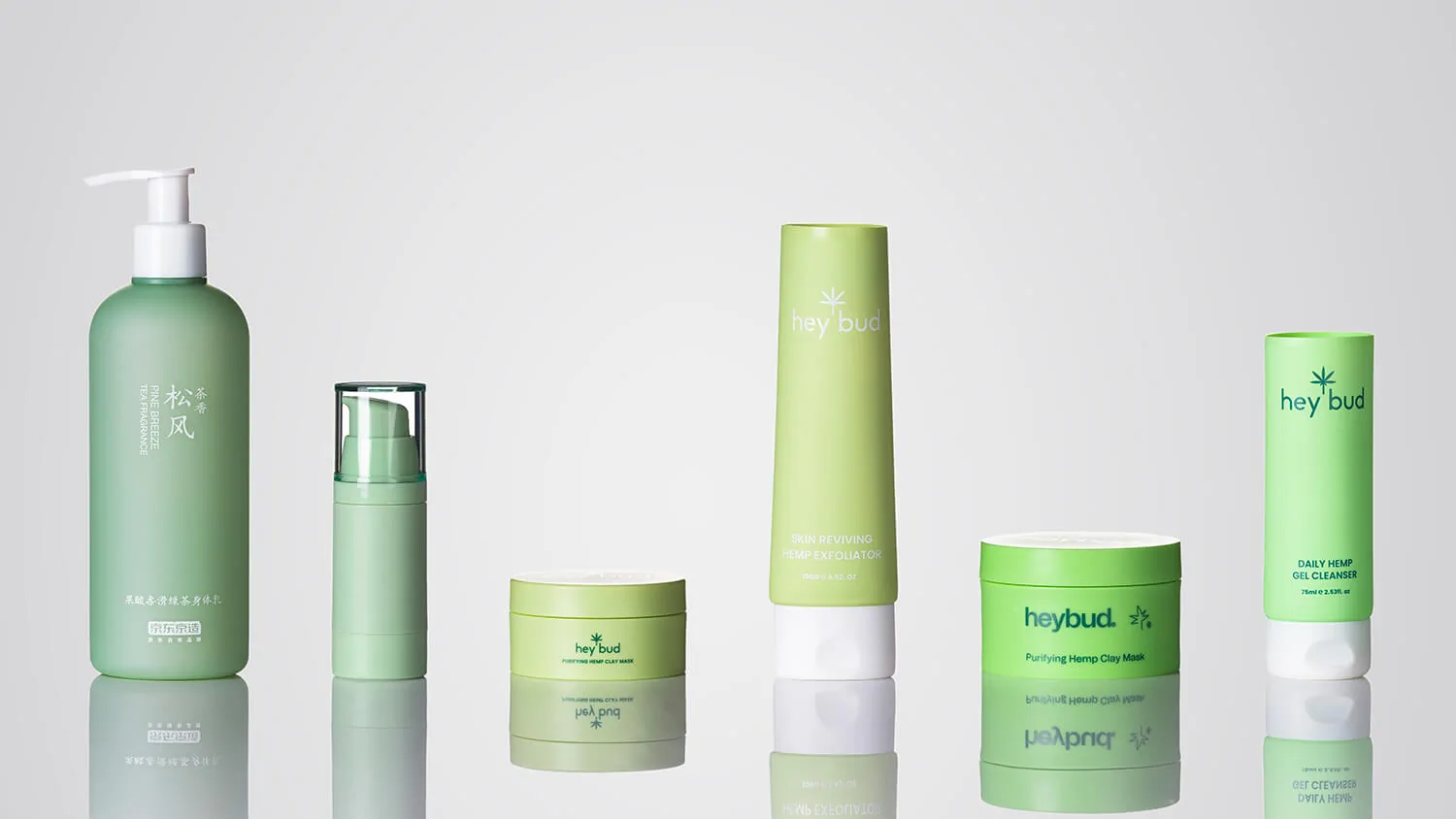
Bottles are the dominant format across shampoo, conditioner, body wash, and lotion. Conventional versions use HDPE or PET, both of which are technically recyclable in most curbside programs but frequently contaminated by pump mechanisms, mixed closures, and residual product. The sustainable transition here moves in two directions. The first is increasing post-consumer recycled content (PCR) in the bottle itself, with 50 to 100 percent PCR HDPE and rPET bottles now commercially available from multiple suppliers at competitive pricing. The second is refillable bottle systems where a durable primary container (aluminum, glass, or high-quality PCR plastic) is designed for long-term consumer ownership and paired with lightweight refill pouches or cartridges that reduce plastic use per fill by up to 80 percent compared to buying a new bottle each time. Pump and dispensing mechanisms are a secondary recyclability consideration worth addressing explicitly: many pumps contain mixed materials including metal springs and mixed plastics that complicate recyclability of the full assembly, and pump-free dispensing formats (disc caps, solid formats, squeeze tubes) are worth evaluating where the product formulation allows.
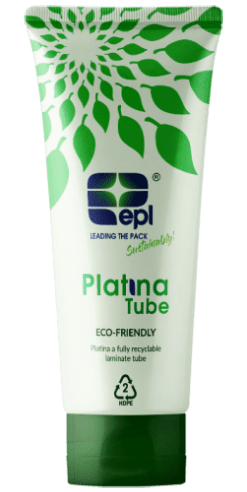
Tubes for toothpaste, lotions, creams, and facial cleansers have historically been one of the harder personal care formats to make recyclable because conventional tubes use multilayer laminates combining plastic and aluminum layers that cannot be separated mechanically. Mono-material PE tubes are now widely available and are compatible with flexible film recycling streams through store drop-off programs where that infrastructure exists, making them the primary sustainable transition in this format. All-PE tube construction maintains the same squeeze and dispensing functionality as conventional tubes and is available with PCR content from several converters.
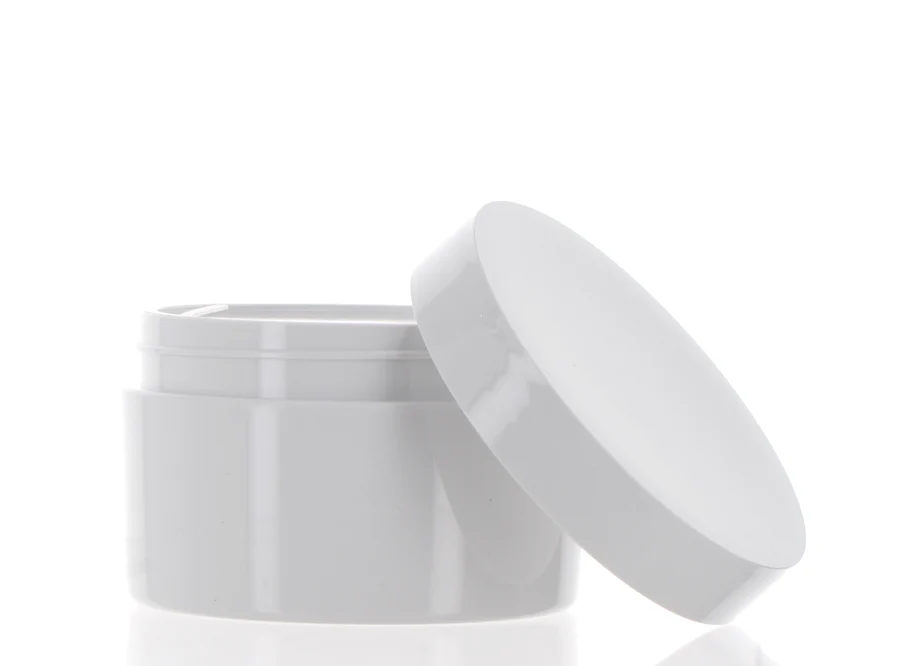
Jars for face creams, body butters, and hair treatments use glass, PET, or PP as the primary material. Glass jars are infinitely recyclable, provide strong UV and contamination protection for sensitive formulations, and carry a premium positioning signal that aligns well with prestige skincare and cosmetic brands. rPET and PCR PP jars offer a lighter-weight recyclable alternative at lower cost. Airless jar formats that dispense product without pumping air into the container extend shelf life for oxidation-sensitive actives and reduce the need for preservative-heavy formulations, which is a sustainability benefit that goes beyond the material story.
Flexible refill pouches are an increasingly important secondary format in personal care sustainability programs. Lightweight all-PE or all-PP pouches containing concentrated or ready-to-use refill formulas are paired with durable primary containers that stay with the consumer. The weight and material reduction per use is significant: a refill pouch for shampoo uses a fraction of the plastic of a replacement bottle. Store drop-off recycling compatibility for mono-material PE pouches provides a plausible end-of-life pathway in markets with that infrastructure.
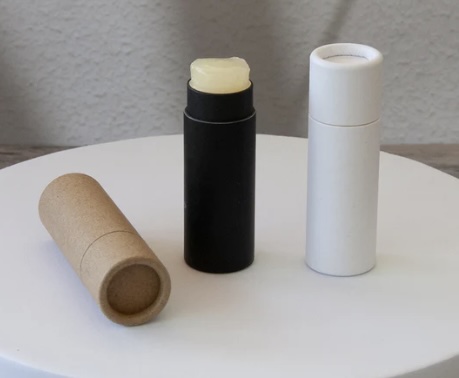
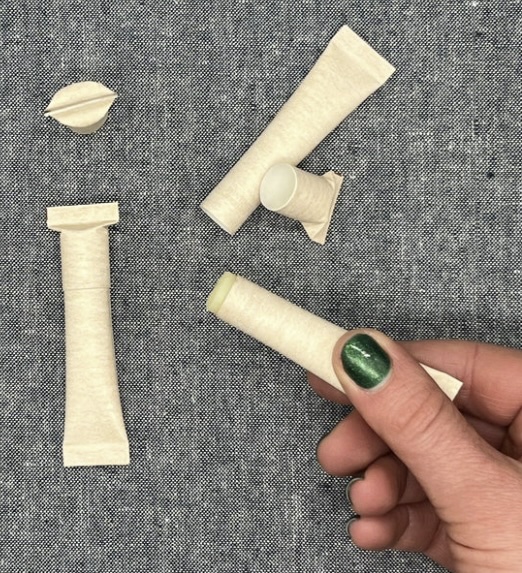
Paper-based and bio-based formats are most applicable for solid personal care products including solid shampoo bars, deodorant sticks, solid cleansers, and lip balms. Molded pulp containers from sugarcane fiber or recycled paperboard handle these formats well, offer compostability or recyclability depending on coating, and provide a premium tactile presentation that has become a strong visual signal of sustainability commitment for natural and clean beauty brands. Bio-PE films derived from sugarcane and home compostable PLA and PBAT pouches are emerging options for sample sachets and travel formats where single-use is difficult to avoid entirely.
Sustainable Personal Care Packaging Trade-Offs Worth Understanding
Formulation compatibility is the constraint that most frequently derails personal care packaging sustainability transitions and it is the one that most general sustainability conversations underweight. Personal care formulations contain oils, acids, alcohols, surfactants, and active ingredients that interact with packaging materials in ways that vary by formulation and concentration. A material that is chemically compatible with a water-based lotion may not be appropriate for an oil-rich serum or an alcohol-based toner. Sustainable material substitutions must be validated against your specific formulation before committing to production, not assumed based on general material category compatibility.
Dispensing system recyclability is the second significant complexity. Pumps, sprays, droppers, and applicators frequently contain multiple materials including metal springs, different plastic components, and rubber or silicone elements that make the complete dispensing assembly non-recyclable in most programs regardless of the bottle material. The most practical approaches are specifying pump mechanisms designed for disassembly with clear consumer instructions, switching to pump-free dispensing formats where the formulation allows, or accepting that the dispensing mechanism is a non-recyclable component while focusing recyclability claims on the primary container.
Recycled content in personal care packaging requires food-grade or cosmetic-grade PCR material, which is a higher specification than general industrial recycled content and commands a premium. Not all PCR plastic is appropriate for direct skin-contact or formulation-contact applications, and supplier documentation confirming cosmetic-grade compliance is an essential verification step rather than an assumed standard.
How Brands Choose Sustainable Personal Care Packaging
Personal care packaging supplier selection involves balancing formulation compatibility, dispensing performance, sustainability credentials, and brand aesthetic in ways that few other packaging categories require simultaneously.
Using the 5 P's as a frame: Price for sustainable personal care packaging varies widely by format and material. PCR HDPE bottles at meaningful volumes approach cost parity with virgin equivalents. Mono-material PE tubes are competitive with conventional laminate tubes. Aluminum and glass primaries for refillable programs carry higher unit costs that are justified by the multi-year consumer ownership model and the reduced packaging cost of refill formats over time. Performance means formulation compatibility validation first, followed by dispensing system testing with your specific viscosity and formula, UV and barrier protection requirements for light-sensitive or oxidation-sensitive actives, and shelf life validation under real distribution and retail conditions. Preference reflects your brand positioning and retail channel: prestige and clean beauty brands have different format expectations than mass market personal care programs, and refillable systems that work well in DTC require different retail integration planning than standard single-purchase formats. Proof covers PCR content verification with ISCC or equivalent certification, cosmetic-grade compliance documentation for any recycled plastic in direct formulation contact, recyclability claims backed by material and closure compatibility testing rather than single-material assumptions, and compostability certification to named standards for any compostable format. Partner quality means a supplier with personal care-specific formulation compatibility experience and the ability to provide samples for compatibility and stability testing before volume commitments are made.
Ask suppliers for formulation compatibility data with your specific product type. Ask what the pump or closure is made from and whether it has been designed for disassembly or recyclability. Ask for PCR content certification documentation rather than accepting general recycled content claims.
Why are shampoo bottles hard to recycle even though they are plastic?

Does sustainable personal care packaging affect formulation shelf life?