

Featured Solutions and Suppliers
Interested in a solution? Click "View Supplier" to learn more about the supplier.
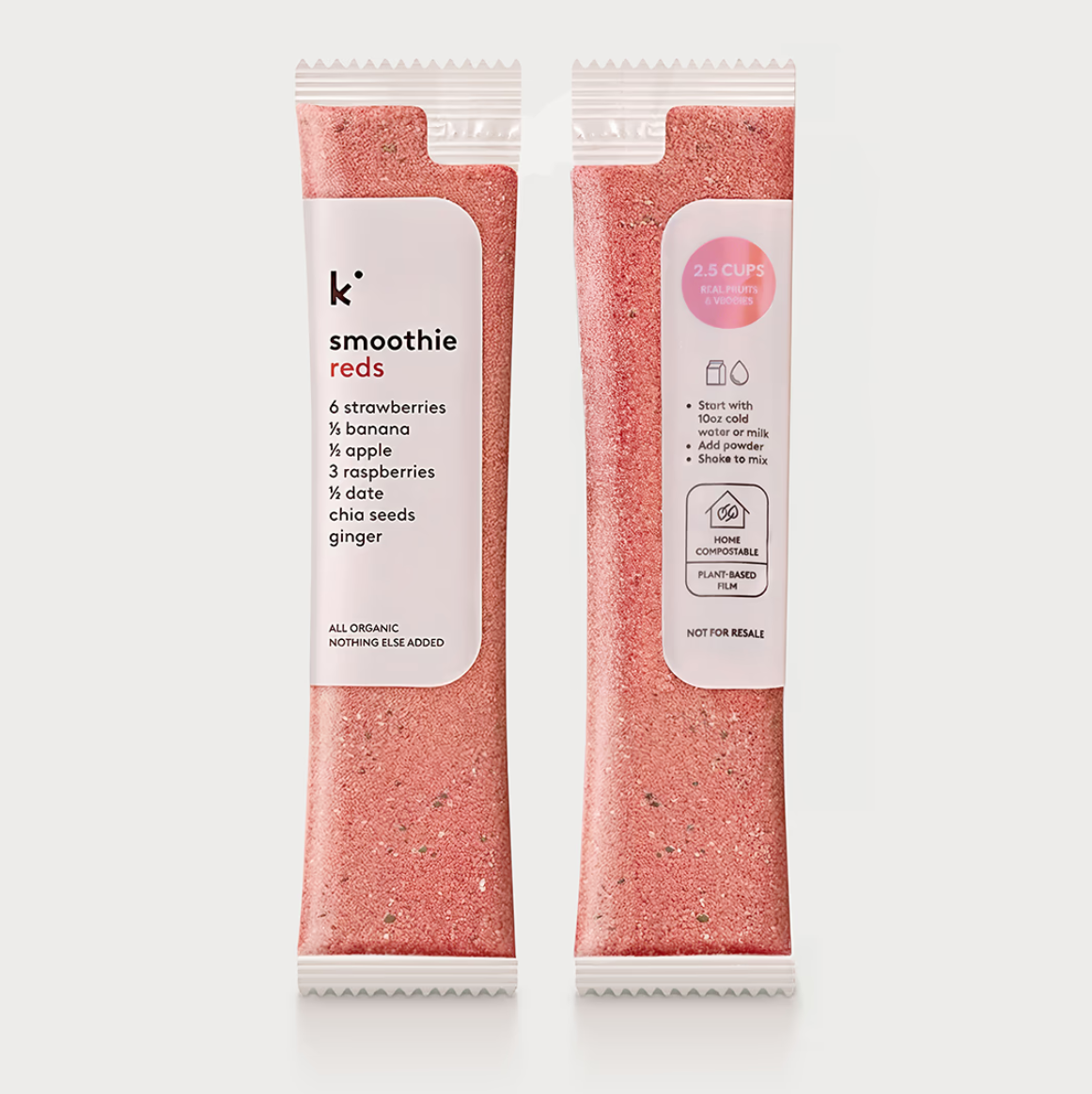


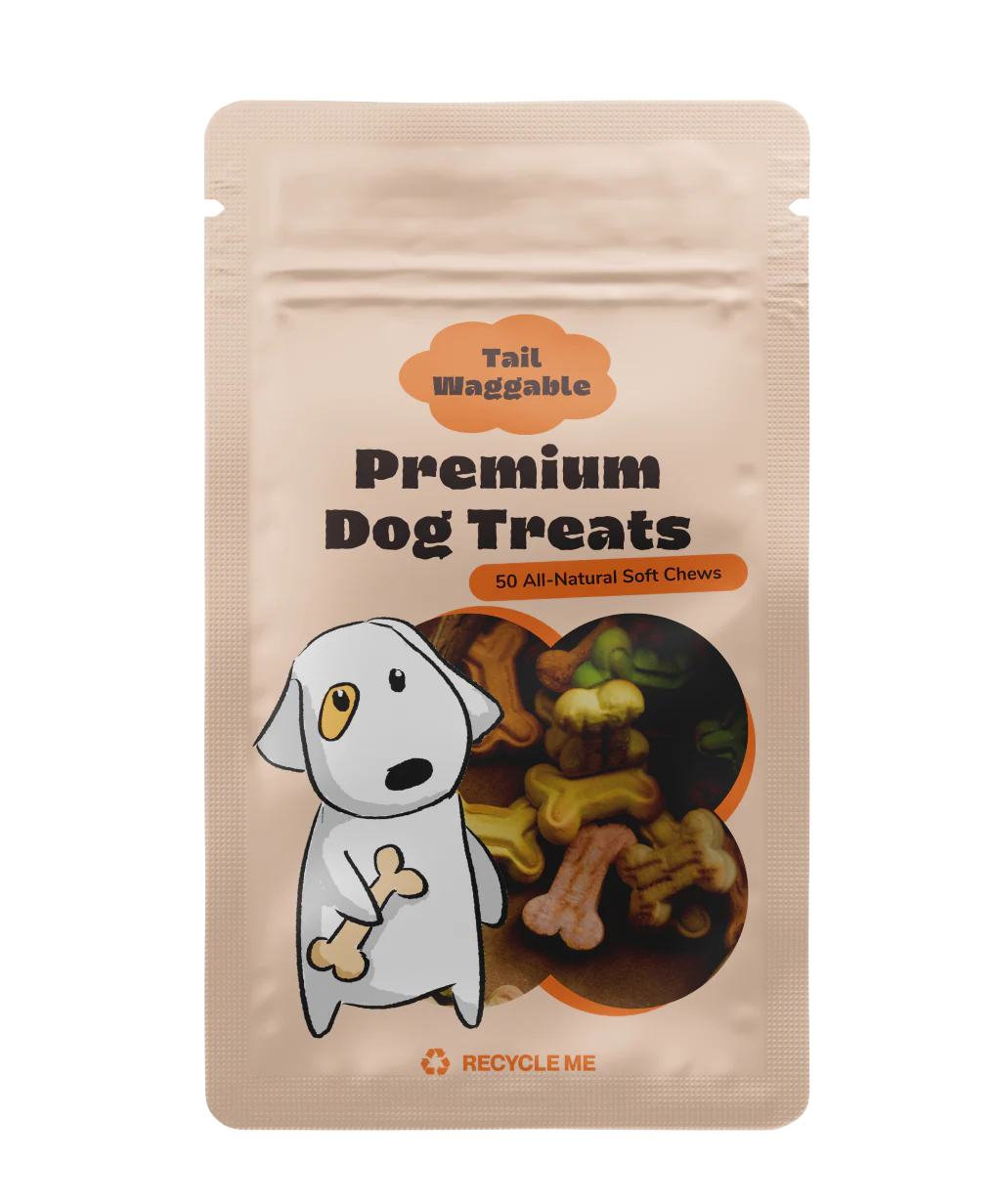

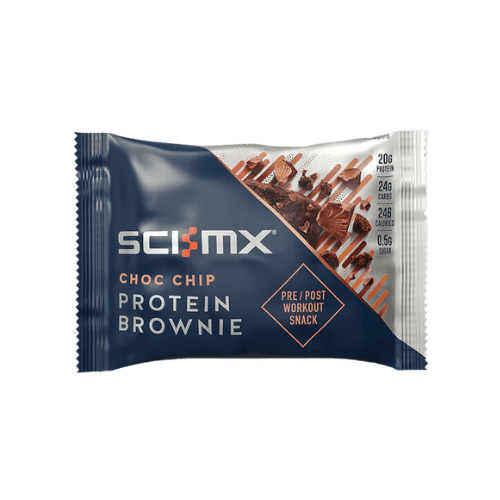


What Sachets Are Made From and Why It Matters
Conventional sachets are built from multilayer laminate films, and that construction is the root of almost every sustainability challenge this format faces. A typical sachet combines several distinct material layers bonded together: an outer layer of PET or oriented polypropylene for stiffness and print surface, a middle barrier layer of aluminum foil, EVOH, or nylon to block oxygen and moisture, and an inner sealable layer of polyethylene that heat-seals during filling. Each layer is doing a specific job, and together they deliver barrier performance, product stability, and machine compatibility that is genuinely difficult to replicate in a simpler structure.
The two main physical formats are pillow sachets (sealed on all four sides, common for condiments and cosmetic samples) and stick packs (narrow vertical tubes sealed at top and bottom, common for supplements, electrolytes, and instant beverages). Both rely on the same basic laminate logic, and both face the same end-of-life problems. Aluminum foil sachets offer the strongest barrier performance and are common for pharmaceutical, food, and aroma-sensitive applications. Film-only sachets (no foil) offer slightly lower barrier but are lighter and occasionally more compatible with emerging recycling pathways. Understanding which structure your product actually requires is the first decision, because it determines which sustainability options are realistically available to you.
Why Sachet Recycling Is So Difficult
This is the part most supplier conversations skip, and it is worth understanding clearly before evaluating any sustainability claims in this category.
The small size problem is fundamental. Most materials recovery facilities use sorting equipment designed around larger rigid containers. Small flexible items, typically anything under two to three inches, fall through sorting screens, jam equipment, or are simply not captured. Even in markets with strong flexible film recycling infrastructure, sachets are too small to be reliably sorted and processed. This is a physical infrastructure problem, not a materials problem, and no coating or certification changes it.
The multilayer structure problem compounds this. Conventional laminates bond dissimilar materials together in ways that mechanical recycling cannot separate. A PET and PE laminate with an aluminum barrier layer is not PET, not PE, and not aluminum in any form a recycler can use. It is a composite with low economic value and high processing complexity, which is why most sachets end up in landfill or incineration regardless of what the packaging claims. Chemical recycling can process some mixed flexible films, but this technology remains limited in scale and geography and should not be treated as a current end-of-life solution for most brands.
Residual contamination adds a third layer of difficulty. Sachets retain product residue after use, and cleaning small flexible pouches at scale is not practical for consumers or recyclers. Even sachets that theoretically could be recycled rarely are in practice because the combination of small size, mixed materials, and contamination makes them economically unattractive for recycling operators.
Alternatives and Innovations Brands Are Exploring
Given the structural challenges above, the most honest starting point is asking whether sachet format is actually necessary for your product before evaluating which type of sachet to use.
For brands where sachets genuinely serve a function (portion control, sampling, product stability, on-the-go format), three material directions are worth understanding. Mono-material films, typically all-PE or all-PP structures, replace the mixed laminate with a single polymer family that is theoretically compatible with flexible film recycling streams, including store drop-off programs in the U.S. The trade-off is barrier performance: mono-material films typically cannot match the oxygen and moisture barrier of a foil laminate, which means they are better suited for lower-sensitivity products and shorter shelf life requirements. Brands considering this path should conduct actual shelf life testing with their specific product rather than relying on general material specifications.
Paper-based sachets are an emerging option for dry products including powders, supplements, and some food applications. These structures use high-strength kraft or specialty papers, sometimes with thin barrier coatings, to create a fiber-forward sachet that leverages paper recycling infrastructure. The challenge is that coatings required for moisture resistance can compromise recyclability, so buyers need to verify what the coating actually is and whether it is compatible with paper recycling streams in their target markets.
Compostable sachets represent the most actively developing area of this category. Industrial compostable options (certified to ASTM D6400 or EN 13432) have been available for some time, though access to industrial composting infrastructure remains limited in much of the U.S. More recently, home compostable sachet films have emerged that can break down at ambient temperatures without industrial composting conditions, and some of these materials are achieving barrier performance meaningful enough to serve real product applications. Home compostable certification standards to look for include TÜV OK Compost Home, AS 5810 (Australia), and NF T51-800 (France). Barrier performance in home compostable films varies significantly by supplier and formulation, so asking for specific MVTR (moisture vapor transmission rate) and OTR (oxygen transmission rate) data is essential before assuming a home compostable film will protect your product adequately.
For brands where the sachet format is more about convention than necessity, refill systems, larger concentrated formats, and solid dose forms (tablets, powders in paper packaging) are worth evaluating as a more fundamental solution to the problem.
What is the difference between industrial compostable and home compostable sachets?

Are mono-material sachets actually recyclable in practice?
Is there such a thing as biodegradable sachet packaging?
Does paper sachet packaging actually exist, and is it sustainable?