

Featured Solutions and Suppliers
Interested in a solution? Click "View Supplier" to learn more about the supplier.
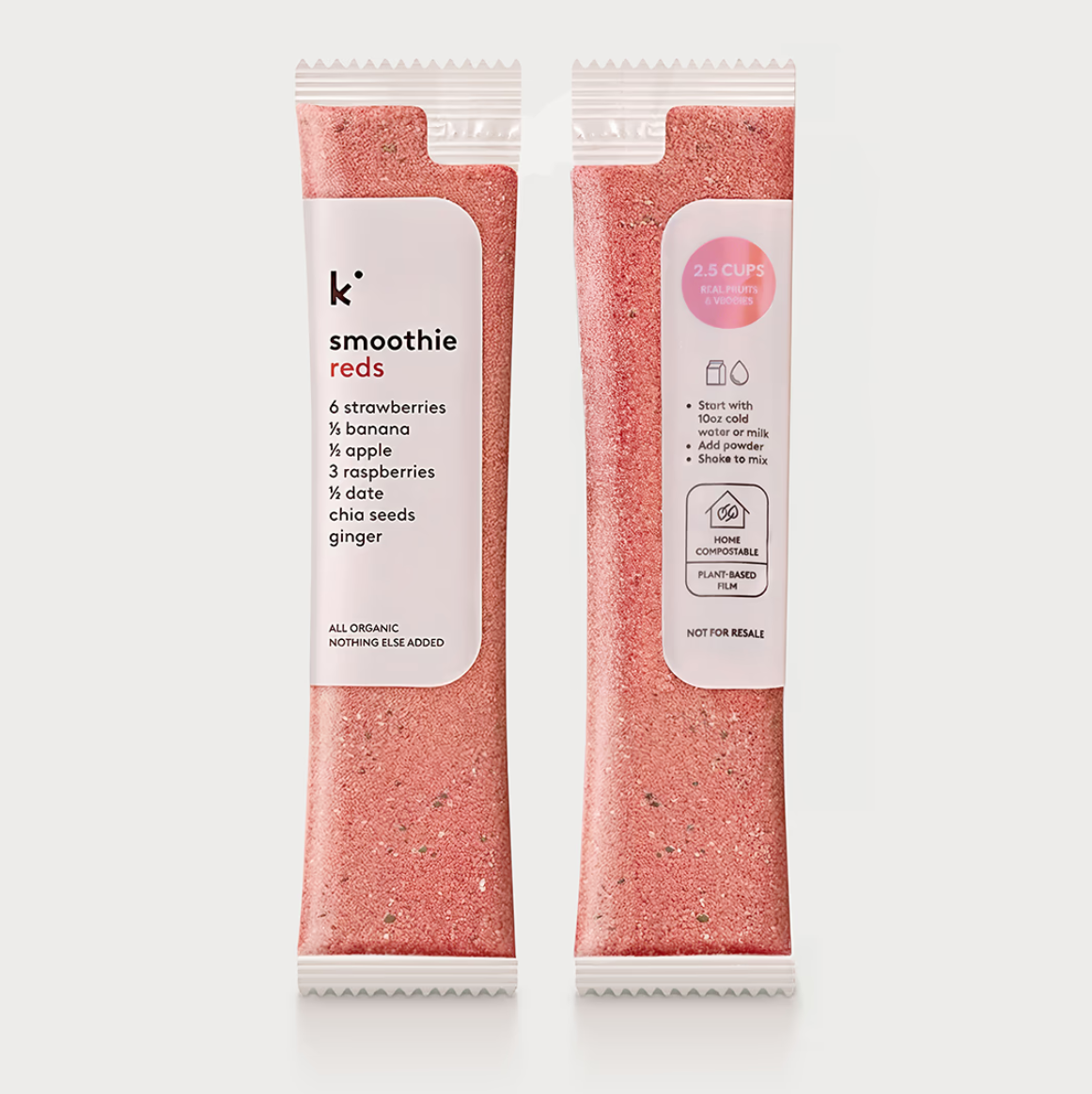


Compostable Materials and Barrier Performance Trade-Offs
Compostable electrolyte packaging uses plant-based films replacing conventional plastic-aluminum laminates, with emerging home compostable barrier films showing improved moisture protection though still typically falling short of aluminum laminate performance.
PLA (polylactic acid) films are the most common compostable material for stick packs and sachets, produced from fermented plant sugars (corn, sugarcane, cassava) creating bio-based polymer that can be extruded into thin flexible films. PLA provides moderate moisture barrier performance (3-10 g/m²/day moisture vapor transmission rate depending on thickness and formulation), good oxygen barrier properties, heat sealability for stick pack and sachet sealing, and industrial compostability when certified to BPI or EN 13432 standards. PLA films work for many electrolyte applications through adequate moisture protection for 6-12 month shelf life targets, printability for branding and nutrition information, and compatibility with high-speed form-fill-seal equipment.
However, PLA barrier performance falls significantly short of traditional aluminum laminate structures (under 0.1 g/m²/day MVTR for aluminum) meaning electrolyte powders may experience faster moisture absorption causing clumping, caking, or active ingredient degradation. Some electrolyte formulations containing hygroscopic ingredients (magnesium, calcium salts) are particularly moisture-sensitive requiring extremely low MVTR packaging. Brands switching to PLA may need to reduce shelf life targets from 18-24 months to 9-12 months, add desiccants or moisture scavengers to packaging, reformulate with less hygroscopic ingredients, or accept some quality degradation. PLA also has temperature sensitivity where films may soften in hot storage conditions (above 110-120°F) affecting package integrity during shipping or warehousing in warm climates. Most PLA films require industrial composting conditions (50-60°C) for breakdown.
Cellulose-based films derived from wood pulp or plant fibers offer plastic-free perception and good oxygen barriers in dry conditions, potential home and industrial compostability depending on formulation, and renewable material sourcing. Cellulose films (cellophane, NatureFlex, other cellulose derivatives) provide excellent oxygen barriers when dry, often better than PLA. However, cellulose films have critical moisture sensitivity where barrier performance drops dramatically in humid conditions (films absorb moisture, losing barrier properties), making them challenging for moisture-sensitive electrolyte powders unless combined with additional moisture-resistant coatings. Some newer cellulose film formulations incorporate barrier coatings maintaining better performance in humidity. Cellulose films often achieve home compostable certification (TÜV OK Compost Home) breaking down at ambient outdoor temperatures (20-30°C) in backyard systems, providing more flexible disposal pathways than industrial-only materials.
Starch-based films and PLA/PBAT blends use combinations of starch polymers, PLA, and PBAT (polybutylene adipate terephthalate, a compostable polyester) creating flexible compostable films with improved mechanical properties versus pure PLA. These blends can offer better flexibility and puncture resistance than pure PLA films, improved processing characteristics for film extrusion, and industrial or home compostability certification depending on formulation. However, moisture barrier performance typically remains moderate (similar to PLA ranges), cost premiums over PLA alone (blends more expensive), and more limited supplier availability than pure PLA films. Starch-based materials particularly sensitive to moisture given starch's hygroscopic nature.
Emerging home compostable barrier films represent newer technology addressing both compostability and barrier performance challenges. Some suppliers now offer films certified for home composting (TÜV OK Compost Home, AS 5810, NF T51-800) while delivering improved moisture barriers approaching 1-3 g/m²/day MVTR through advanced coating technologies, multi-layer compostable structures, or proprietary formulations. These films break down in home composting systems at ambient temperatures (20-30°C) within 180-365 days per certification standards, providing disposal pathway flexibility for consumers without industrial composting access. However, these advanced barrier films typically cost 50-100% more than standard PLA films, have more limited supplier availability (emerging technology), and still may not match aluminum laminate barrier performance for ultra-sensitive formulations. Brands should request specific barrier data and shelf life testing validating performance with moisture-sensitive electrolyte powders.
Traditional aluminum laminate comparison shows barrier performance gap. Conventional electrolyte stick packs use multi-layer structures combining PET or OPP outer film, aluminum foil barrier layer (6-12 microns), and PE or PP sealant layer providing MVTR under 0.1 g/m²/day and excellent oxygen barriers enabling 18-24 month shelf life for sensitive formulations. These laminates cannot recycle because materials are permanently bonded, but they deliver unmatched barrier protection. The critical trade-off: compostable alternatives improve end-of-life outcomes while potentially sacrificing barrier performance requiring shelf life validation and possible formulation adjustments.
Certifications and Composting Pathways
BPI or EN 13432 certification verifies industrial compostability, while TÜV home composting certification enables backyard disposal, with infrastructure access and consumer disposal behavior determining whether environmental benefits realize.
BPI certification for industrial composting verifies materials meet ASTM D6400 standard where films break down within 180 days at industrial facility conditions (50-60°C temperature, controlled moisture, microbial activity), leave no toxic residues in finished compost, and disintegrate into small particles during composting. Certification should cover complete packaging structure including all film layers, barrier coatings or additives, printing inks, and adhesives for multi-layer structures. Some suppliers certify base film materials but not finished packaging with specific ink systems or coating combinations. Request documentation showing complete stick pack or sachet specification maintains BPI certification after printing and converting. EN 13432 provides equivalent European industrial composting standard.
TÜV home compostable certification verifies materials break down in home composting systems at ambient outdoor temperatures (typically 20-30°C) within defined timeframes (180-365 days depending on standard). Home compostable certification is significantly harder to achieve than industrial certification because materials must break down at much lower temperatures without controlled facility conditions. TÜV OK Compost Home, AS 5810 (Australia), and NF T51-800 (France) provide recognized home composting standards. Home compostable films offer major advantage for electrolyte packaging consumed on-the-go (gyms, outdoor activities, travel) where consumers can compost at home rather than requiring industrial facility access. However, home compostable barrier films typically cost more than industrial-only alternatives and have more limited supplier availability.
Industrial composting infrastructure access varies dramatically by region affecting disposal outcomes for industrial-only certified materials. Roughly 20% of U.S. population has access to industrial composting facilities, concentrated in West Coast cities (Seattle, San Francisco, Portland), select Northeast markets (Boston, New York commercial programs), and scattered municipal programs elsewhere. Europe ranges from 80%+ infrastructure in leading countries (Germany, Netherlands, Austria) to 20-30% in others. Most composting programs prioritize food waste over packaging, with many facilities not accepting compostable packaging or unable to verify certification during collection. Without composting infrastructure access, industrial-only certified stick packs reach landfills where anaerobic conditions prevent designed breakdown.
Home composting accessibility provides broader disposal pathway for home-certified materials. Roughly 25-35% of U.S. households engage in home composting or have access to backyard composting capability (higher in suburban/rural areas, lower in urban apartments). Home compostable packaging enables these consumers to compost electrolyte stick packs alongside food scraps and yard waste without requiring industrial facility access. However, consumer education remains critical because "compostable" without specification doesn't clarify whether home or industrial composting is required. Clear packaging labels ("Home Compostable" versus "Industrial Composting Only") prevent disposal confusion.
Consumer disposal behavior presents additional challenge for small-format packaging. Single-serve stick packs and sachets are often consumed on-the-go (gyms, outdoor activities, travel) where composting bins are unavailable and consumers default to trash disposal. Even when composting options exist, stick pack size makes them easy to overlook or discard incorrectly. Some brands succeed with compostable packaging in controlled environments (corporate cafeterias, gyms with dedicated bins, subscription deliveries with composting instructions) but struggle with retail distribution where disposal pathways vary. Home compostable certification improves outcomes by enabling disposal wherever consumers have backyard composting access.
How to Choose Compostable Electrolyte Packaging
Selecting suppliers requires finding partners with actual electrolyte packaging experience, not just generic compostable film capabilities, because moisture barriers and shelf life challenges require specific expertise.
Find suppliers with real electrolyte packaging experience. Many manufacturers list compostable packaging in their capabilities, but that's different from having successfully packaged electrolyte powders. You want suppliers showing confidence they can handle your specific product—moisture barriers, shelf life requirements, hygroscopic ingredient challenges, the complete picture. Ask whether they've packaged electrolyte or sports nutrition products before, not just compostable films generally. Request case studies or references from similar applications. Suppliers experienced with moisture-sensitive powders understand the nuances (magnesium versus sodium formulations, humidity storage challenges, stick pack sealing requirements) versus those learning on your project. Request technical data sheets (TDS) with actual numbers backing up barrier performance claims, sealing parameters, and compostability certifications for the finished structure (not just base film material). If suppliers can't provide MVTR data, sealing temperature ranges, and certification documentation for complete packaging assembly, keep looking.
Evaluate through the 5 P's framework for balanced decision-making. Price (can you balance 30-80% material cost premiums against brand positioning and potential shelf life reduction impacts?), Performance (will moisture barriers maintain product stability over target shelf life, or does formulation require adjustment?), Preference (does compostable align with sustainability goals, customer expectations, and disposal infrastructure in target markets?), Proof (can suppliers document barrier performance, shelf life testing, and home versus industrial compostability certification?), and Partner (will suppliers work through testing, troubleshooting, and problem-solving versus just shipping material?). All five matter when evaluating compostable options because focusing only on environmental benefits while ignoring performance or cost creates implementation failures.
Pick a partner who'll help you succeed, not just a vendor. Many compostable films are similar on paper. What differentiates suppliers is experience in your category and willingness to actually help you succeed. Look for suppliers with electrolyte packaging experience specifically (not their first rodeo with moisture-sensitive powders), someone you connect with personally who communicates clearly, helpfulness and genuine interest in making this work (not just transactional), and patience with questions about products on their own website or technical specifications. Moving to compostable packaging carries real risks around shelf life and moisture protection. You need suppliers who'll work through testing, adjustments, and problem-solving, not someone who just wants to ship material and move on. Request production trials or technical support during conversion reducing risks of equipment compatibility issues or seal strength problems.
Share design specifications early preventing costly issues. Get artwork and specifications to suppliers as soon as possible so they can flag potential problems before you commit to final designs. Two common issues: printing limitations where some embellishments (spot UV, hot stamping, metallic foils) don't work on compostable films requiring design modifications, and ink coverage limits where compostable certification has restrictions on total ink coverage percentage (excessive ink can void certification). Print too much and certification fails. Suppliers should know specific limits for their films and help you stay within certified ranges. Request printed samples verifying color accuracy and visual quality on compostable substrates before full production. Water-based or bio-based inks generally maintain certification versus solvent-based conventional inks. Nutrition panels, brand colors, and mandatory label information must fit within ink coverage limits suppliers specify.
Do composters actually want compostable electrolyte packaging, or is it difficult for them to process?

Does compostable electrolyte packaging come on rolls, and will it work with existing filling equipment?
How does compostable electrolyte packaging compare to recyclable or PCR packaging from a sustainability standpoint?
How does compostable electrolyte packaging protect against moisture and oxygen exposure?
How does the cost of compostable electrolyte packaging compare to traditional or recyclable alternatives?
Is compostable electrolyte packaging the same as biodegradable packaging?
Is compostable packaging a good fit for electrolyte products, or are there cases where it isn't?
What are typical minimum order quantities for compostable electrolyte packaging?
What brands use compostable electrolyte packaging?
What certifications should I seek to verify that compostable electrolyte packaging is truly compostable?
What is compostable electrolyte packaging, exactly?
What information should I review on a TDS for compostable electrolyte packaging?
What suppliers make compostable electrolyte packaging?
Will consumers know how to properly dispose of compostable electrolyte packaging in real-world conditions?
What shelf life can brands realistically expect from compostable electrolyte packaging?
What OTR and MVTR values are considered acceptable for compostable electrolyte packaging?
What materials is compostable electrolyte packaging typically made from?