

Featured Solutions and Suppliers
Interested in a solution? Click "View Supplier" to learn more about the supplier.



Recyclable Bottles, Glass, and Aluminum Containers
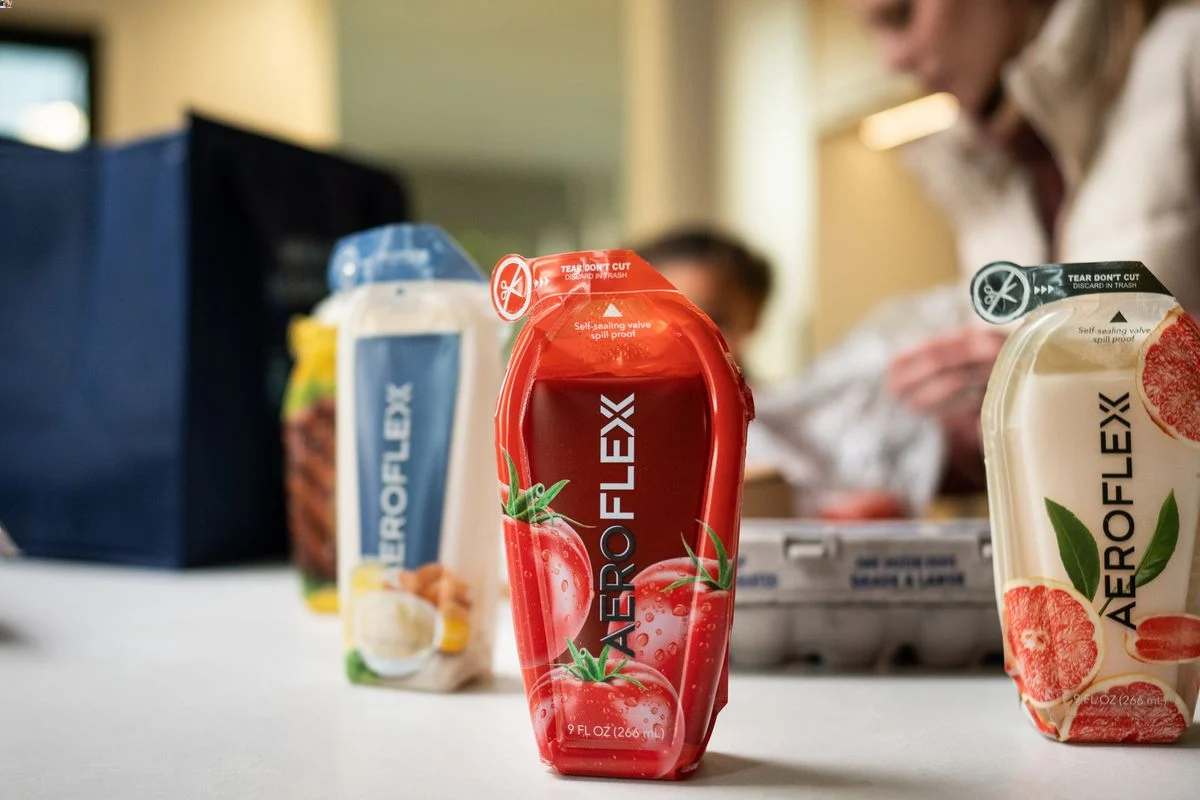
Recyclable rigid containers provide the most established sustainable packaging for retail condiments and foodservice applications, with material choice affecting recyclability, barrier performance, and cost structure.
Recyclable plastic squeeze bottles use PET (polyethylene terephthalate) or HDPE (high-density polyethylene) providing curbside recyclable packaging for ketchup, mustard, barbecue sauce, salad dressings, and mayo. PET offers clarity for product visibility, compatibility with 95%+ curbside recycling programs, 29% U.S. recycling rate (85%+ in deposit states), and availability with 25-100% post-consumer recycled (PCR) content reducing virgin plastic demand. HDPE provides opaque bottles for light-sensitive products (some dressings, specialty sauces), excellent moisture barrier and chemical resistance against acidic or oil-based condiments, similar curbside acceptance, and 30% U.S. recycling rate. Both materials work with standard squeeze bottle designs, closures (flip-top caps, screw caps, dispensing valves), and filling equipment.
Sustainable improvements include increasing PCR content from 25% to 50-100% (some brands achieving 100% rPET bottles), lightweighting reducing material 15-30% through bottle design optimization, and designing for recyclability using mono-material closures (HDPE caps on HDPE bottles), clear bottles over dark colors (carbon black invisible to optical sorters reducing recyclability), and minimal label coverage with wash-off adhesives. However, PCR plastic costs 10-30% more than virgin material, recycling rates remain low despite curbside acceptance (consumer participation and sorting infrastructure affect actual recovery), and squeeze functionality requires adequate wall thickness potentially limiting lightweighting. Plastic bottles work best for high-volume mainstream condiments where cost efficiency and familiar formats matter.
Glass containers suit premium condiments (hot sauces, specialty salad dressings, gourmet sauces, soy sauce) providing infinite recyclability without quality loss, excellent oxygen and moisture barriers protecting flavor and shelf life, inert material not interacting with acidic vinegar-based or fermented condiments, and premium aesthetic supporting higher price positioning. Glass achieves 70-80% recovery in strong recycling markets with 50-90% post-consumer recycled content (cullet) commonly available. Glass particularly suits products where barrier performance is critical (oxygen-sensitive oils, long shelf life requirements) or premium positioning justifies higher packaging costs.
However, glass weighs significantly more than plastic (150-400g versus 15-60g for equivalent plastic bottles) increasing shipping emissions and costs, breaks during shipping or use creating safety and operational challenges, and typically costs 2-4x more than plastic bottles affecting retail pricing. Glass works best for premium positioned condiments (artisanal hot sauces, organic dressings, specialty imports), products requiring maximum barrier protection, or brands where luxury aesthetic and infinite recyclability justify cost and weight trade-offs.
Aluminum tubes and containers provide metal packaging for products like tomato paste, specialty sauces, gourmet condiments, and some squeeze applications. Aluminum offers excellent barrier protection against light, oxygen, and moisture (superior to most plastics), high recyclability where 75% of all aluminum ever produced still in use through repeated recycling, 52% U.S. recycling rate (70-85%+ in deposit states), and lightweight versus glass though heavier than plastic. Aluminum tubes suit products requiring maximum barrier performance or premium metal aesthetic. However, aluminum typically costs 2-4x more than plastic, requires internal coatings (epoxy, lacquer) preventing interaction with acidic condiments adding complexity, and has more limited supplier availability than plastic or glass for condiment applications.
Sustainable Single-Serve Packets and Flexible Packaging
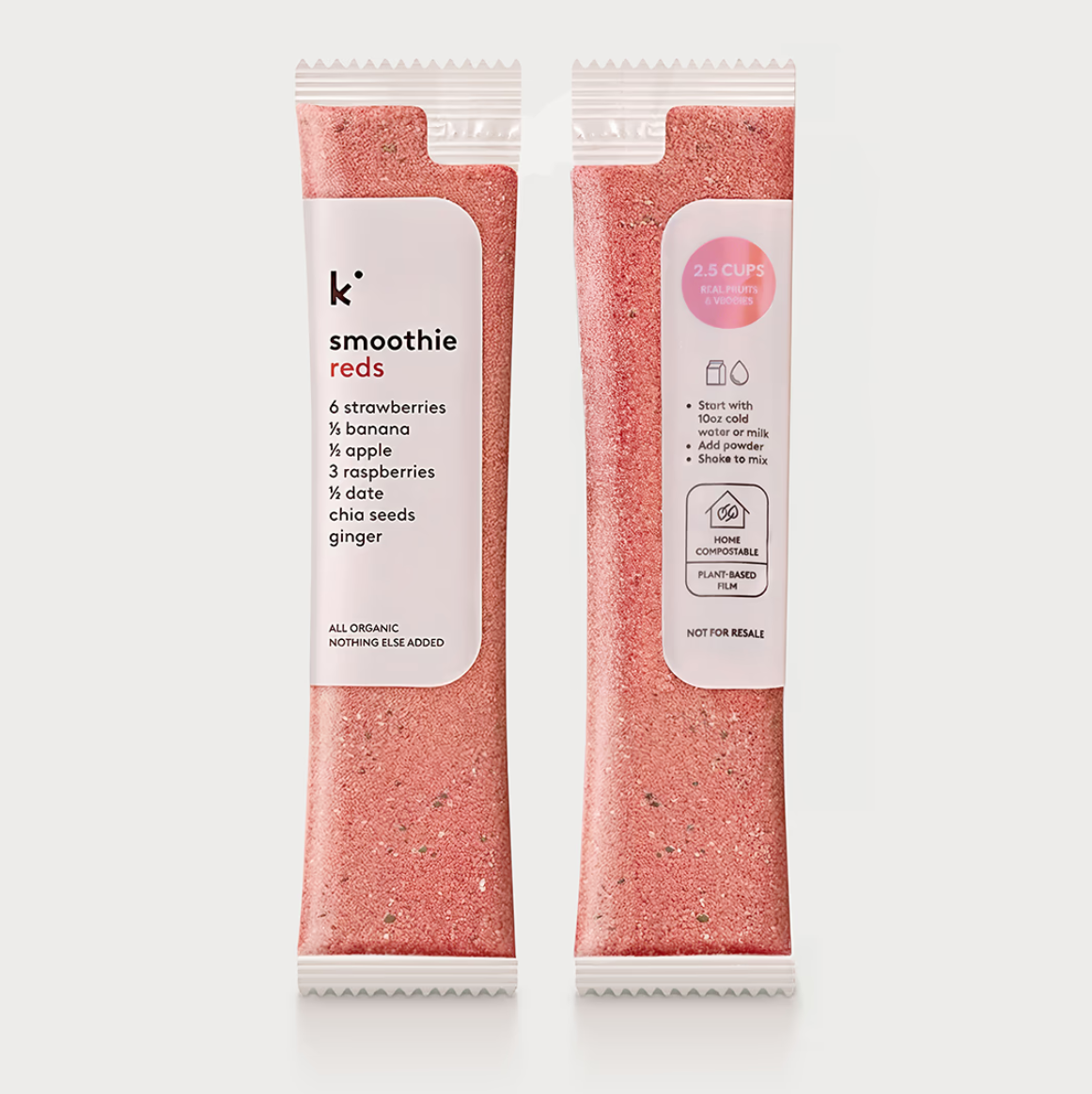
Single-serve condiment packets generate significant waste in foodservice, with sustainable alternatives replacing traditional multi-layer laminates through mono-material films or compostable options requiring infrastructure validation.
Traditional multi-layer condiment packets combine polyethylene, polypropylene, polyester films, and aluminum barrier layers providing moisture and oxygen protection for ketchup, mustard, mayo, hot sauce, and dressing packets used in quick-service restaurants, takeout, airline meals, and catering. These permanently laminated materials cannot recycle because layers won't separate (similar to chip bags and other flexible packaging challenges), creating significant waste given billions of packets used annually in foodservice. The recycling failure drives search for sustainable alternatives, though replacing multi-layer structures while maintaining barrier performance presents technical challenges.
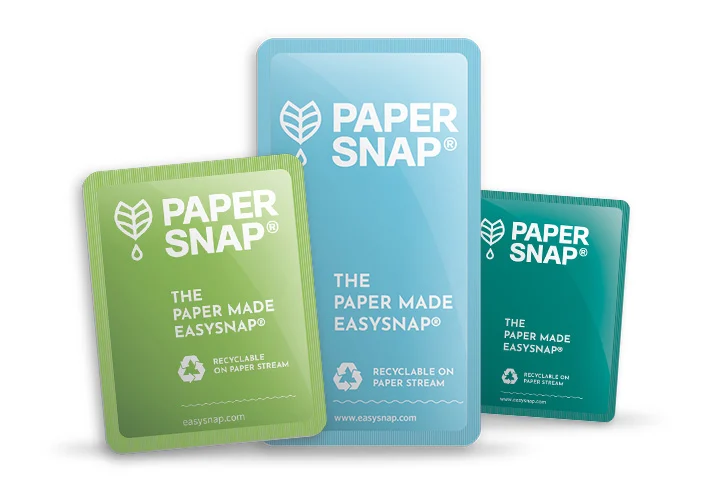
Recyclable mono-material flexible packets use polyethylene or polypropylene structures where all layers belong to same polymer family theoretically enabling recycling through store drop-off plastic film programs (similar to grocery bags). These packets eliminate aluminum foil layers replacing them with plastic barrier coatings (AlOx, SiOx) or thicker mono-material structures. Mono-material packets work for moderate barrier requirements (ketchup, mustard, some dressings) with 6-12 month shelf life targets versus 12-24 months for traditional laminates. However, store drop-off recycling infrastructure (80% population access) doesn't equal recovery (under 5% consumer participation for film recycling), condiment contamination may cause recycling facilities to reject food-soiled packets despite mono-material construction, and small packet format makes collection challenging (easily overlooked, discarded on-the-go).
Mono-material packets cost 20-40% more than traditional laminates, have more limited supplier availability, and require validation that barrier performance maintains product quality over target shelf life. These work best for brands in regions with strong plastic film collection programs, products with moderate barrier needs, or foodservice operations with dedicated packet collection systems (corporate cafeterias, controlled environments). The critical limitation: technical recyclability doesn't guarantee actual recovery given participation rates and contamination challenges.
Compostable condiment packets use PLA-based films, cellulose-based films, or compostable polymer blends designed to break down in industrial composting systems within 90-180 days per BPI or EN 13432 standards. Compostable packets align with broader foodservice composting programs where food waste and packaging compost together, appeal to environmentally conscious brands and venues, and provide end-of-life solution for food-contaminated packaging that can't recycle. However, most compostable films require industrial composting facilities (only 20% U.S. population access concentrated in West Coast cities), barrier performance typically lower than traditional laminates requiring shorter shelf life targets or formulation adjustments, and cost premiums of 40-80% versus traditional packets affect economics at foodservice scale.
Compostable packets work best in markets with robust industrial composting infrastructure (Seattle, San Francisco, Portland accepting compostable foodservice packaging), controlled foodservice environments with composting programs (corporate cafeterias, universities, stadiums with organics collection), or brands prioritizing composting messaging despite infrastructure limitations. Consumer confusion about composting requirements (industrial versus home) creates disposal challenges in take-out scenarios where packets may reach landfills despite certification.
How to Choose Sustainable Condiment Packaging Suppliers
Selecting suppliers requires validating barrier performance protecting product quality, confirming material recyclability and infrastructure compatibility, verifying filling equipment compatibility, and assessing cost trade-offs balancing sustainability with economics.
Validate barrier performance and product compatibility for specific condiments. Different condiments have different packaging requirements based on formulation. Suppliers should provide oxygen transmission rate (OTR) and moisture vapor transmission rate (MVTR) specifications adequate for shelf life targets, product compatibility testing with acidic formulations (vinegar-based dressings, hot sauces), oil-based products (mayo, creamy dressings), or salt-containing sauces, and shelf life validation under realistic storage conditions (ambient, refrigerated, temperature fluctuations). Vinegar-based condiments require packaging resistant to acidity preventing material degradation. Oil-based products need grease resistance and adequate oxygen barriers preventing rancidity. Salt-containing sauces can interact with metal closures or aluminum packaging requiring protective coatings. Test supplier packaging with actual product formulations before committing to prevent quality failures, seal integrity problems, or shelf life reduction.
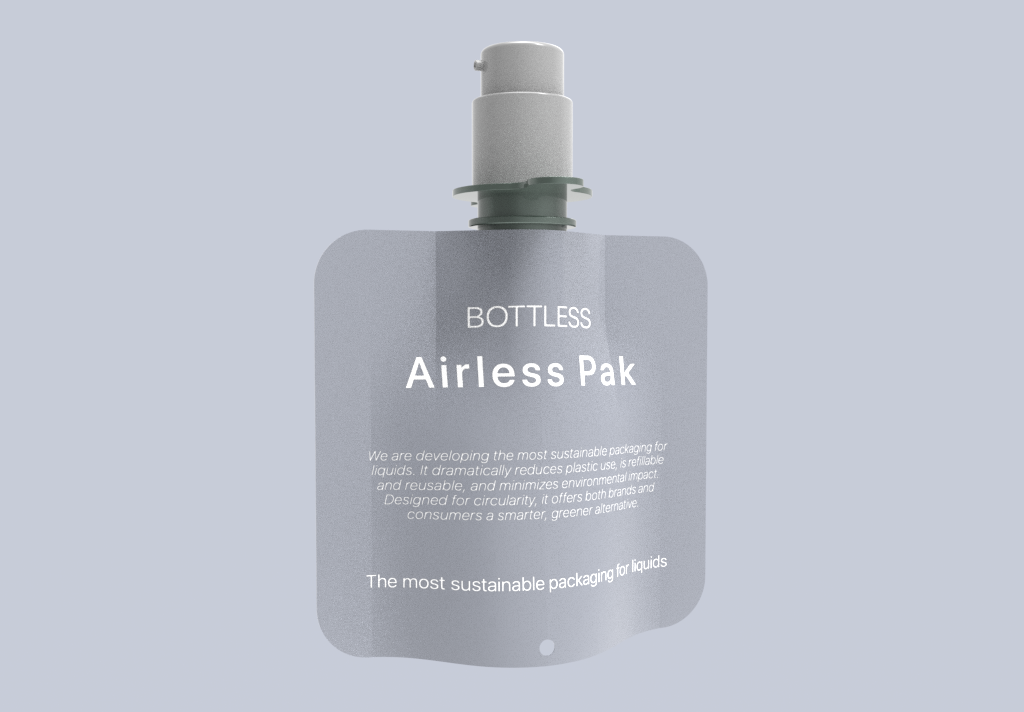
Assess material recyclability claims and infrastructure reality. Plastic bottles (PET, HDPE) claim 95%+ curbside acceptance but achieve only 29-30% actual recycling rates requiring honest assessment. Glass recycling rates vary 30-80% by region and color. Mono-material flexible packets technically recyclable through store drop-off achieve under 5% actual recovery. Compostable packets require industrial composting infrastructure (20% population access). Request How2Recycle labeling or similar standardized disposal instructions, verify regional recycling program acceptance for specific materials and formats, and develop realistic expectations about actual recovery versus technical recyclability. For refillable systems, validate consumer return rates from pilot programs or similar products determining whether claimed waste reduction materializes through actual consumer participation.
Confirm filling line compatibility and operational requirements. Sustainable packaging must integrate with existing production equipment without major capital investment or efficiency losses. Verify compatibility with form-fill-seal equipment for packets (heat sealing parameters, production speeds), bottle filling lines (neck finish, closure compatibility, fill speeds), and quality assurance systems (metal detection, seal integrity testing, weight verification). Some sustainable materials require different processing parameters than conventional packaging (sealing temperatures, cooling times, line speeds). Request material specifications, filling guidelines, and technical support during trials. Suppliers offering production trials or equipment compatibility testing reduce transition risks. Evaluate whether sustainable alternatives maintain target production rates (packets per minute, bottles per hour) versus conventional materials affecting manufacturing capacity and costs.
Balance sustainability goals with cost realities and market positioning. Sustainable condiment packaging typically costs more than conventional alternatives requiring strategic decisions. PCR plastic bottles cost 10-30% more than virgin, glass costs 2-4x plastic, aluminum costs 2-4x plastic, mono-material packets cost 20-40% more than traditional laminates, compostable packets cost 40-80% more, and refillable systems require upfront dispenser investment. Calculate total cost including material costs, potential shelf life reduction impacts, filling line efficiency changes, and customer disposal experience. Some premium brands absorb premiums through pricing. Mainstream brands may adopt hybrid approaches (sustainable for retail where consumers value it, conventional for foodservice where economics dominate). Bulk packaging and refill systems deliver cost savings long-term despite upfront investment. Balance environmental goals with business viability and honest assessment of which sustainability improvements deliver meaningful environmental benefits versus which primarily serve marketing positioning.
Are condiment packets recyclable?

Are glass bottles better than plastic for condiments?