

Featured Solutions and Suppliers
Interested in a solution? Click "View Supplier" to learn more about the supplier.



What are Recyclable Shampoo Bottles
Before we dive into how to choose the right recyclable shampoo bottle supplier, let's define what we're actually talking about.
Recyclable shampoo bottles are rigid containers designed to be collected by curbside recycling programs, sorted at MRFs, processed into clean material, and manufactured into new products. This is a packaging success story with multiple options that work well.
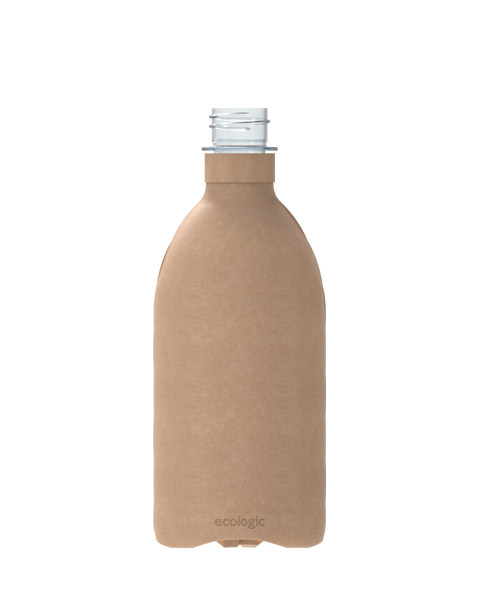
HDPE (#2) and PET (#1) bottles remain the gold standard with over 90% curbside acceptance. These match existing milk jug and water bottle recycling streams, which means they benefit from mature, standardized infrastructure. Preparation is simple: empty, rinse out shampoo residue (which rinses easily without grease complications), and handle pumps based on type.
Traditional pumps (typically #5 PP plastic combined with metal springs or glass balls) are not curbside recyclable and should be discarded or returned through take-back programs. This has been the weak point in shampoo bottle recyclability, requiring "discard pump, recycle bottle" instructions.
Mono-material PE pumps are now commercially available and solve this problem. These pumps use only PE components (no metal springs or glass balls) that shred and recycle with PE bottles. Durability reaches 3,000+ cycles, making them suitable for standard use. This creates a true mono-material system where consumers can recycle pump and bottle together without separation.
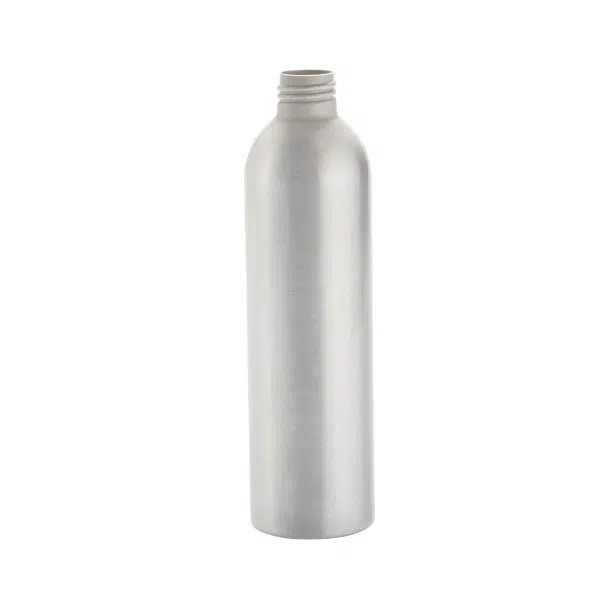
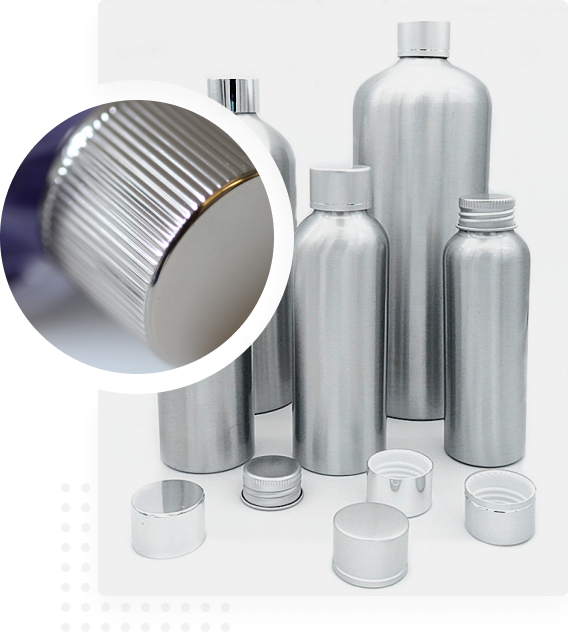
Aluminum bottles offer infinite recyclability at roughly 95% efficiency in closed-loop systems. Aluminum recycles back to aluminum indefinitely without quality degradation, unlike plastic which downcycles to lower-value applications each cycle. Premium brands use aluminum for superior circularity plus perceived quality. These work with either mono-material metal screw caps (recycle together) or traditional pumps (remove before recycling).
How to Choose Recyclable Shampoo Bottles
With all these sustainable options, which one should you actually choose? Every supplier, manufacturer, and converter will tell you why you should buy their product, so you need some intel before those conversations to make sure you're making the right decision based on your situation.
When evaluating suppliers, think about the 5 P's:
Price: Can you balance costs between standard HDPE/PET with traditional pumps, mono-PE systems, and premium aluminum options?
Performance: Will bottle and pump combination meet your formulation requirements, durability needs, and brand positioning?
Preference: Does standard recyclable, mono-material, or infinitely recyclable aluminum best align with your sustainability messaging?
Proof: Can they provide documentation of pump recyclability (mono-material only) or metal acceptance rates for aluminum?
Partner: Will they support transitions to improved pump systems or help with take-back programs for traditional pumps?
Here's how to evaluate each for recyclable shampoo bottles.
Choose Between Standard, Mono-Material, or Aluminum Systems (Three Strong Options)
Standard HDPE or PET bottles with traditional pumps remain the most common and cost-effective option. Bottles achieve over 90% curbside acceptance when clean. Traditional pumps (PP with metal springs or glass balls) cannot be recycled curbside and require "remove pump before recycling" instructions or take-back programs. This works but creates consumer friction and leaves pumps as waste.
Mono-material PE pump plus PE bottle systems create true single-material recyclability. All components (bottle body, pump housing, actuator, dip tube) use PE without metal or glass parts. Consumers can recycle pump and bottle together in curbside programs without disassembly. Durability reaches 3,000+ cycles, suitable for standard shampoo viscosities. This is emerging technology that's scaling commercially and eliminates the traditional pump waste problem.
Aluminum bottles offer infinite recyclability where materials return to bottles rather than downgrading each cycle. Aluminum acceptance in metal recycling streams reaches roughly 95%. Pair with metal screw caps for complete recyclability (both go in metal stream together) or traditional pumps that require removal and disposal. Aluminum works best for premium positioning given higher costs but delivers strongest circularity story. Bottles last 100+ refill cycles, making them ideal for refill programs. Lighter weight than glass cuts shipping impacts by roughly 30%.
PCR content works across all formats. HDPE, PET, and PE bottles commonly use 50% to 100% post-consumer recycled content. Aluminum typically achieves 75% recycled content as industry standard. Higher percentages cost more but strengthen environmental messaging without affecting recyclability.
Ask packaging manufacturers: "Do you offer mono-material PE pump systems, and what are cost and performance comparisons versus traditional pumps and aluminum alternatives?"
Understand Pump Recyclability Options (Traditional vs Mono-Material)
Traditional pumps combine PP plastic with metal springs and sometimes glass balls to create dispensing mechanisms. These multi-material designs cannot be recycled in standard curbside programs because components can't be separated during processing. Metal springs jam sorting equipment, glass balls create contamination, and mixed materials reduce resin quality.
The standard approach for traditional pumps: instruct consumers to "remove pump before recycling bottle" and discard pumps in trash. Some brands partner with take-back programs that collect pumps for specialized recycling, allowing "100% recyclable packaging" claims when both bottle and pump have end-of-life pathways. This requires operational setup and consumer participation.
Mono-material PE pumps eliminate these issues. By using only PE for all components (housing, spring mechanism, actuator, dip tube), the entire pump can be recycled alongside PE bottles. Engineering innovations replace metal springs with PE spring mechanisms and eliminate glass check balls through alternative valve designs. Performance testing shows 3,000+ actuations, which exceeds typical shampoo bottle lifespan.
Consumer preparation becomes simpler with mono-material systems. No pump removal required. Just rinse bottle (pump attached) and recycle everything together in plastics stream. This removes a major friction point and increases likelihood of actual recycling versus disposal.
The trade-off: mono-material pumps currently cost more than traditional pumps due to newer technology and lower production volumes. As adoption scales, pricing should converge. For brands prioritizing genuine recyclability over cost, the investment delivers stronger sustainability outcomes and simpler consumer messaging.
Ask companies: "Are your PE pumps certified mono-material without metal or glass components, and can you provide durability testing data showing performance matches traditional pumps?"
Consider Aluminum for Premium Infinite Recyclability (Strongest Circular Story)
Aluminum bottles deliver the strongest recyclability story available for liquid personal care. Aluminum recycles back to aluminum indefinitely in closed-loop systems at roughly 95% efficiency. Unlike plastic, which downgrades in quality each recycling cycle and eventually becomes non-recyclable, aluminum maintains properties through unlimited recycling.
Practical advantages include easier consumer preparation (pump unscrews cleanly with no plastic residue concerns), direct placement in curbside metal or plastics streams depending on local sorting, durability for 100+ refill cycles if used in refill programs, and 30% lighter shipping weight versus glass alternatives.
Pairing options affect overall recyclability. Metal screw caps (aluminum or steel) recycle with bottles in metal streams, creating complete mono-material systems. Traditional PP pumps require removal before recycling, which reintroduces the separation friction point. Mono-material PE pumps technically work but go in different recycling streams than aluminum bottles, requiring separation anyway.
For maximum recyclability with aluminum, pair with metal screw caps rather than pumps. This creates a fully metal system where consumers recycle everything together. For products requiring pump dispensing, traditional pumps with clear removal instructions or take-back programs provide better consumer experience than mono-material PE pumps that still need separation.
Cost positions aluminum as premium. Material costs exceed HDPE or PET significantly. However, brands using aluminum typically serve premium market segments where sustainability investment aligns with price positioning and customer expectations. The infinite recyclability story justifies premium pricing for environmentally conscious consumers.
Ask converters: "What aluminum bottle options do you offer, and do you provide compatible metal screw caps or pump systems with clear recyclability guidance?"
Design Clear Consumer Instructions Based on System Choice (Format-Specific Messaging)
Labeling precision matters because different systems require different consumer actions. For standard HDPE or PET bottles with traditional pumps, instructions should read "Rinse bottle, remove pump, recycle #2 plastics curbside" with pump disposal guidance (trash or take-back program details).
For mono-material PE pump plus PE bottle systems, simplified messaging works: "Rinse bottle with pump attached, recycle with #2 plastics" since no disassembly is required. This clearer path increases consumer compliance and actual recycling rates.
For aluminum bottles with metal caps, instructions become "Remove cap, recycle bottle and cap with metals curbside" or if using pumps "Remove pump, recycle aluminum bottle with metals curbside." Metal preparation requires less rinsing because plastic residue concerns don't apply.
Visual aids improve compliance across all formats. Diagrams showing pump removal (when required), icons indicating which recycling stream (plastics, metals), QR codes linking to detailed disposal information, and confirmation of local program acceptance help consumers follow through.
The shift from traditional pumps to mono-material systems enables stronger claims. "Recycle pump with bottle" is simpler and more compelling than "Discard pump, recycle bottle only." This messaging advantage plus genuine recyclability improvement makes mono-material systems attractive despite higher initial costs.
Ask packaging partners: "What labeling templates do you provide for different pump and bottle combinations, and can you help verify claims match actual recyclability?"
Evaluate Refill and Package-Free Alternatives (Still Higher Impact)
While recyclable bottles with improved pumps represent major progress, refill systems and package-free formats still deliver better environmental outcomes. Aluminum bottles paired with refill programs combine infinite recyclability with reuse, reducing packaging by 80% to 90% per use cycle while eliminating single-use waste entirely.
Refill economics favor aluminum over plastic due to durability. Aluminum bottles survive 100+ refill cycles versus plastic's degradation over multiple uses. Initial cost premium gets amortized across many refills. Lighter weight than glass reduces shipping impacts by roughly 30% for concentrate refills or in-store dispensing.
Shampoo bars eliminate bottles and pumps entirely. Solid concentrated shampoo in minimal paper packaging weighs roughly 10 times less than liquid equivalents, requires no plastic, ships more efficiently, and generates zero packaging waste at end of life. Growing consumer acceptance and improved formulations make this viable for brands willing to educate on usage.
Different formats serve different brand positioning and customer needs. Mass market may stick with recyclable bottles for familiarity and convenience. Premium sustainability-focused brands can differentiate through aluminum refills or package-free bars. Many brands offer multiple formats to serve diverse customer preferences and use cases.
The ideal portfolio approach: recyclable bottles with mono-material pumps as accessible entry point, aluminum bottles with refills for premium sustainability tier, and bars or concentrates for package-free enthusiasts. This serves full spectrum while driving industry toward better solutions.
Ask suppliers: "Can you support refill systems with durable aluminum bottles, and what infrastructure or operational changes would refill or package-free formats require?"
