

Common Coffee Packaging Formats and Suppliers
Interested in a solution? Click "View Supplier" to learn more about the supplier.








.png)


-1.png)
Packaging Options for Coffee Brands
Coffee packaging falls into four main formats, each with different sustainability implications and barrier performance trade-offs.
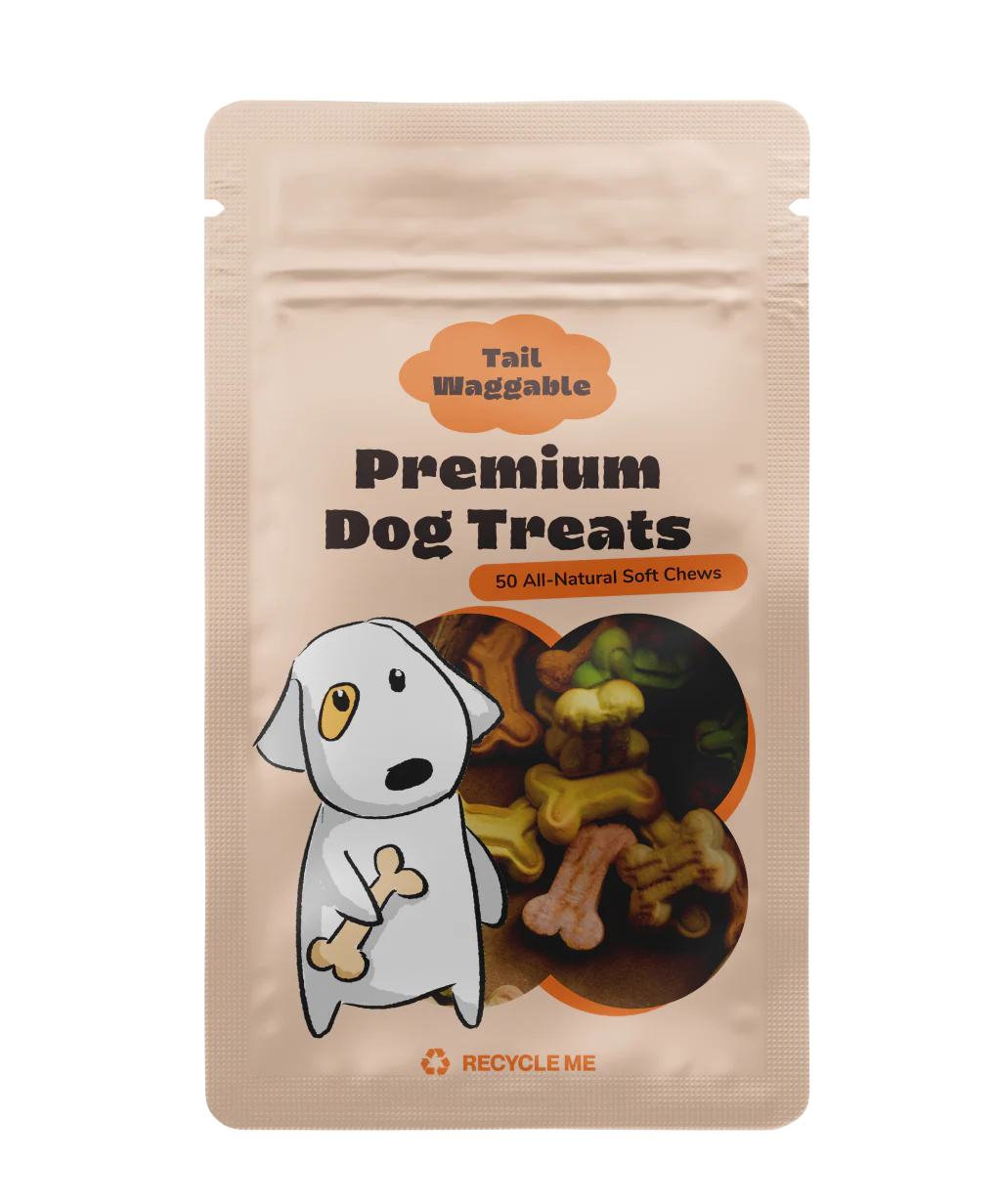
Flexible plastic pouches (traditional standard) use PET/PE laminates, PET/aluminum/PE, or metallized films in quad seal bags, flat bottom bags, stand-up pouches, and side-gusset formats. These provide excellent oxygen and moisture barrier protection with low material weight and cost efficiency, including degassing valves allowing CO₂ release while preventing oxygen ingress. However, most traditional coffee bags aren't recyclable because multilayer laminates combine materials that can't be separated, achieving less than 1% recovery even when labeled "recyclable" requiring store drop-off systems with low participation.
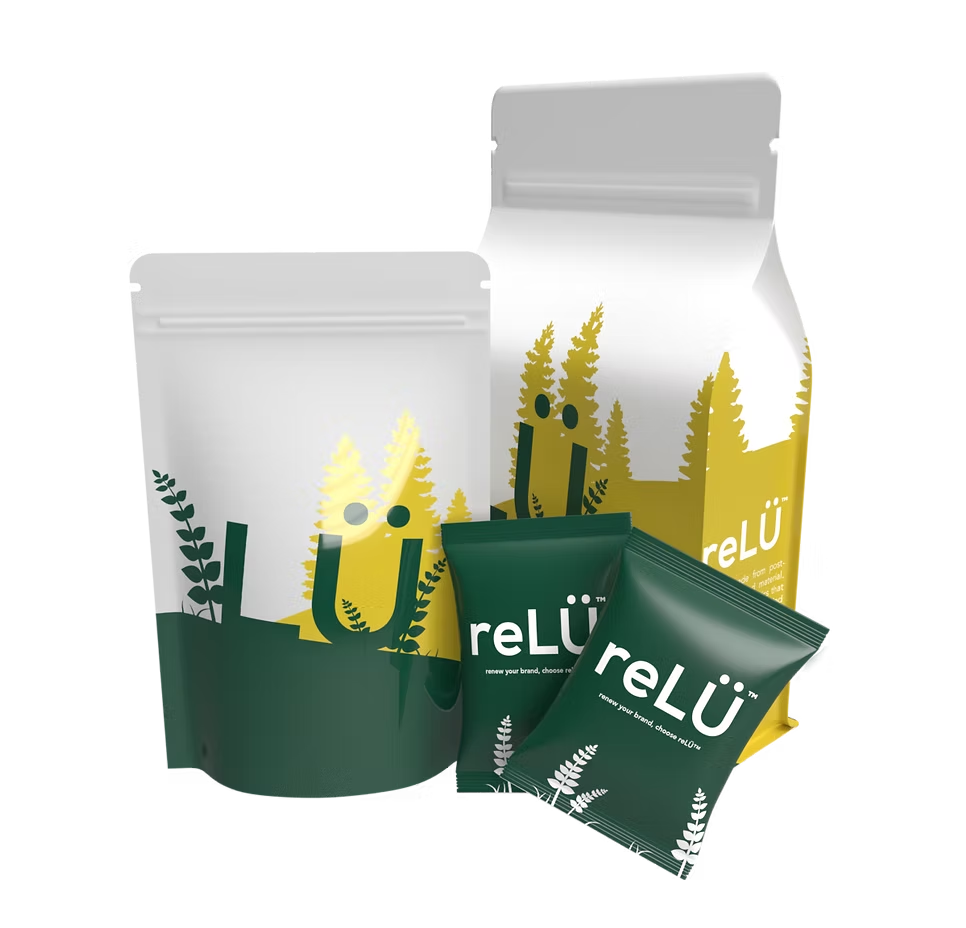
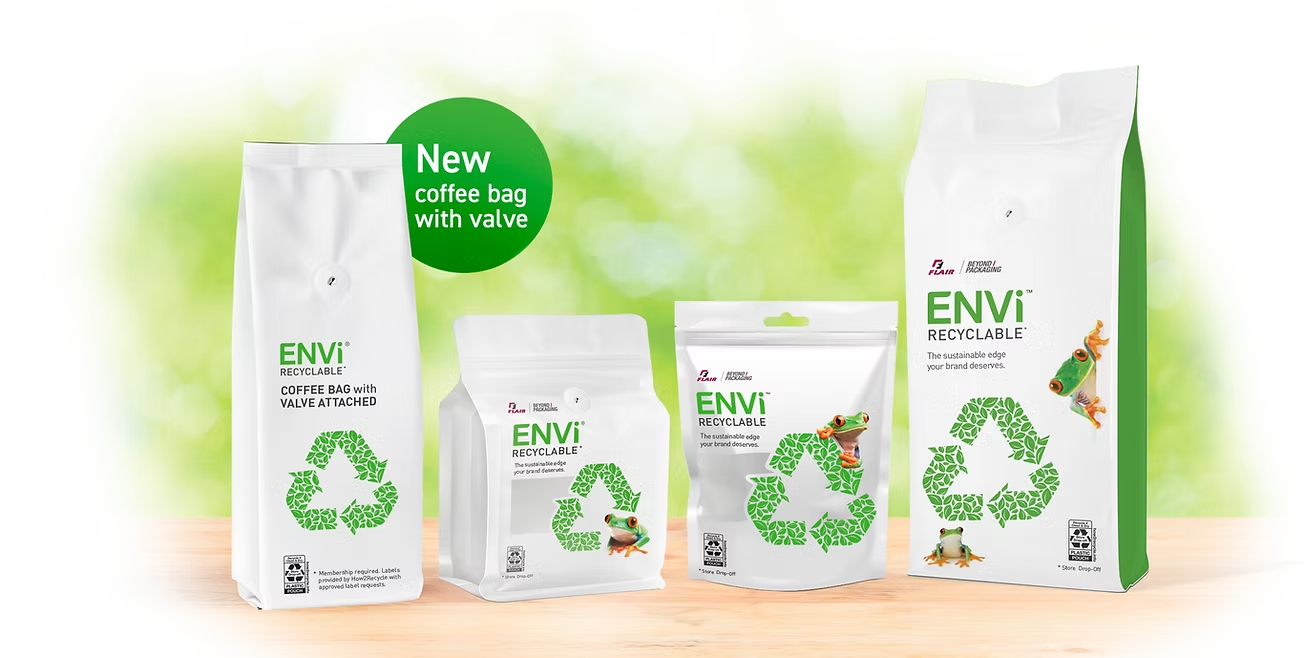
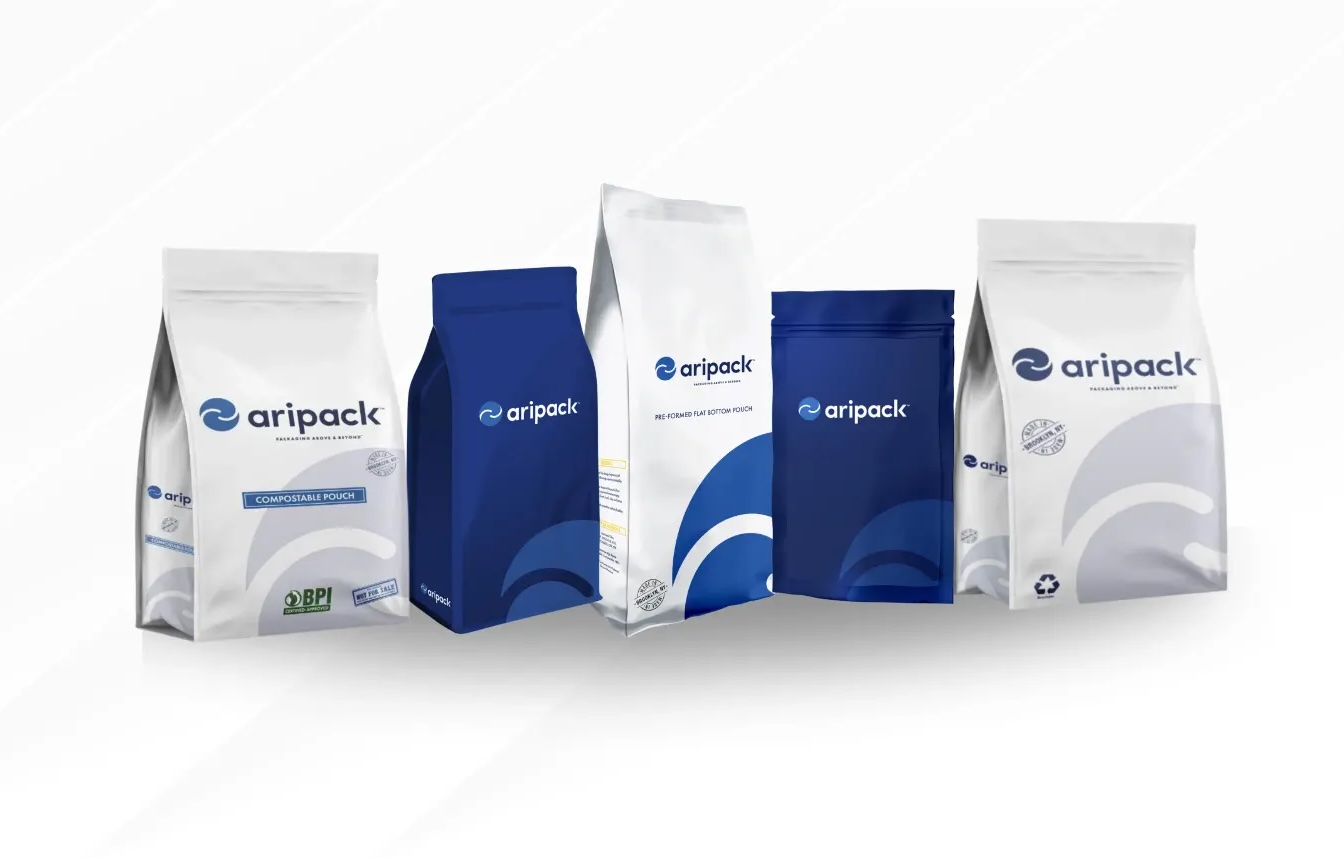
Recyclable mono-material pouches represent the most promising improvement. PE/PE or PP/PP laminates with high-barrier polyethylene films replace complex laminates with single polymer families enabling easier recycling through store drop-off streams (same system as plastic grocery bags). Advanced coatings and film technologies allow mono-material structures to approach traditional barrier performance, though results vary by supplier. These maintain familiar pouch formats compatible with many filling lines and are increasingly available from North American suppliers.
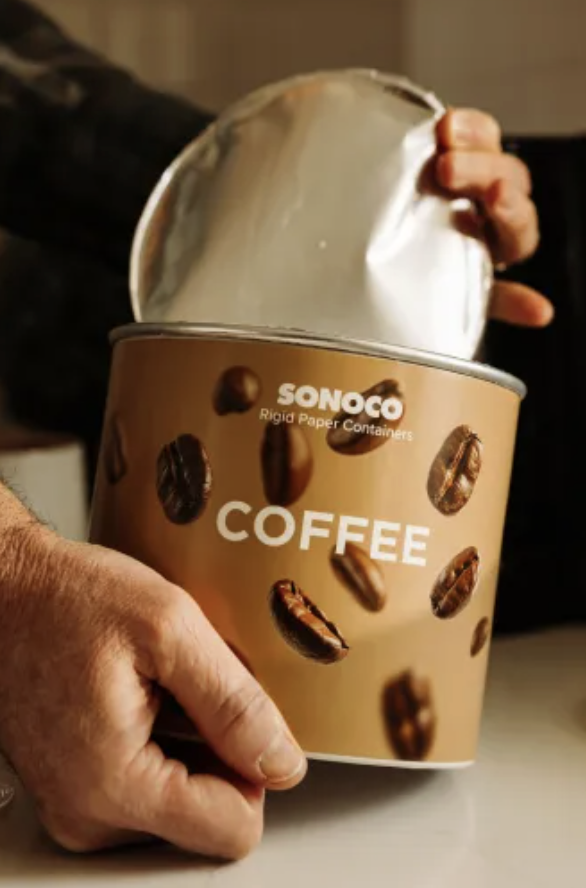
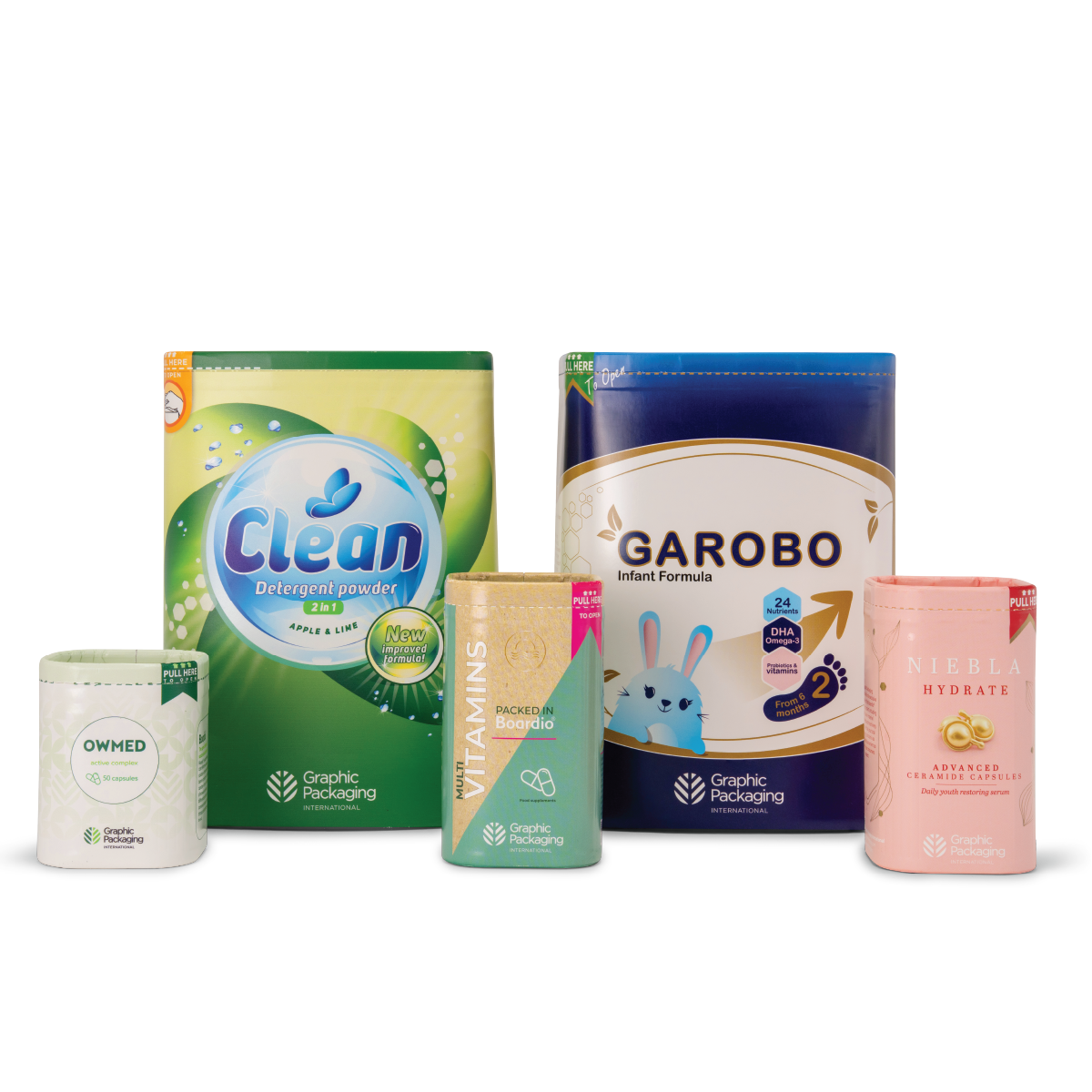
Paper-based coffee packaging signals sustainability visually but requires internal coatings or liners for barrier protection. Paper/PE laminates, paper/biopolymer linings, or paper/metallized barrier layers often aren't truly recyclable or compostable despite consumer perception because laminated plastic layers can't process in standard paper recycling. Emerging innovations use water-based coatings, mineral barrier layers, or compostable liners, though scalability remains limited. Paper delivers strong consumer sustainability perception and reduced plastic appearance but may compromise barrier protection and typically costs more.
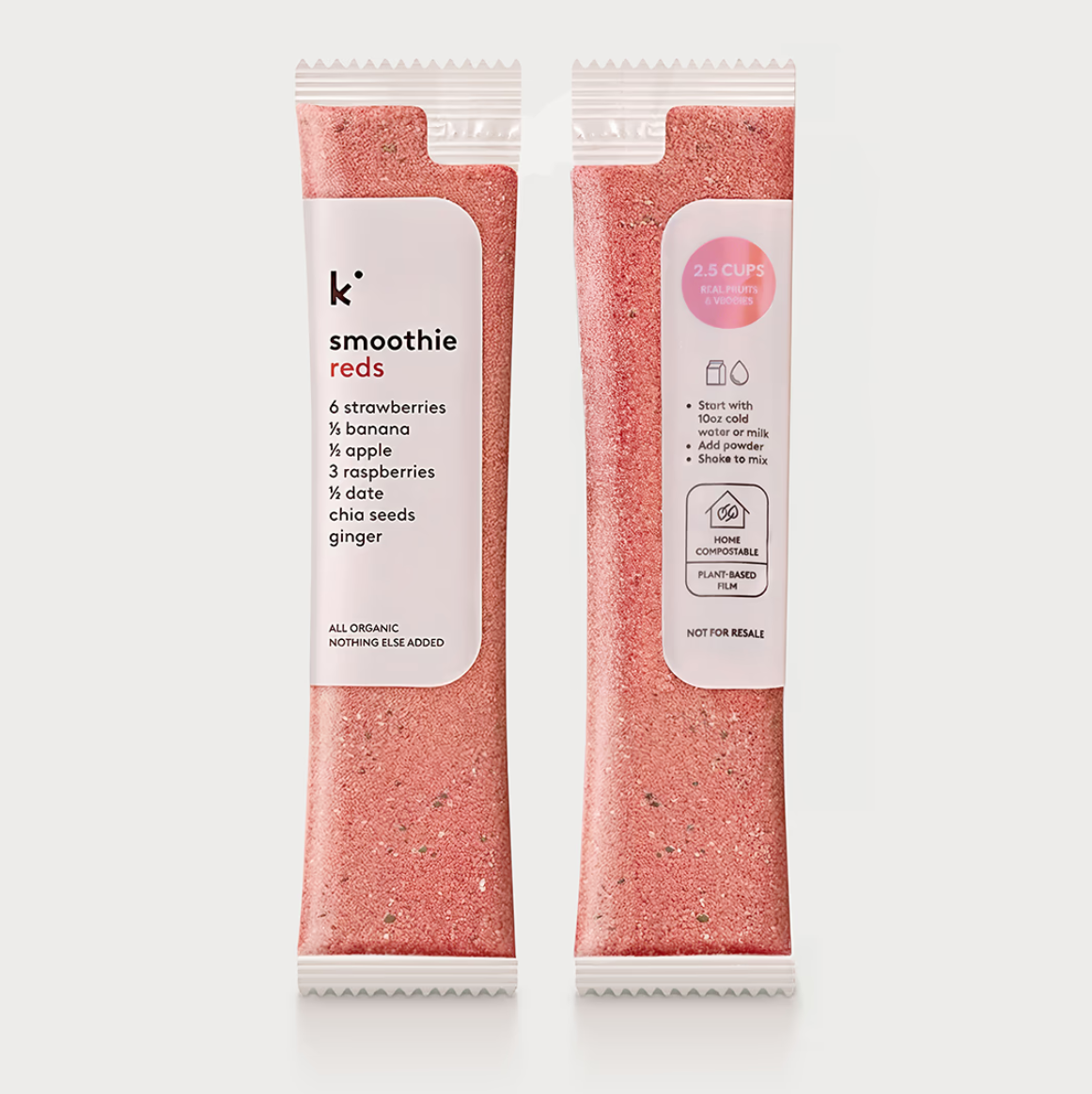
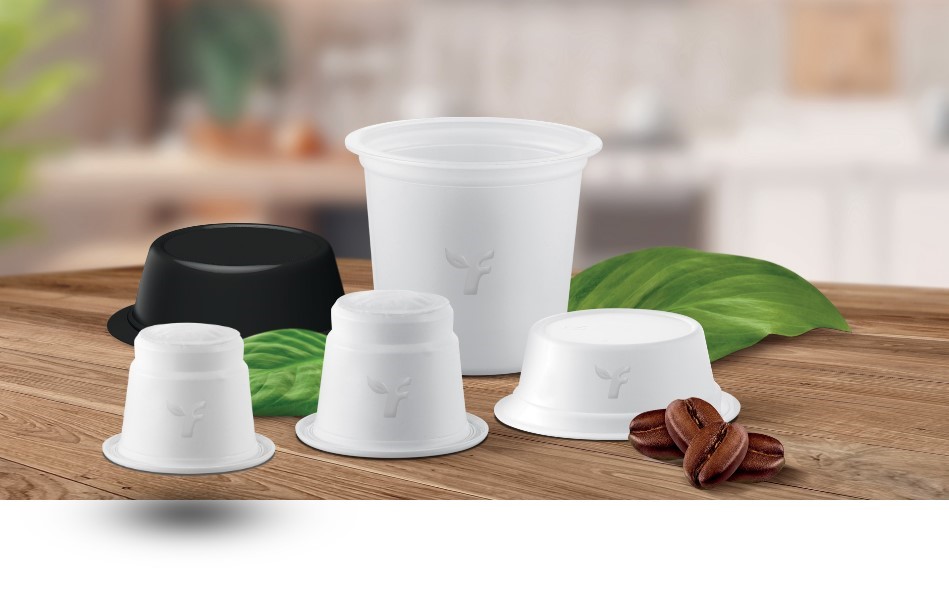
Compostable coffee packaging uses PLA (polylactic acid), cellulose films, or plant-based barrier coatings designed to break down in industrial composting environments. However, North American industrial composting infrastructure remains very limited (most consumers lack access to facilities processing these materials), and compostable films often deliver lower oxygen and moisture barrier performance than traditional laminates, potentially limiting shelf life. These offer renewable materials and attractive sustainability stories but face higher costs and consumer confusion about disposal.
Key Packaging Challenges for Coffee
Coffee packaging decisions must account for technical realities that impact product quality and shelf life.
Oxygen sensitivity drives material requirements. Coffee rapidly loses aroma and flavor when exposed to oxygen, with even small exposure degrading product quality. High-quality coffee packaging must maintain extremely low oxygen transmission rates (OTR), which is why aluminum and metallized films became industry standard. Sustainable alternatives must match this performance to prevent quality loss.
Degassing requirements create complexity. Freshly roasted coffee releases carbon dioxide for several days after roasting. Without degassing valves, gas buildup causes packaging to balloon, burst, or compromise seals. Valves are critical for whole-bean coffee but introduce recyclability challenges because they're often made from different plastic resins than the pouch, requiring separation or contaminating recycling streams.
Shelf life expectations typically target 6 to 12 months for retail coffee, even though freshness peaks earlier. Packaging must protect quality throughout distribution and retail storage, meaning sustainable materials must still meet these performance expectations without compromising coffee or increasing waste through shortened shelf life and markdowns.
Moisture and light protection prevent degradation. Moisture exposure causes flavor degradation, encourages mold, and damages roasted beans, requiring strong moisture vapor transmission rate (MVTR) barrier performance. UV and visible light accelerate oxidation, so most coffee packages include metallized layers, pigmented films, or opaque coatings rather than clear packaging.
Filling line compatibility affects operational feasibility. Switching packaging materials can require changes in sealing temperature, seal pressure, machine settings, and filling speeds. Brands must confirm new packaging works with their co-packer or internal equipment before committing to large production runs, as compatibility issues can halt production or compromise seal integrity.
How to Choose a Coffee Packaging Supplier
Choosing the right supplier is often more important than choosing the material itself because coffee packaging is performance-critical.
Barrier performance data must be verified, not claimed. Request lab-tested oxygen transmission rate (OTR) and moisture vapor transmission rate (MVTR) specifications showing how well packaging protects coffee from degradation. Suppliers should provide actual test data, not marketing claims about barrier performance. These numbers directly indicate whether packaging can maintain coffee quality through target shelf life.
Degassing valve quality varies significantly by manufacturer. Ask suppliers who makes the valve, whether it's compatible with the film structure, and if it's been tested specifically with roasted coffee. Reliable valves prevent oxygen ingress while efficiently releasing CO₂, but poor-quality valves can leak, fail to seal, or allow oxygen infiltration compromising product freshness.
Material compatibility testing prevents costly mistakes. Before committing to large production runs, conduct seal strength testing, shelf life testing, and product compatibility testing. Coffee oils can interact with certain films, and different roast profiles affect gas release rates. Testing with actual product under real storage conditions validates that packaging performs as expected.
Supply chain stability matters for operations. Ask where packaging is manufactured, what lead times are, and whether domestic production options exist. Many brands prefer North American suppliers to reduce logistics risk, improve responsiveness, and avoid supply disruptions. International suppliers may offer lower costs but create vulnerability to shipping delays and minimum order requirements.
Minimum order quantities (MOQs) affect cash flow and flexibility. Packaging suppliers often require large MOQs that create excess inventory, cash flow pressure, and design inflexibility for emerging brands. Some suppliers offer short-run digital printing or lower MOQs better fitting smaller brands, while others require tens of thousands of units per SKU making design changes expensive.
Sustainability transparency separates real improvements from greenwashing. Ask suppliers what specifically makes packaging more sustainable, whether it's recyclable in actual systems (not just theoretically), and if third-party certifications verify claims. Avoid vague terms like "eco-friendly," "green packaging," or "planet-safe" without specific material structures and disposal pathways documented.
