

Featured Solutions and Suppliers
Interested in a solution? Click "View Supplier" to learn more about the supplier.












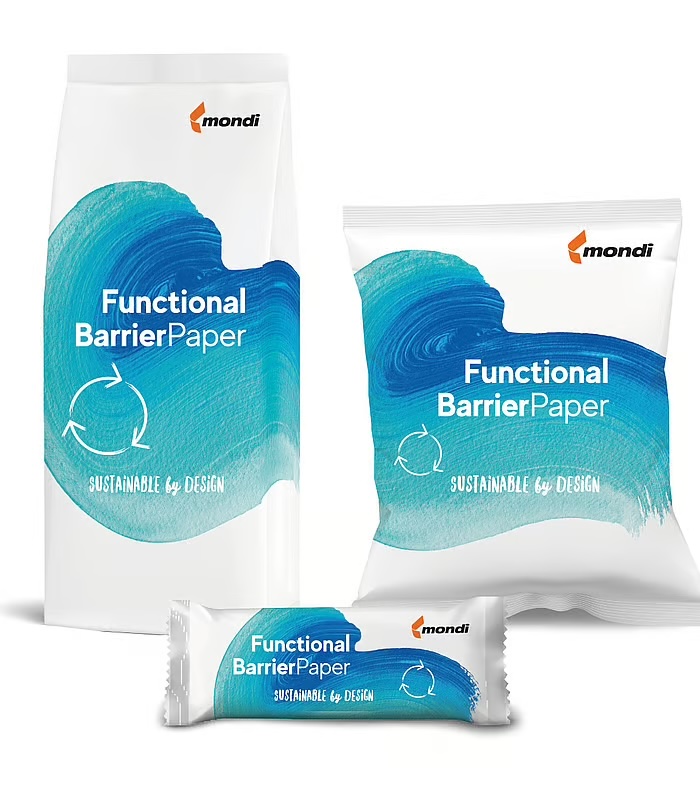

Sustainable Snack Packaging Formats and the Materials Behind Them
Snack packaging operates across four distinct format groups that serve different products and require different sustainability approaches. The center of gravity in this category is flexible bags because they represent the majority of snack packaging volume and carry the most significant recyclability challenges, but understanding all four formats gives buyers a complete picture before approaching suppliers.
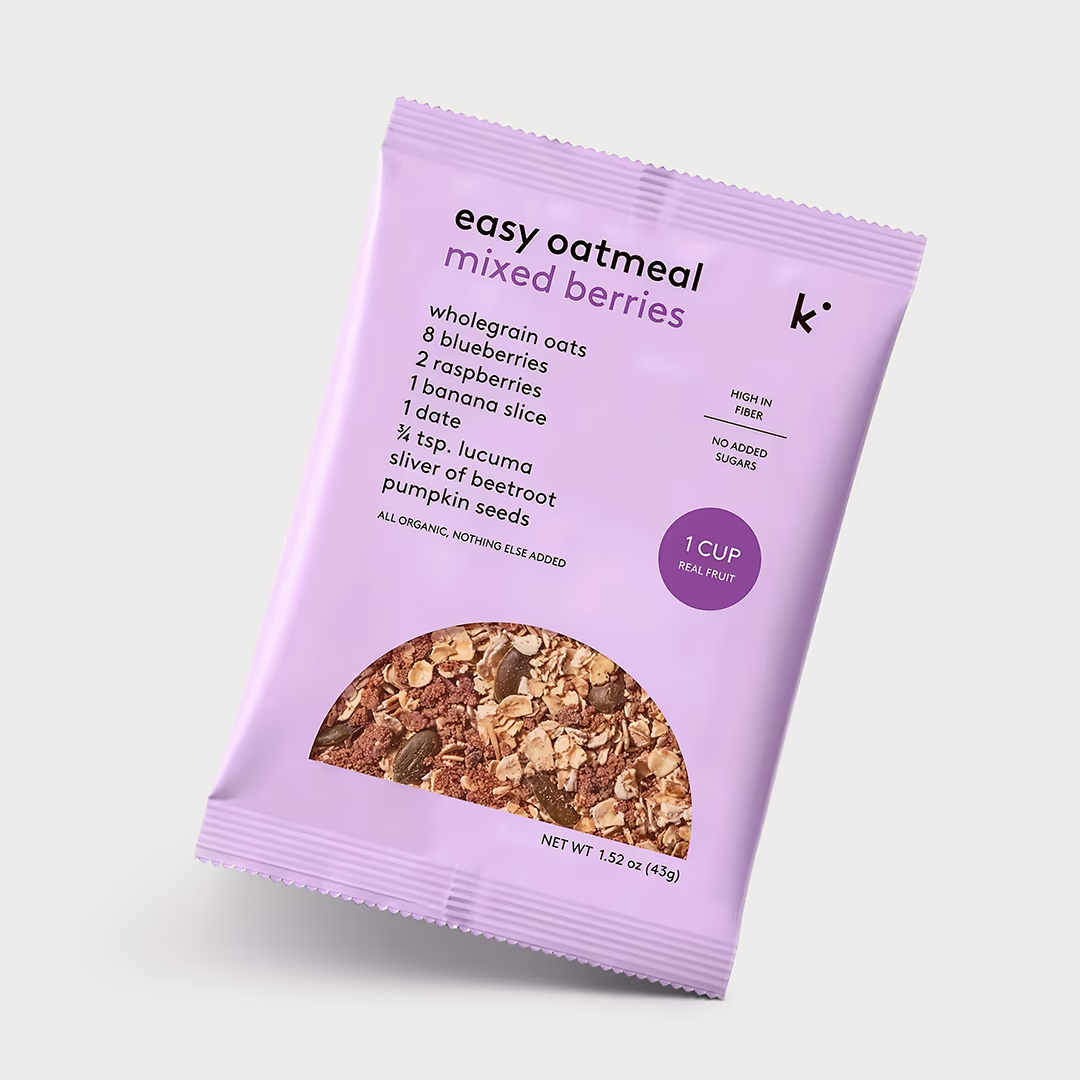
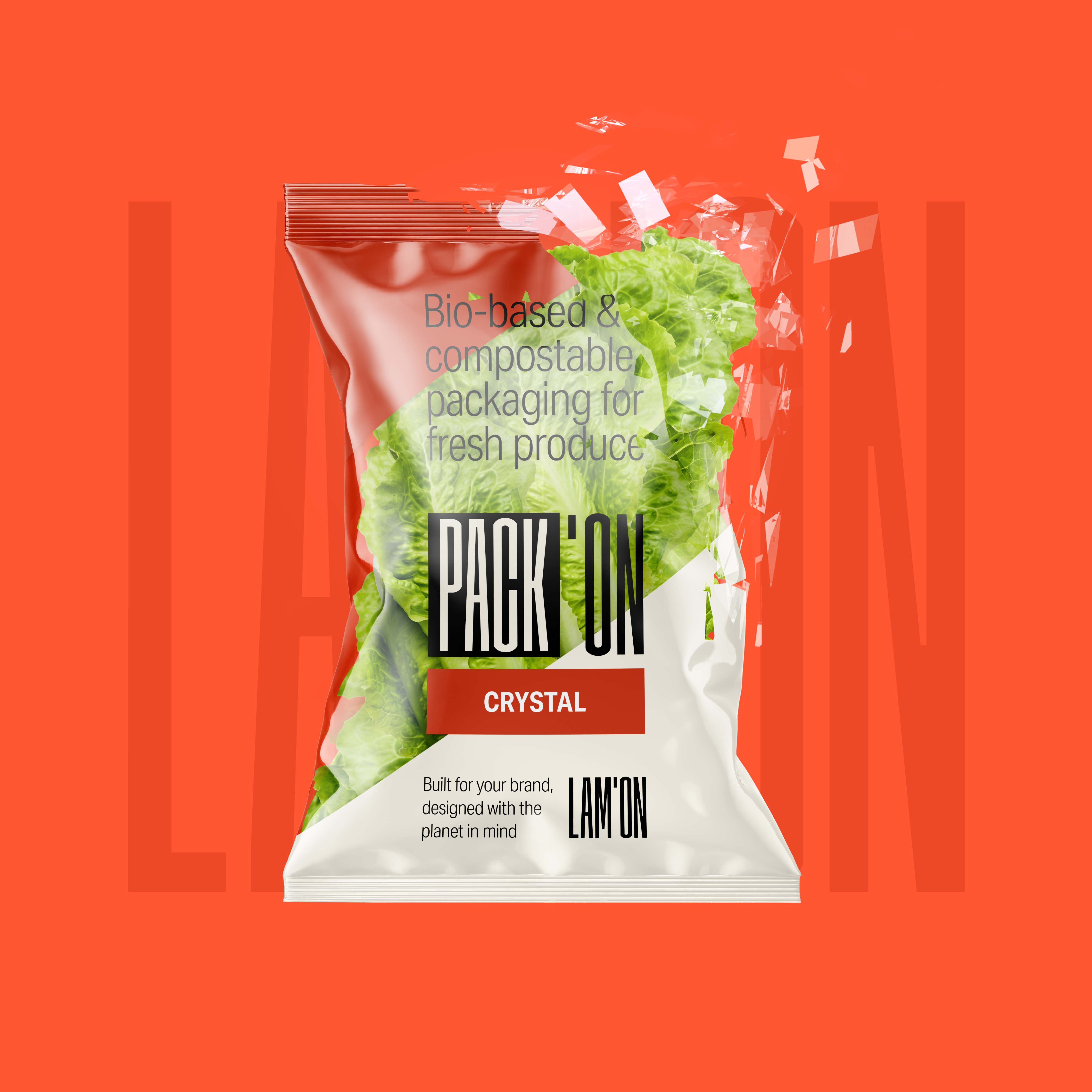
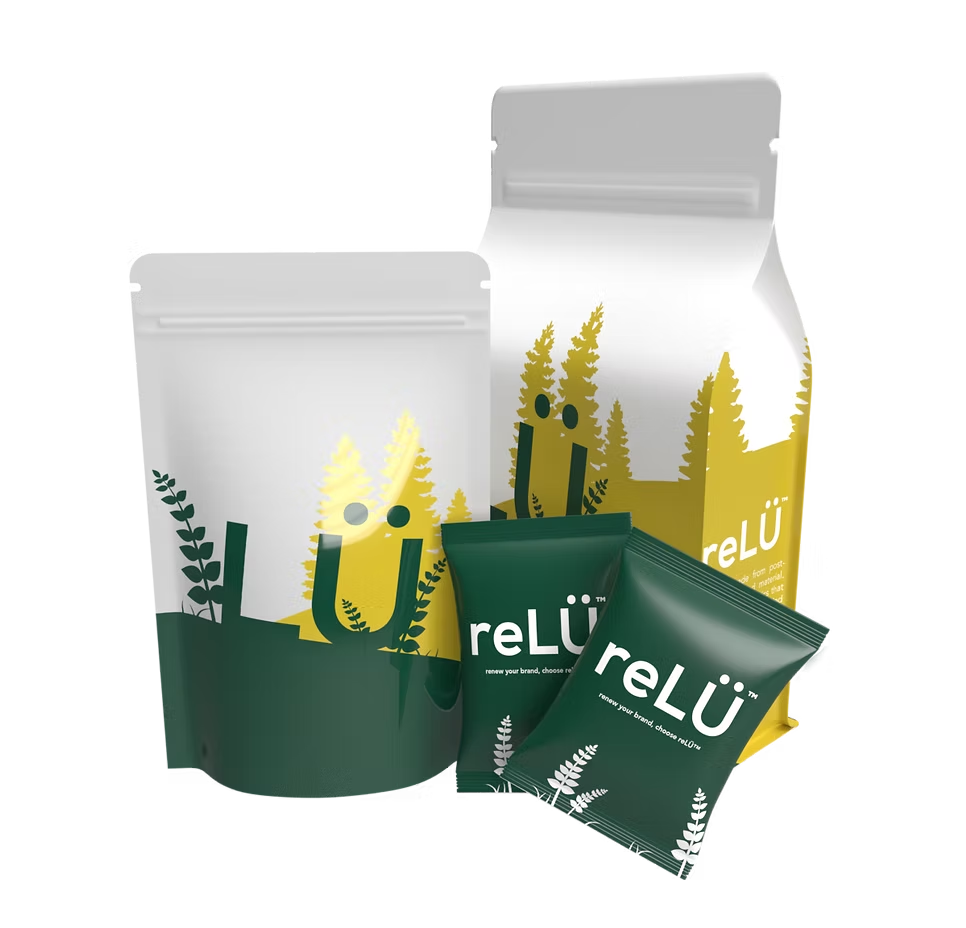
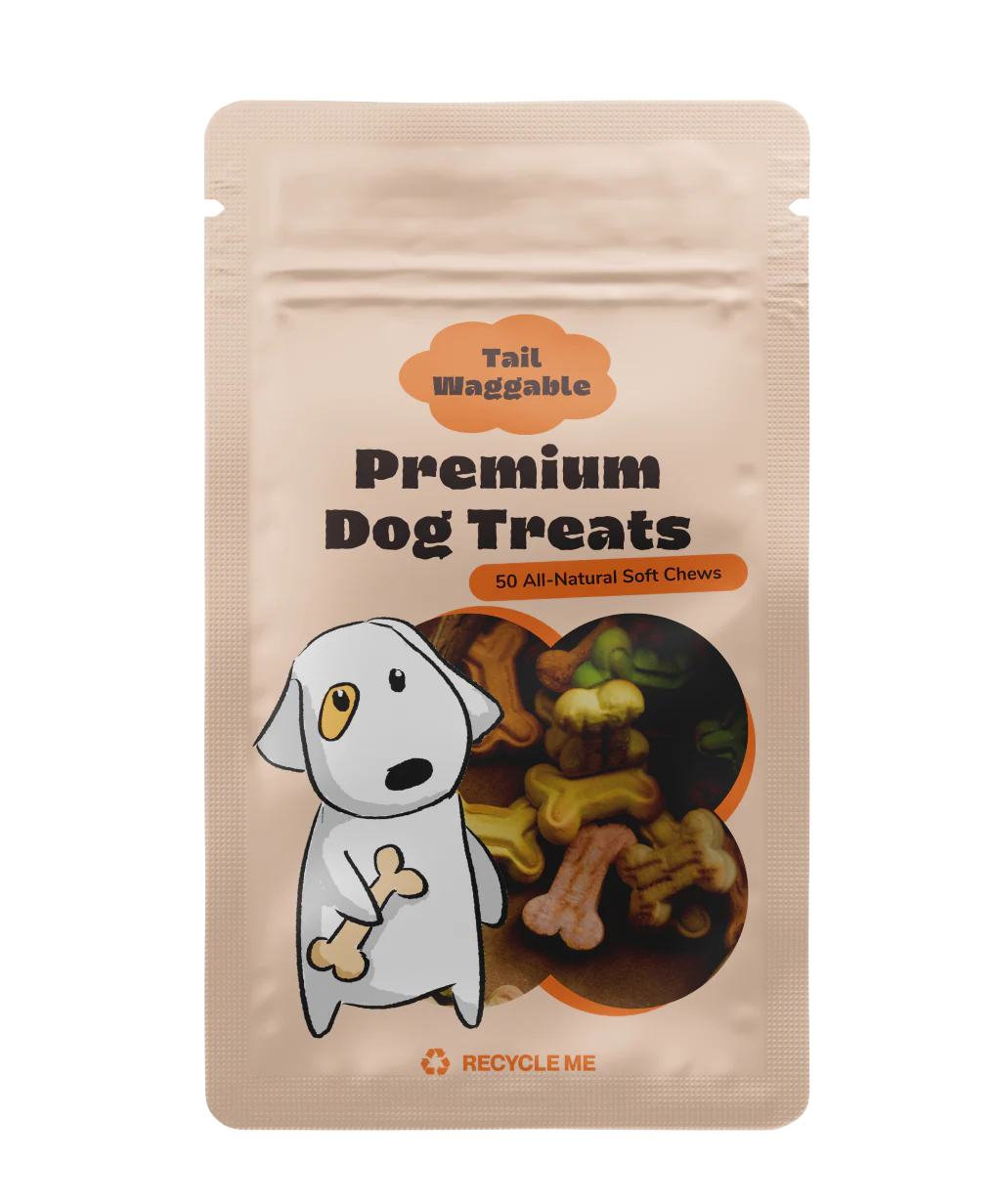
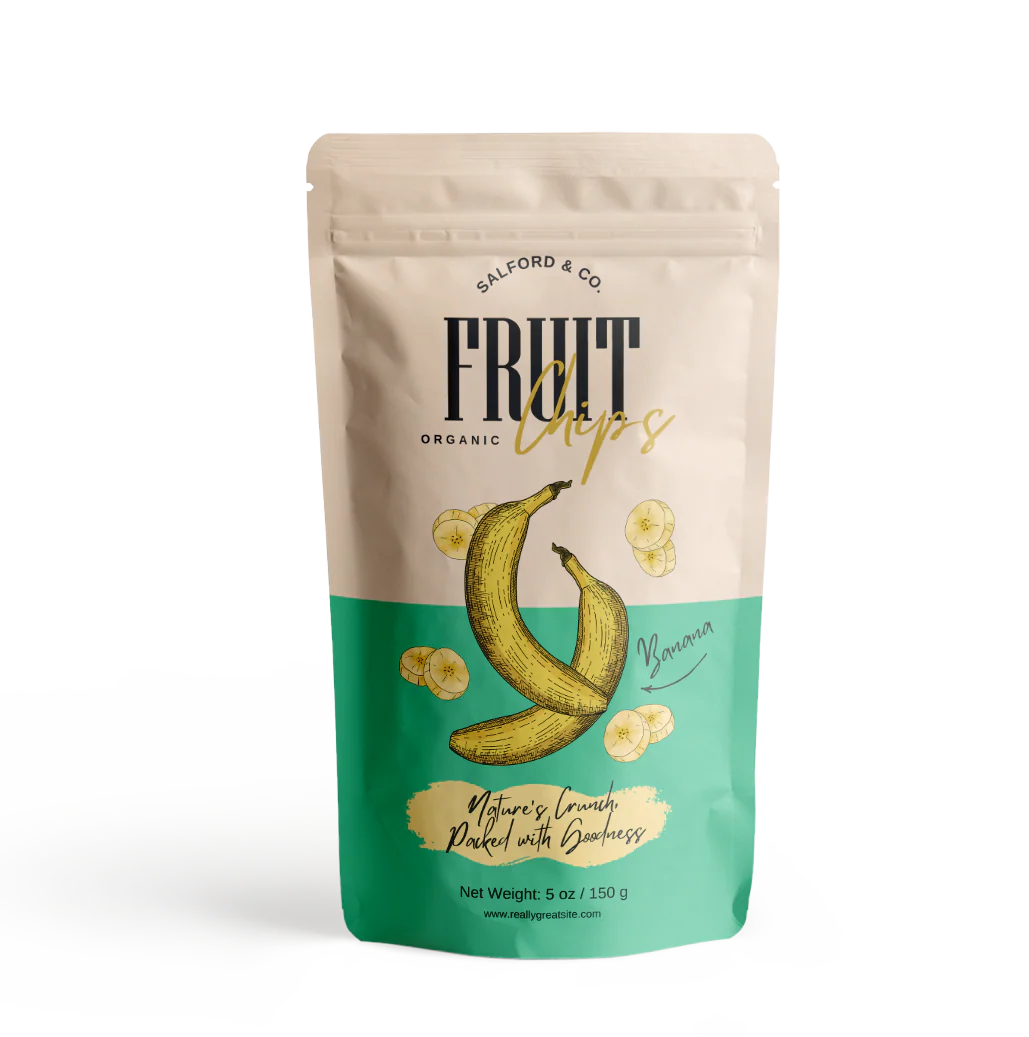
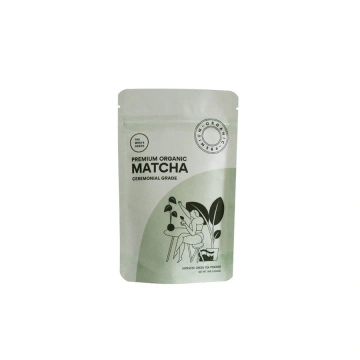
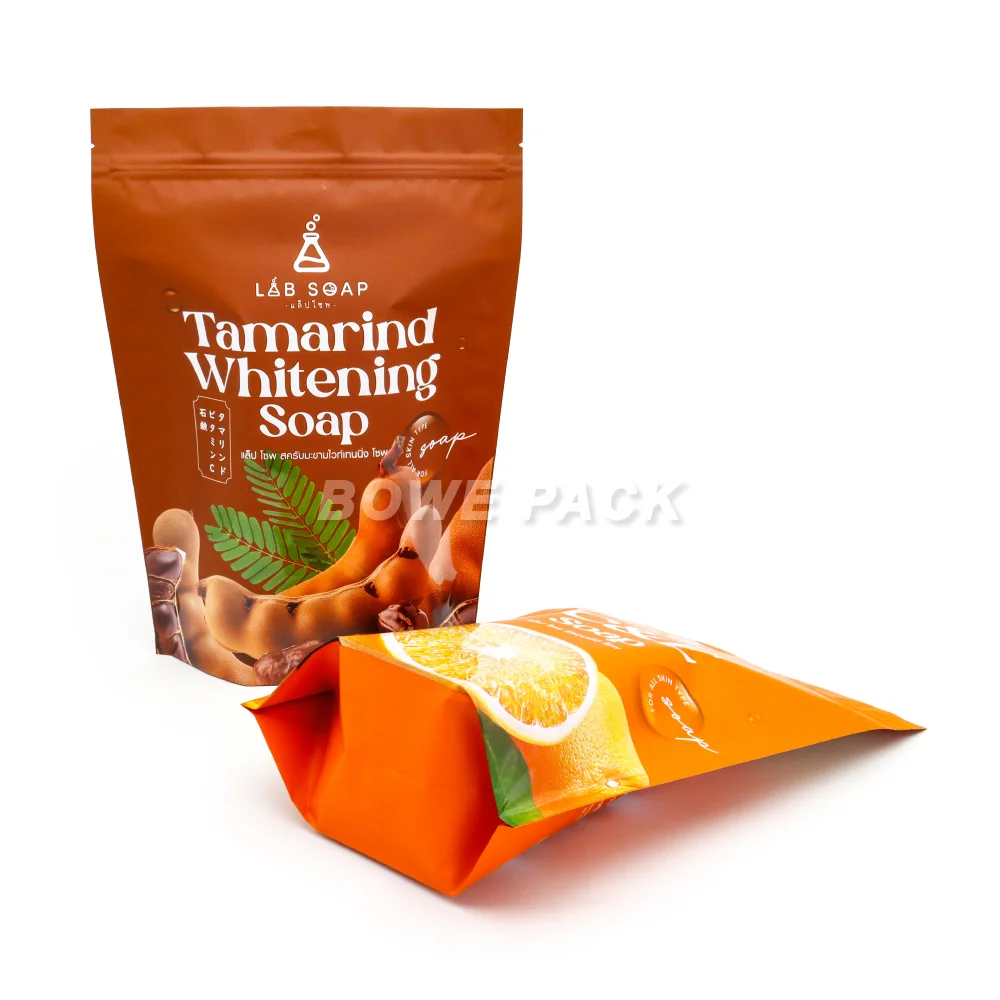
Flexible snack bags are the dominant format for chips, pretzels, popcorn, trail mix, nuts, and crackers. Pillow bags sealed at the back seam and both ends are the most common structure, with stand-up pouches featuring resealable zippers used for products sold for multiple servings. The conventional version of both uses a multilayer laminate combining PET for structure and print surface, aluminum foil or EVOH for oxygen and moisture barrier, and polyethylene for sealability. This combination delivers excellent barrier performance but creates a composite structure that mechanical recycling cannot process. Flexible snack bags account for a disproportionate share of the packaging waste conversation in this category precisely because the volume is enormous and the recyclability problem is structural rather than incidental. The sustainable transition here moves in three directions: recyclable mono-material films (typically all-PE or all-PP) that trade some barrier performance for end-of-life simplicity, paper-based flexible pouches with PFAS-free barrier coatings that reduce plastic content significantly, and compostable films certified to industrial or home compostable standards for brands making stronger sustainability claims.
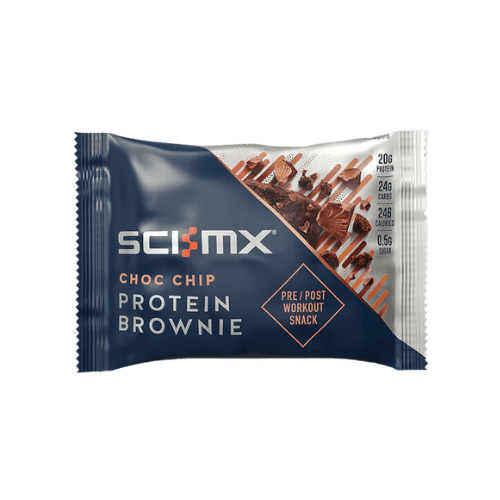
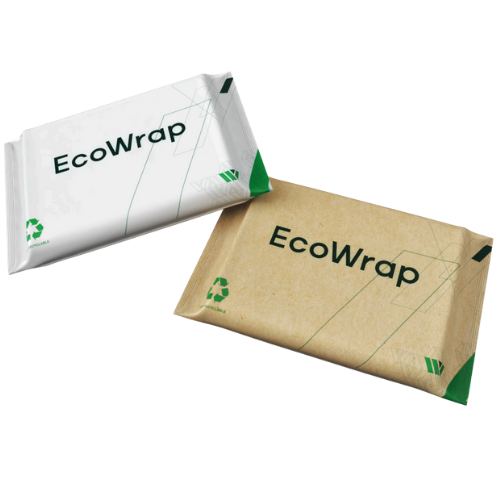
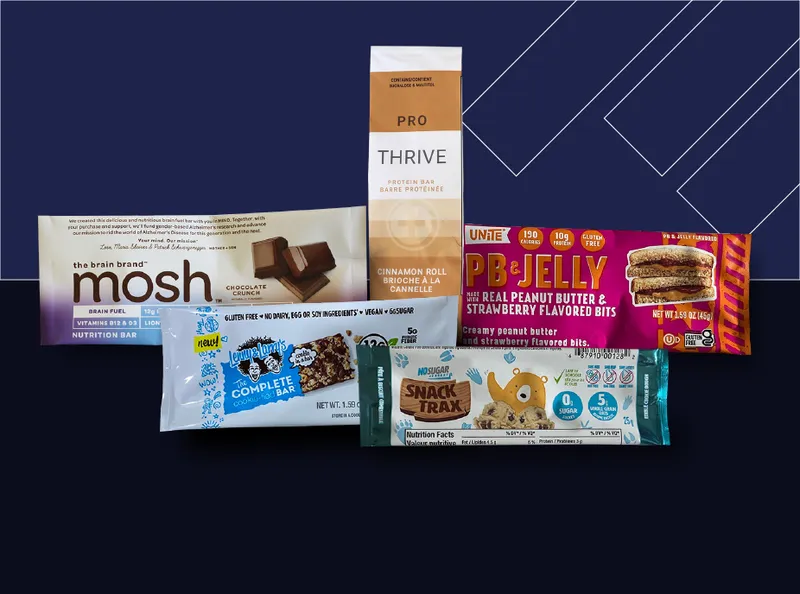
Flow-wrapped snack bars for granola bars, protein bars, and similar formats use horizontal form-fill-seal equipment and face the same multilayer recyclability challenge as pillow bags. Paper flow-wraps with water-based or bio-based barrier coatings are one of the most actively developing areas in snack packaging right now because they can run on standard wrapping equipment without significant retooling and reduce plastic content by 50 to 80 percent compared to conventional laminates. The SunChips compostable bag launched in 2010 is a useful historical reference here: it was functionally compostable but generated widespread consumer complaints about the stiffness and noise of the material and was largely pulled from the market, demonstrating that sustainable snack packaging must match conventional performance expectations across all consumer-facing dimensions, not just barrier and shelf life.
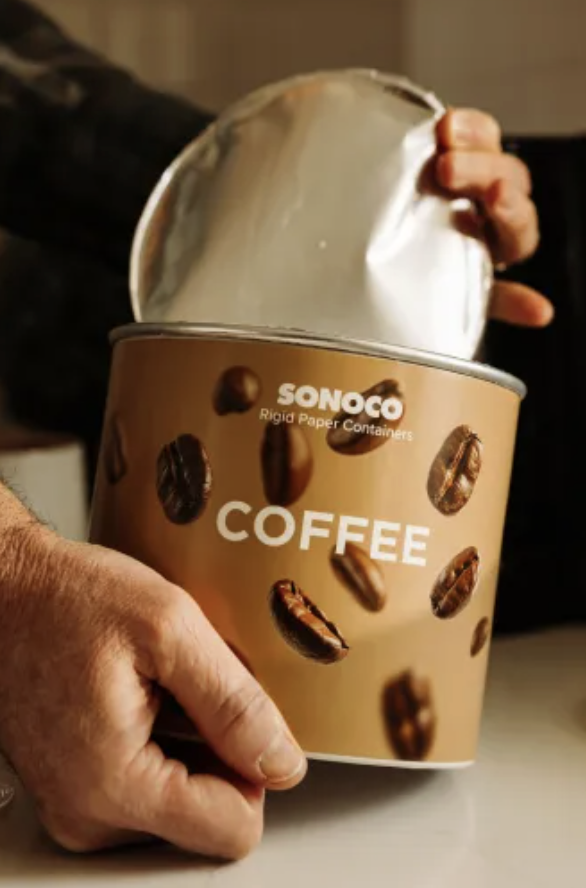
Rigid snack containers for peanuts, mixed nuts, snack mixes, and similar products represent the most straightforward sustainability transition in the snack category because the formats involved (metal cans, rPET jars, PP tubs) all have established recycling infrastructure. Metal cans are infinitely recyclable and have among the highest recovery rates of any packaging format. rPET jars incorporate post-consumer recycled content and are compatible with rigid PET recycling streams. PP tubs are recyclable where polypropylene is accepted in curbside programs. For snack brands currently using rigid packaging, the primary sustainability lever is specifying recycled content (rPET, recycled PP, steel with recycled content) and ensuring closure and label materials do not compromise recyclability of the primary container.
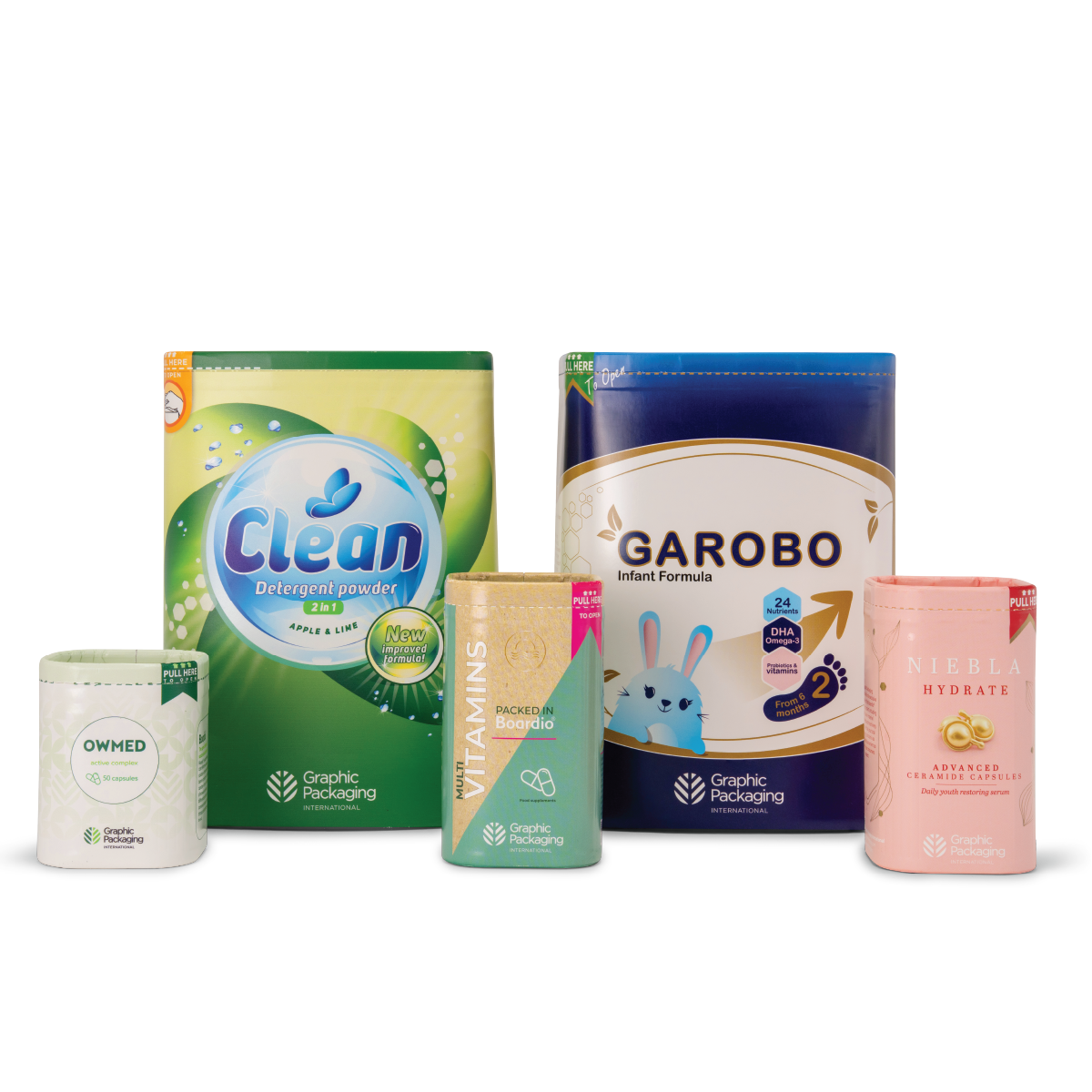
Outer cartons and multipack boxes for snack bars, variety packs, and multipacks are typically made from folding carton paperboard and are among the simpler sustainable packaging decisions in the category. FSC or SFI certified paperboard with recycled content is widely available, recyclable in standard curbside paper streams, and compatible with most retail display and logistics requirements. The sustainability questions at the carton level center on whether plastic windows, plastic closures, or non-paper components are necessary and whether they can be eliminated or replaced with paper-compatible alternatives without compromising shelf presentation.
Sustainable Snack Packaging Trade-Offs Worth Understanding
The barrier question is where most sustainable snack packaging decisions get complicated, and it applies primarily to the flexible bag and flow-wrap formats where multilayer laminates have historically dominated.
Oxygen and moisture barrier performance determine shelf life for virtually every snack product. Chips and crackers oxidize and go stale with oxygen exposure. Nuts and granola absorb moisture and lose crunch. The barrier properties of mono-material PE and PP films are meaningfully lower than those of aluminum foil laminates, which is why the shift to recyclable mono-material packaging requires honest shelf life trade-off conversations and actual testing rather than claims based on material specification sheets alone. Some brands accept shorter shelf life targets that work within their distribution model. Others use modified atmosphere packaging alongside mono-material films to compensate. Neither approach works without product-specific validation.
Paper-based snack packaging with PFAS-free barrier coatings is the most active area of innovation in this category. Water-based acrylics, bio-based extrusion coatings, and nanocoatings are all commercially available and achieving grease resistance ratings that work for chips, cookies, and nuts. The recyclability of these structures depends entirely on the specific coating: water-based and bio-based coatings are increasingly compatible with paper recycling mill repulping processes while heavier polymer coatings behave similarly to plastic and compromise paper recyclability. Asking suppliers for repulpability test data is the essential verification step before making any paper recyclable claim.
Machinery compatibility is a practical constraint that most sustainability conversations underweight. Vertical form-fill-seal machines for pillow bags and horizontal flow wrappers for bars are precisely engineered for specific film properties including sealing temperature range, coefficient of friction, and stiffness. Sustainable film alternatives that do not run reliably on existing equipment create production problems that override any material benefit. Confirming equipment compatibility before committing to a trial run is as important as confirming barrier performance.
How to Choose a Sustainable Snack Packaging Supplier
Snack packaging has one of the broadest supplier landscapes in sustainable food packaging, from large flexible film converters to specialty paper packaging companies to small-run digital print pouch suppliers, and the right fit depends on your format, volume, equipment, and the specific sustainability claim you need to support.
Using the 5 P's as a frame: Price comparisons must account for the full system cost including shelf life validation, any equipment modifications, and secondary packaging changes a material transition requires. Mono-material PE pouches are generally cost-competitive with conventional laminates at volume. Paper-based formats and compostable films carry premiums that vary by format and supplier. Low minimum order quantities from digital print flexible pouch suppliers (sometimes as low as 100 to 500 units) make sustainable format testing more accessible for smaller snack brands than it used to be. Performance means barrier validation with your specific product at your target shelf life and distribution conditions, machinery compatibility confirmation with your equipment supplier before committing to volume, and resealable zipper performance testing if your format requires it. Preference reflects your channel: retail grocery has shelf appeal and display requirements that influence format choices, while DTC and natural channel programs have more flexibility to adopt differentiated formats and make stronger sustainability claims to engaged consumers. Proof covers How2Recycle certification for any recyclable flexible film claims, FSC or SFI certification for paper-based formats, PFAS-free certificates of compliance for any coated paper or paperboard, and compostability certification to named standards covering the complete structure including inks, adhesives, and zipper components for any compostable claims. Partner quality means a supplier with demonstrated experience in your specific format since form-fill-seal and flow-wrap applications have specific sealing and machinability requirements that general packaging suppliers do not always understand at the same depth as specialists.
Ask suppliers for MVTR and OTR barrier data specific to their film or paper structure for your product category. Ask whether their PFAS-free claim is documented with a certificate of compliance. Ask for references from snack brands running their material on equipment similar to yours before committing to a trial run.
Why are chip bags so hard to recycle?
