

Featured Solutions and Suppliers
Interested in a solution? Click "View Supplier" to learn more about the supplier.


-1.avif)
-1.png)


Sustainable Dairy Packaging Formats: What Each One Is and What It Requires
Dairy packaging is one of the most format-diverse categories in food packaging, and the sustainability options available vary significantly depending on which product you are packaging. Understanding the format landscape before approaching suppliers is what separates a purposeful sourcing decision from a generic one.
Milk cartons are the most recognized dairy packaging format and are made from layered paperboard structures combining fiber, plastic coatings, and in some cases aluminum for ultra-high temperature (UHT) products. The sustainability evolution here is moving toward reduced or eliminated aluminum layers, plant-based polymer coatings derived from sugarcane rather than fossil fuels, and carton designs that are more compatible with the fiber recycling streams that accept them. Fresh cartons (short shelf life) are simpler structures than UHT cartons and are generally more recyclable where carton collection programs exist.
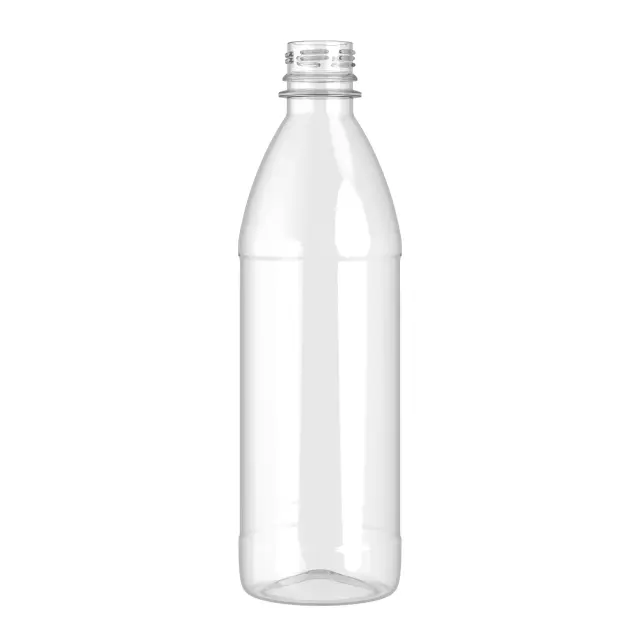
Dairy bottles for milk, cream, and drinkable yogurt are most commonly HDPE or PET, both of which are widely recyclable through curbside programs in most U.S. markets. Recyclable HDPE milk bottles are one of the more straightforward sustainability choices in the entire food packaging category because the infrastructure for collecting and reprocessing them is well established. Recycled HDPE (rHDPE) and recycled PET (rPET) are increasingly available for food-grade bottle applications and are worth specifying explicitly since suppliers will not automatically offer recycled content unless asked.
Yogurt cups and dairy tubs for yogurt, sour cream, cottage cheese, and cream cheese are most commonly polypropylene (PP) or polystyrene. PP is the more defensible choice: it is lighter than polystyrene, widely accepted in curbside recycling programs, and available in mono-material designs that simplify end-of-life. Polystyrene yogurt cups face a more complicated future as EPS and PS bans expand across U.S. states, making PP the lower-risk long-term specification. Foil lidding on yogurt cups is an additional material to evaluate, as aluminum foil lids complicate recyclability and paper-based or film lidding alternatives are available from specialty suppliers.
Cheese packaging spans several sub-formats with different requirements. Shredded cheese relies on flexible films that must provide strong oxygen and moisture barriers to prevent clumping and mold. Sliced cheese uses similar flexible films or rigid trays with lidding. Block and specialty cheeses use wraps and flow-packs. The sustainability direction across all of these is toward mono-material PE or PP films that are compatible with flexible film recycling streams and away from the mixed-material laminates that dominate conventional cheese packaging. Recyclable mono-material films for cheese are now commercially available though barrier performance trade-offs vary by formulation and product.
Butter and spread packaging includes paper wraps, foil wraps, and plastic tubs. Traditional butter paper wraps made from parchment or waxed paper are among the simplest and most recyclable dairy packaging formats, and brands moving away from foil-laminated wraps toward paper-based alternatives have relatively straightforward options available. Plastic tubs for spreads and margarine are typically PP and follow the same recyclability logic as yogurt cups.
Sustainable Dairy Packaging Materials: Trade-Offs Worth Understanding
The common thread across dairy packaging sustainability is the tension between barrier performance and recyclability, and this tension plays out differently depending on the format and the product's shelf life requirements.
Multi-layer structures combining paperboard, plastic, and aluminum deliver excellent barrier performance and enable long shelf life for UHT products, but the material complexity makes recycling harder and requires dedicated carton recycling infrastructure rather than standard curbside paper or plastic streams. Mono-material plastic structures (all-PP or all-PE) simplify recycling significantly but require more careful barrier engineering to match the performance of complex laminates. Water-based and bio-based barrier coatings applied to paperboard and paper substrates are an actively developing area that is making it possible to achieve meaningful moisture and oxygen resistance without the full plastic lamination layers that complicate recycling, and several of these coatings are now commercially available for dairy applications.
Recycled content is a separate sustainability variable from material type, and the two are often conflated in supplier conversations. A virgin PP yogurt cup and a yogurt cup made from recycled PP follow the same recycling pathway, but the latter has a meaningfully lower carbon footprint because it avoids primary resin production. Specifying minimum post-consumer recycled content levels in any plastic component alongside recyclability requirements is worth doing explicitly in procurement conversations since it addresses both the end-of-life and the production-stage environmental impacts of the packaging.
How to Choose a Sustainable Dairy Packaging Supplier
Dairy packaging supplier selection is more specialized than most food categories because the barrier and food safety requirements are stringent and vary significantly by product type. A supplier strong in fluid milk bottles may have limited capability in flexible cheese films, and a carton system provider operates in a fundamentally different supply chain than a rigid cup manufacturer.
Using the 5 P's as a frame: Price in dairy packaging is influenced heavily by volume and by whether the product requires custom tooling or can use stock formats. Yogurt cups and milk bottles in standard sizes are available from multiple suppliers at competitive pricing, while specialty cheese films and custom carton formats involve more limited supplier options and higher minimum commitments. Performance means matching barrier properties to your specific product and shelf life requirement, not just category norms. UHT milk and aged cheese need significantly higher oxygen and moisture barriers than fresh cultured dairy, and specifying the right barrier level avoids over-engineering that adds cost and material without improving the product. Preference reflects your channel and brand positioning: a premium organic dairy brand has different packaging expectations than a private label grocery program, and those differences should drive format and material choices rather than defaulting to whatever the supplier leads with. Proof covers recycled content verification for any PCR claims, food-grade certification for any recycled plastic in direct food contact, recyclability documentation for the full package assembly including lids and closures, and carton recycling program acceptance for paperboard formats. Partner quality in dairy packaging means a supplier with dairy-specific food safety experience, not just general food packaging capability, since dairy has specific migration, light protection, and temperature requirements that require category expertise.
Ask suppliers what recycled content they can offer in your specific format and what documentation they provide to verify it. Ask whether their recyclability claims cover the full package assembly including lids, closures, and labels. Ask for barrier performance data specific to your product type and target shelf life rather than general material specifications.
Are milk cartons recyclable?

What is the most sustainable yogurt cup option available today?
Are there compostable packaging options that actually work for cheese?