

Featured Solutions and Suppliers
Interested in a solution? Click "View Supplier" to learn more about the supplier.



The Packaging Formats Reshaping This Category
Cleaning product packaging is undergoing a more significant format shift than almost any other CPG category right now, and understanding the landscape before talking to suppliers is what separates brands that make smart sourcing decisions from brands that buy whatever a salesperson is selling that week.
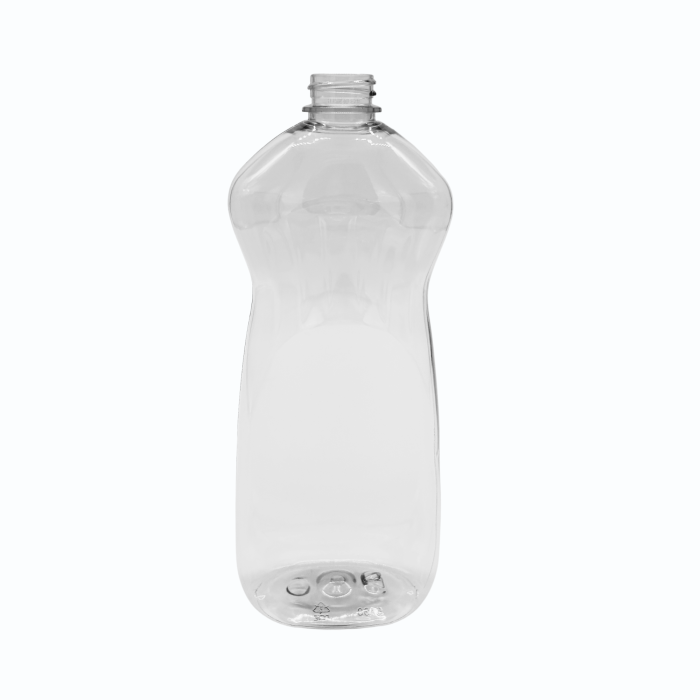
The traditional format is a single-use HDPE or PET spray bottle filled with a ready-to-use liquid formula. These bottles are technically recyclable in many curbside programs, and HDPE in particular has strong recovery infrastructure in the U.S. The problem is not always the material. It is the model. Shipping a product that is mostly water in a disposable container is increasingly hard to defend on sustainability grounds, and a growing number of retailers are asking brands to demonstrate packaging improvements as a condition of shelf placement.
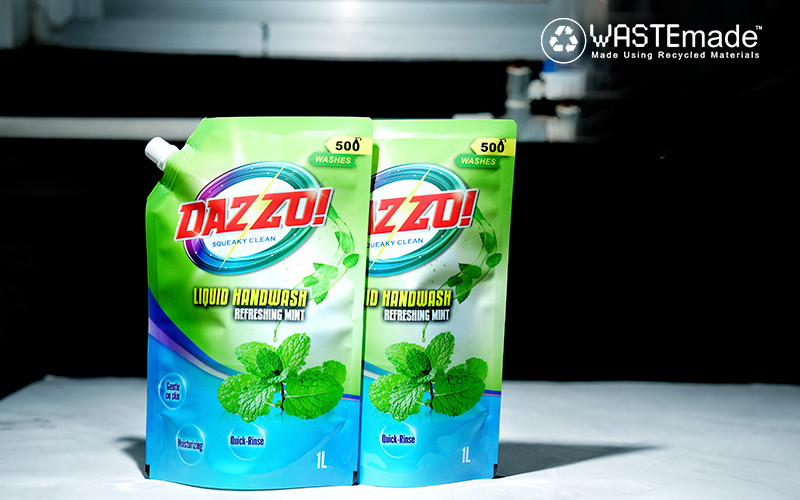
Refill systems address this by separating the durable container from the consumable formula. The bottle (glass, aluminum, or durable plastic) is designed to last through many uses, while the refill arrives as a concentrate, a pouch, a tablet, or a cartridge in significantly less packaging. Cleaning tablets take this further by eliminating liquid entirely and packaging a concentrated dose in a small compostable or paper wrapper. The sustainability math works because packaging material, shipping weight, and carbon footprint per cleaning dose all drop substantially compared to ready-to-use bottles.
Laundry detergent and dishwasher pod packaging each carry additional format-specific considerations around water-soluble films, pod materials, concentrated dose packaging, and jug recyclability that go beyond the surface cleaner and spray formats above. We cover those formats in dedicated pages linked below.
Materials: What Each Format Actually Uses
The right material depends entirely on which format you are building around, and the trade-offs are real enough that they are worth understanding before supplier conversations begin.
HDPE and PET remain the workhorses of the category for ready-to-use and refillable plastic formats. Both are compatible with most cleaning formulations, widely available from domestic suppliers, and recyclable in most curbside programs when designed correctly (single-material construction, compatible closures, no problem labels). Post-consumer recycled content is increasingly available in both resins and is worth specifying explicitly if recycled content is part of your sustainability story, since suppliers will not automatically offer it unless you ask.
Aluminum is the premium refillable container material. It is infinitely recyclable, chemically compatible with most cleaning formulas, and durable enough to last through many refill cycles. The higher unit cost makes sense when the container is designed to stay with the consumer long-term rather than be discarded after a single use. Glass serves a similar role for premium positioned products, though its weight creates a logistics trade-off that brands need to think through carefully.
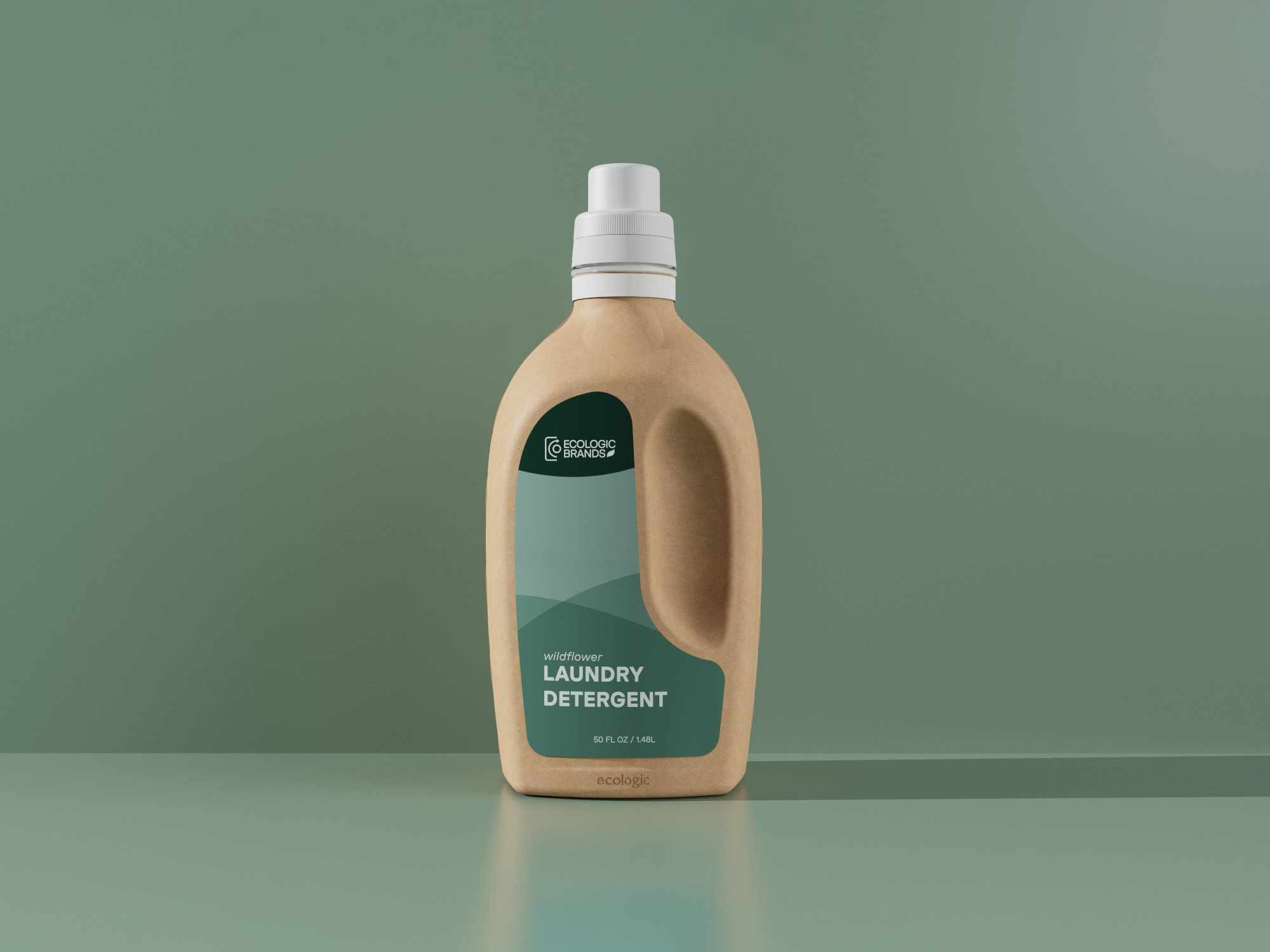
For concentrate and tablet formats, paper and paperboard do most of the packaging work. FSC-certified kraft paper, uncoated paperboard cartons, and cellulose-based wrappers are the standard in this segment and are compatible with curbside recycling in most markets. Water-soluble films (typically PVA-based) are used for dissolvable pods and inner sachets, though buyers should verify end-of-life claims carefully since water-solubility does not automatically equal environmental safety and supplier claims in this area vary considerably.
How to Choose a Sustainable Cleaning Product Packaging Supplier
This category has more supplier fragmentation than most because the format shift is still happening and no single supplier covers all the bases well. A bottle manufacturer is not necessarily the right partner for a concentrate refill system. A tablet packaging specialist may not be equipped for aluminum refillables. The first decision is format, and that drives everything else.
Use the 5 P's as your evaluation frame. Price needs to account for the full system cost, not just the unit cost of the primary container. A refillable aluminum bottle costs more per unit than an HDPE spray bottle, but if customers refill it a dozen times the packaging cost per cleaning dose drops substantially. Performance means chemical compatibility first. Cleaning formulas can contain acids, solvents, bleach, and surfactants that degrade certain materials or compromise seals over time. Ask suppliers specifically which formulations they have tested against, not just what materials they use. Preference reflects your channel: a DTC brand has different format flexibility than a brand trying to get into mass retail, where shelf presence and planogram fit constrain your options significantly. Proof means third-party certification for any sustainability claims, FSC certification for fiber-based packaging, and recycled content verification for rPET or recycled HDPE. Partner quality in this category means finding a supplier who understands the refill system as a whole, not just the individual component they manufacture.
Ask suppliers which cleaning formulations they have tested against their materials and what recycled content documentation they can provide. If a supplier cannot answer the formulation compatibility question with actual test data, that is a significant red flag in a category where chemical resistance is the primary performance requirement.
Is refillable packaging actually more sustainable than recyclable single-use bottles?
