

Featured Solutions and Suppliers
Interested in a solution? Click "View Supplier" to learn more about the supplier.



.webp)

Sustainable Produce Packaging Formats and the Eco-Friendly Materials Behind Them
Produce packaging operates across two distinct layers that serve different buyers making different decisions, and most pages online mix them together in ways that leave both audiences underserved. Understanding which layer your decision falls into is the starting point for finding the right material and supplier.
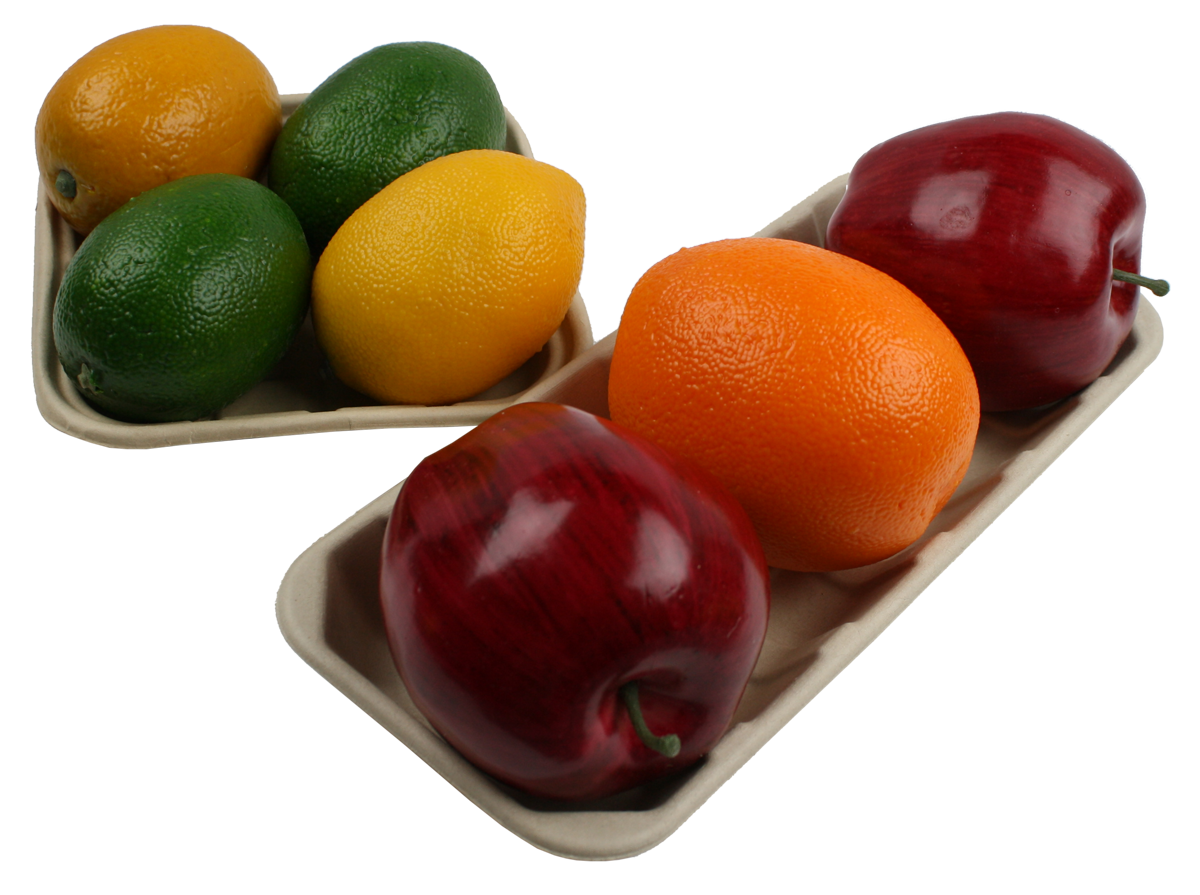
Pre-packed produce packaging is applied before the product reaches the retail floor, typically by farms, produce brands, distributors, or grocery private label programs. This is where most sustainable packaging innovation is happening and where supplier relationships are most consequential. Berry clamshells are the highest-volume format in this layer, with recyclable rPET as the most practical eco-friendly choice: it incorporates post-consumer recycled content, maintains the clarity retailers and consumers require for visual quality inspection, and is compatible with curbside recycling in many markets. Compostable PLA clamshells are an alternative for brands prioritizing bio-based material sourcing, though industrial composting infrastructure remains the practical constraint for most U.S. markets. Molded fiber trays made from recycled paper pulp serve tomatoes, mushrooms, stone fruit, and similar items well, offering good cushioning and either recyclability or compostability depending on what coating is used. Flow wrap films for cucumbers, herbs, and lettuce are typically polyethylene, with compostable film alternatives and recyclable mono-material PE films compatible with store drop-off programs both available from specialty suppliers. The functional requirement driving all pre-packed format decisions is shelf life: packaging that manages moisture, gas exchange, and physical protection correctly reduces food waste enough to meaningfully affect the overall environmental calculation.
In-store produce bags are used by shoppers inside grocery stores when selecting loose fruits and vegetables. The decision-maker here is typically a grocery retailer or store operations team rather than a produce brand. Conventional thin-film HDPE bags dominate this format and are technically recyclable through store drop-off programs, though consumer participation rates are low. Compostable produce bags made from PLA or cornstarch-based blends are increasingly available as a store-level alternative, typically certified to ASTM D6400 for industrial composting. Reusable mesh produce bags, typically made from organic cotton or recycled polyester, represent the highest-sustainability option in this layer since they eliminate single-use packaging entirely, though they require consumer behavior change and are more relevant to natural grocery and co-op channels than mass retail. The in-store bag layer is a smaller supplier opportunity than pre-packed produce packaging but is increasingly relevant as retailers face single-use plastic regulations that explicitly cover produce bags in a growing number of U.S. states.
Eco-Friendly Produce Packaging Trade-Offs That Actually Matter
The sustainability conversation in produce packaging is more nuanced than in most categories because packaging directly affects food waste, and food waste carries a larger environmental footprint than most packaging materials. A cucumber wrapped in film that lasts five days longer than an unwrapped one may deliver a net environmental benefit even if that film is harder to recycle than alternatives. This does not mean anything goes, but it does mean lifecycle thinking rather than material instinct should drive decisions, and it is why blanket "less packaging is always better" logic does not hold in fresh produce the way it does in shelf-stable categories.
Labels, adhesives, and secondary materials are frequently overlooked when produce brands transition to sustainable primary packaging. A compostable tray paired with a conventional plastic label creates a mixed-material pack that cannot be composted cleanly. Compostable and recyclable label systems are available and should be specified alongside primary packaging rather than treated as a secondary consideration. The same applies to rubber bands, twist ties, and any overwrap films in the system. Certifications covering only the primary container but not the full assembly are common enough in this category that asking specifically what the certification covers is worth doing in every supplier conversation.
How to Choose a Sustainable Produce Packaging Supplier
Produce packaging supplier selection is more format-specific than most categories. A supplier strong in rPET berry clamshells is not necessarily equipped for compostable flow wrap films, and a molded fiber tray specialist may not offer the label and closure systems needed to complete a fully compostable pack. Clarifying your format first and then finding suppliers with deep capability in that specific format produces better outcomes than starting with a broad sustainable packaging supplier and working backward.
Using the 5 P's as a frame: Price is particularly sensitive in fresh produce because margins are thin and packaging cost per unit matters more than in many other food categories. rPET berry clamshells have become cost-competitive with virgin PET at scale, making them one of the easier sustainability transitions from a cost perspective. Compostable film formats typically carry a more meaningful premium and require honest volume forecasting before committing. Performance is non-negotiable because packaging failure in fresh produce means spoilage, retailer chargebacks, and lost product value that far exceeds any packaging savings. Request shelf life validation data with your specific products and distribution conditions rather than relying on general category claims. Preference reflects your channel: national grocery retail carries planogram requirements, weight tolerances, and display standards that constrain format choices significantly more than farmers market or DTC channels. Proof covers rPET recycled content verification, BPI or equivalent compostability certification for the full pack assembly including labels and coatings, and end-of-life documentation relevant to your specific operating markets. Partner quality means a supplier who understands produce-specific requirements including respiration rates, humidity sensitivity, and cold chain compatibility rather than a general food packaging supplier carrying a sustainable SKU as a secondary line.
Ask suppliers for shelf life test data with your specific produce variety and storage conditions. Ask what any fiber tray coating is made from and whether it has been tested for recyclability or compostability. Ask whether certification covers the full assembly or just the base material.
Does eco-friendly produce packaging actually reduce food waste or cause more of it?
