

Featured Solutions and Suppliers
Interested in a solution? Click "View Supplier" to learn more about the supplier.





Common Pharmaceutical Packaging Formats and the Materials Behind Them
Pharmaceutical packaging includes several primary and secondary packaging formats designed to protect medications and ensure safe dosing. The format used depends on the drug form, shelf life requirements, and distribution model.
Blister packs are widely used for tablets and capsules. Thermoformed plastic cavities sealed with aluminum foil protect individual doses and improve patient compliance by allowing doses to be dispensed one at a time. Conventional blister structures use multilayer PVC and PVDC or Aclar films that are difficult to recycle. Mono-material blister formats and cold-form aluminum-only structures are directions the industry is exploring for products where those options are compatible with stability requirements.
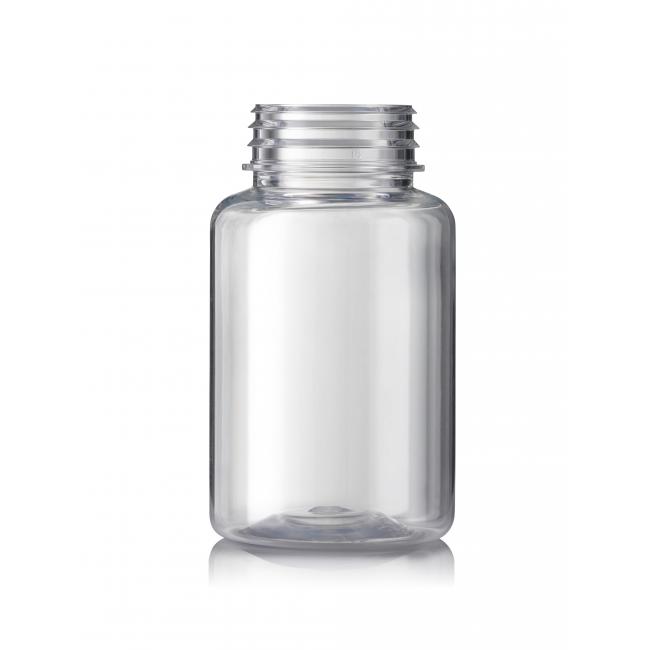
HDPE pill bottles are among the most common pharmaceutical packaging formats for prescription medications, over-the-counter products, and supplements. They provide moisture protection and are typically paired with child-resistant closures. Recycled HDPE with post-consumer content is increasingly available in pharmaceutical bottle applications, and this is one of the more accessible sustainability transitions in primary pharmaceutical packaging for appropriate product types.
Glass vials and ampoules are used for injectable medications and biologics that require strong barrier properties and chemical stability. Type I borosilicate glass is widely used for sterile applications because of its chemical resistance and compatibility with a wide range of formulations. Glass is infinitely recyclable and lightweighting initiatives are reducing the per-unit material footprint of glass containers without changing the material itself.
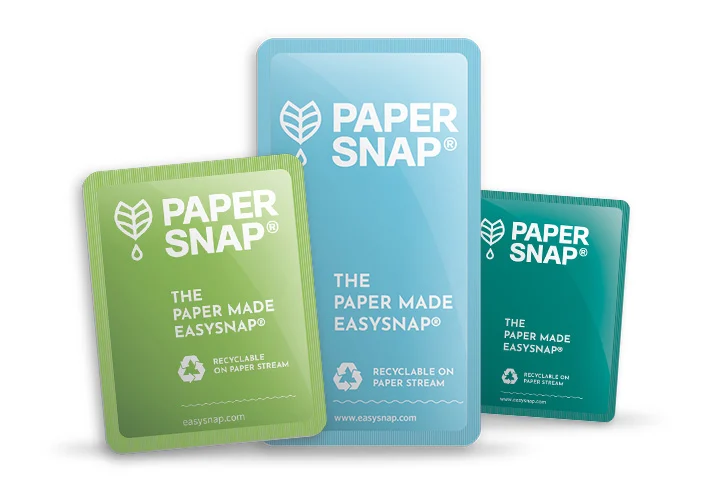
Flexible packaging formats including sachets and stick packs are used for powders, oral rehydration solutions, and some single-dose medications. These formats follow the same flexible film sustainability dynamics as other categories: conventional multilayer laminates are difficult to recycle, while mono-material film structures and paper-based formats with barrier coatings offer improved end-of-life options for appropriate applications.
Secondary packaging including paperboard cartons, inserts, and tamper-evident seals protects primary packaging and provides labeling space for dosage instructions and regulatory information. Secondary packaging is generally the most accessible starting point for pharmaceutical sustainability programs since changes to secondary packaging typically involve less complex validation than changes to primary packaging that contacts the drug product directly. FSC-certified paperboard with recycled content, lighter-weight inserts, and water-based inks are widely available and compatible with standard pharmaceutical secondary packaging requirements including serialization and Braille embossing.
Materials Used in Pharmaceutical Packaging
Pharmaceutical packaging materials are selected to protect product stability, maintain sterility where required, and preserve shelf life throughout distribution. Sustainability improvements in this category tend to focus on reducing material weight, improving recyclability in secondary packaging, and exploring recyclable or recycled-content alternatives to conventional materials where product protection requirements allow.
Glass provides excellent barrier protection against oxygen and moisture and is widely used for injectable drugs and liquid medications where chemical compatibility and inertness are priorities. Glass is infinitely recyclable and the sustainability story for glass packaging is strong from an end-of-life perspective. HDPE is the standard material for pill bottles due to its durability, moisture resistance, and chemical compatibility with a wide range of oral solid dosage formulations. Recycled HDPE is the primary material transition being explored in this segment. Polypropylene is used for closures, dosing cups, and some containers, with recycled PP content an area of growing interest for closure components. Aluminum foil laminates provide strong barrier protection in blister pack lidding and flexible sachets. Paperboard is the dominant secondary packaging material across pharmaceutical cartons and inserts, and the move toward FSC-certified, recycled-content paperboard is well underway across the industry.
One important distinction in pharmaceutical packaging sustainability is between primary packaging (which contacts the drug product) and secondary packaging (which does not). Sustainability changes to secondary packaging are generally more straightforward to implement. Changes to primary packaging for medications typically require careful evaluation and validation to confirm the change does not affect product stability or safety, and timelines for those transitions reflect that reality. Brands should work with qualified regulatory and quality teams when planning primary packaging changes and should not rely on this page as regulatory guidance.
How to Choose Pharmaceutical Packaging Suppliers
Selecting pharmaceutical packaging suppliers requires evaluating several factors beyond basic packaging performance. Packaging must protect the product while supporting manufacturing efficiency and the documentation requirements that pharmaceutical and healthcare products typically carry.
Using the 5 P's as a frame: Price in pharmaceutical packaging must account for the full qualification and documentation cost of any new packaging in addition to unit cost. A modest unit cost premium on a sustainable alternative that requires extensive validation carries a different total cost than the unit price alone suggests, which is why implementation planning that accounts for validation timelines is important. Performance means material compatibility with the drug product, barrier properties appropriate for the product's stability profile, and mechanical performance through the intended shelf life and distribution conditions. Preference reflects the product type and distribution model since packaging requirements vary meaningfully across oral solid, liquid, sterile, and controlled substance product types. Proof in this category means supplier quality system documentation, material certification, testing data relevant to the application, and supply chain traceability documentation appropriate for healthcare supply chains. Partner quality means a supplier with pharmaceutical industry experience, established quality systems, and the ability to provide the documentation and support that pharmaceutical product qualification typically requires.
When evaluating suppliers, look for demonstrated experience in pharmaceutical packaging applications, quality management systems appropriate for healthcare products, and the ability to provide consistent documentation across manufacturing batches. These are the factors that typically matter most in pharmaceutical packaging supplier relationships beyond the packaging performance itself.
Are sustainable materials allowed in pharmaceutical packaging?

What is the difference between primary and secondary pharmaceutical packaging?
Where do most pharmaceutical companies start with sustainability?