

Featured Solutions and Suppliers
Interested in a solution? Click "View Supplier" to learn more about the supplier.



Sustainable Meat Packaging Formats and the Materials Behind Them
Fresh meat packaging operates across several distinct systems, each engineered around a specific oxygen control strategy, and the EPS foam that dominated retail meat departments for decades is being replaced by alternatives that have matured significantly in recent years.
Modified atmosphere packaging (MAP) is the dominant retail fresh meat format. MAP trays are filled with a controlled gas mixture (typically carbon dioxide, nitrogen, and oxygen in proportions specific to the protein) before sealing, which slows bacterial growth and extends shelf life for beef, poultry, and pork. Traditional MAP trays were made from expanded polystyrene or multi-layer plastic, both of which present significant recyclability challenges and face active regulatory pressure. The sustainability transition here is toward fiber-based MAP trays with thin plastic lidding films, rPET rigid trays with peelable recyclable lids, and paperboard-based skin packaging that combines fiber structure with minimal plastic contact layers. Fiber trays made from recycled paperboard with moisture-resistant coatings are now commercially available and compatible with MAP systems at retail scale, with the additional advantage of being significantly lighter and more space-efficient in distribution than conventional foam formats.
Vacuum packaging removes air from the pack before sealing, creating an anaerobic environment that extends shelf life for steaks, roasts, and processed meat cuts significantly beyond what MAP achieves. Vacuum shrink bags made from multi-layer barrier films have traditionally been the standard here, and the sustainability direction is toward mono-material PE or PP structures that maintain adequate oxygen barrier while being compatible with flexible film recycling streams. Barrier performance trade-offs in mono-material vacuum films are real and require product-specific shelf life validation rather than reliance on general material claims.
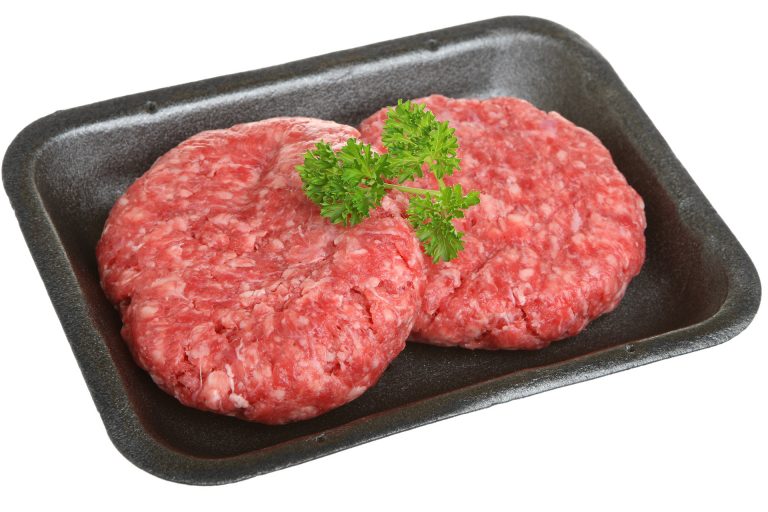
Overwrap trays are the classic retail fresh meat format: a foam or plastic tray with stretch film wrapped over the top. This is the format most directly affected by EPS bans because expanded polystyrene foam trays are the incumbent material and bans in California, New York, and other states apply directly to the foam sitting in most meat departments today. The transition is toward fiber-based or rPET trays paired with mono-material recyclable overwrap films, which maintain the familiar retail presentation while significantly improving end-of-life options. The main EPS replacement materials in this format are worth understanding before supplier conversations begin. Bagasse and molded fiber trays offer foam-like cushioning and moisture management with industrial compostability as the end-of-life pathway and are the closest functional match for fresh meat tray applications. Mineral-filled polypropylene (MFPP) uses calcium carbonate fillers to reduce plastic content by roughly half while maintaining a white stackable format that operates similarly to foam and recycles as PP. rPET rigid trays work well for case-ready and higher-value cuts where clarity and shelf presentation matter. Each carries a cost premium over EPS, typically in the 15 to 50 percent range depending on material and volume, though premiums have been compressing as regulatory pressure creates consistent demand and volumes scale.
Shrink bags for large primal cuts and wholesale distribution follow similar mono-material logic to vacuum packaging and are a more straightforward sustainability transition since the format is simpler and volumes are concentrated among fewer buyers.
Processed and frozen meat products including chicken nuggets, frozen burger patties, and frozen seafood operate in a different packaging system using flexible pouches, stand-up bags, and pillow bags designed for freezer storage. Those formats are covered under frozen food packaging rather than fresh meat packaging and the material decisions differ significantly from the fresh systems above.
Sustainable Meat Packaging Trade-Offs Worth Understanding
The core sustainability challenge in meat packaging is that the barrier performance required to keep meat safe and reduce food waste is genuinely difficult to achieve without the multi-layer plastic structures that create recyclability problems. This is not a supplier honesty problem: it is a material science constraint the industry is actively working to solve, and understanding where solutions exist today versus where they are still developing is essential for setting realistic expectations.
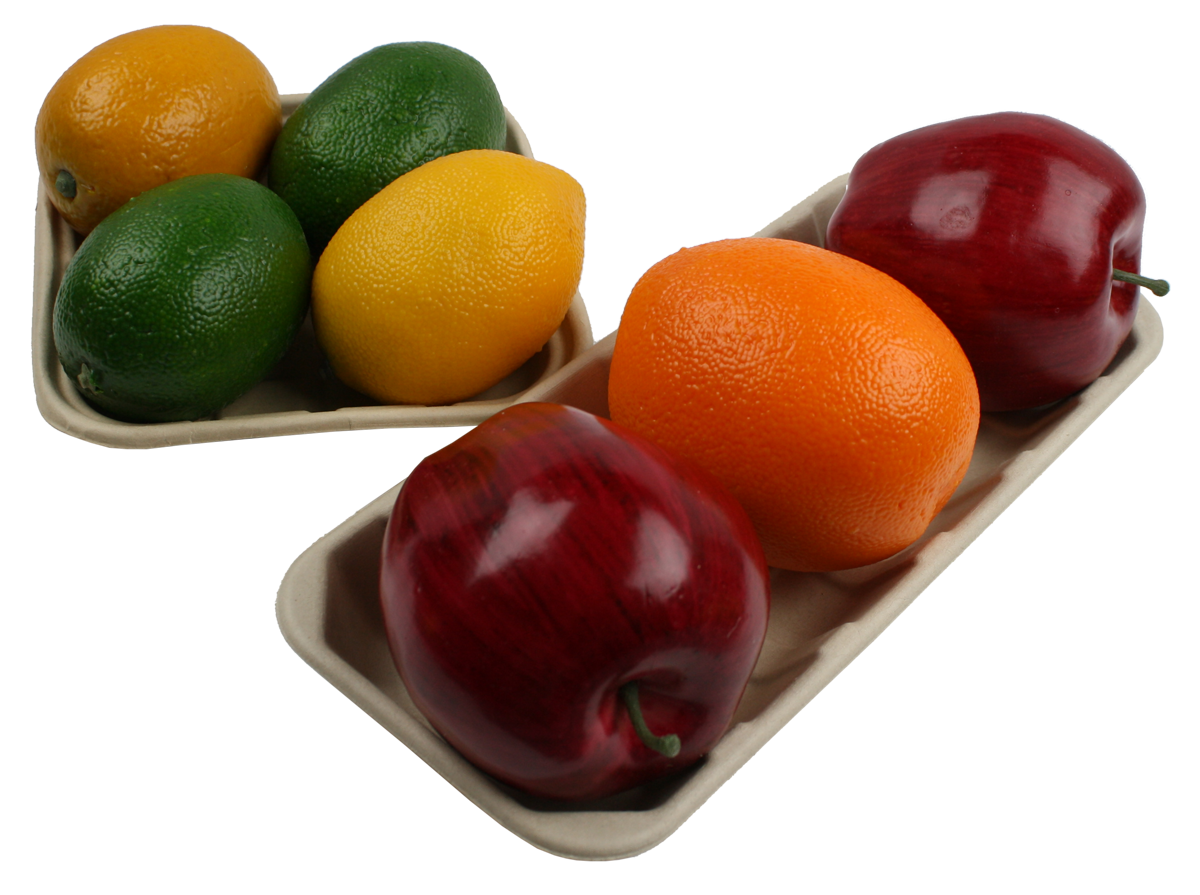
Fiber-based trays represent the most meaningful recent advance in sustainable fresh meat packaging. Solid paperboard trays with moisture-resistant coatings can now replace foam trays in MAP and overwrap applications while offering recyclability through fiber streams, lighter weight for distribution, and FSC or PEFC certification for responsible fiber sourcing. The coating question applies here as it does across all fiber-based food packaging: water-based and bio-based coatings that maintain paper recyclability are preferable to heavier polymer coatings that compromise it, and buyers should ask specifically what the coating is and whether the coated tray has been tested for recyclability rather than accepting general claims.
Mono-material films for lidding and overwrap are viable for some applications today and still developing for others. Products with shorter shelf life windows and moderate oxygen sensitivity are better candidates for mono-material transition than long-life vacuum applications requiring the highest available oxygen barrier. Recycled content in plastic components (rPET trays, PCR content in films) addresses the production-stage environmental impact of meat packaging separately from recyclability and is worth specifying explicitly in any supplier conversation since it does not come as a default.
Food waste is the sustainability variable most often missing from meat packaging conversations and it matters more here than in almost any other food category. Packaging that extends fresh meat shelf life by several days across a retail supply chain prevents spoilage that carries a carbon footprint significantly larger than the packaging material itself. This is why eliminating barrier performance to achieve a simpler material story is a trade-off that requires genuine lifecycle analysis rather than instinct, and why the most credible sustainable meat packaging suppliers lead with shelf life validation data rather than material marketing language.
How to Choose a Sustainable Meat Packaging Supplier
Meat packaging supplier selection requires technical specificity that goes beyond most food packaging categories because the performance stakes are higher and the regulatory requirements are stricter.
Using the 5 P's as a frame: Price is heavily influenced by volume, format complexity, and whether custom tooling is required for tray dimensions and MAP gas specifications. Fiber tray formats in standard sizes are becoming more cost-competitive with foam as volume scales, while custom rPET tray programs involve tooling investment that requires volume commitment to justify. Performance is the non-negotiable gate in this category and must be evaluated with your specific protein, target shelf life, and distribution temperature range rather than general category benchmarks. A fiber tray that performs well for fresh chicken in a three-day retail window may not be appropriate for vacuum-packed beef cuts requiring fourteen days or more. Preference reflects your channel: retail grocery programs have specific tray dimension, display, and labeling requirements that constrain format choices significantly, while food service and wholesale programs have more flexibility to adopt new formats without planogram constraints. Proof covers food-contact safety certification (FSSC 22000 or equivalent) for any new material, recyclability documentation for the full package assembly including lidding and coatings, FSC or PEFC certification for fiber-based formats, and recycled content verification for any rPET or PCR claims. Partner quality in meat packaging means a supplier with protein-specific experience in your protein category, since fresh beef, poultry, and pork have meaningfully different MAP gas specifications, purge management requirements, and cold chain needs that require category expertise rather than general food packaging knowledge.
Ask suppliers for purge performance data specific to your protein and packaging system. Ask what the tray coating is made from and whether it has been tested for recyclability. Ask which specific retail programs or processors they currently supply in your format, since references in fresh meat packaging are more meaningful than general capability claims.
Why is fresh meat packaging so difficult to make sustainable?

Does sustainable meat packaging compromise food safety?