

Featured Solutions and Suppliers
Interested in a solution? Click "View Supplier" to learn more about the supplier.

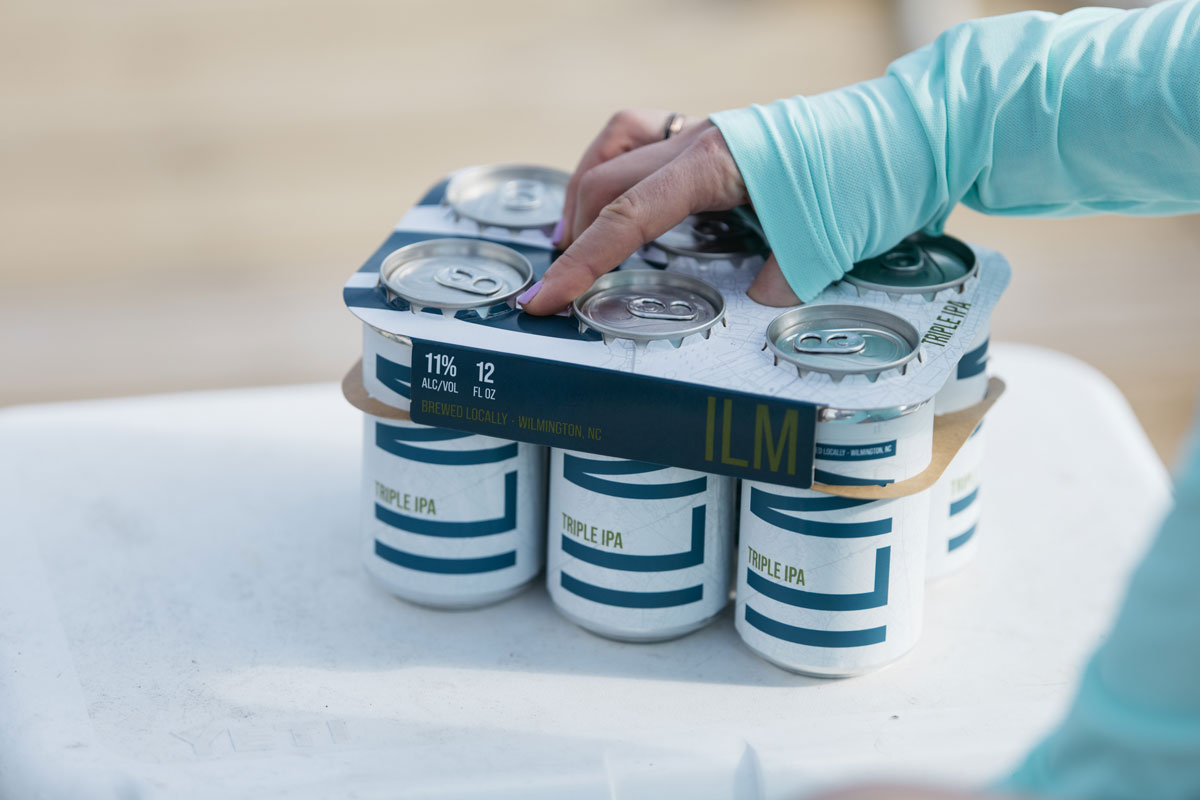


Recyclable Drink Carrier Materials and the Formats Behind Them
Drink carriers used in foodservice fall into three fiber-based material categories that share strong recyclability credentials but differ in structure, cost, and how they perform in real service conditions.
Molded fiber cup carriers are the dominant format for high-volume coffee shop and quick service restaurant programs. Made from 100 percent recycled paper pulp (OCC) or agricultural fiber blends including bagasse, molded fiber carriers are formed into rigid cavity structures that hold two to four cups securely without requiring slots or assembly. The molded cavity design grips cups from the base and sides, reducing spill risk during transport and requiring no secondary securing mechanism. Molded fiber carriers are plastic-free, recyclable in standard curbside paper streams, and in many cases certified compostable under ASTM D6400 or BPI standards. They ship flat and assemble quickly, making them efficient for high-turn service environments. Per-unit cost runs slightly higher than kraft paperboard but the premium is modest at volume and the clean recyclability story is worth the difference for brands making sustainability claims.
Kraft paperboard drink carriers are the most cost-competitive recyclable option and are widely used for two-cup handled grab-and-go formats. These are die-cut from heavy-duty kraft board, typically feature an auto-bottom lock for stability, and ship flat for efficient storage. Kraft carriers are recyclable in curbside paper streams, available without added PFAS from most current suppliers, and printable for branding. The handled two-cup format is the most common application, though four-cup flat tray versions are also available. For operations prioritizing cost efficiency and clean recycling without requiring compostability certification, kraft paperboard is a practical and widely available choice.
Corrugated and ribbed board carriers use 100 percent recycled fiber in a corrugated or ribbed structure that provides additional structural rigidity for larger cup formats and heavier beverages. These are particularly suited for operations carrying large cups (up to 32 ounces) where the weight of filled cups creates more stress on the carrier than standard kraft can reliably handle. Corrugated carriers are recyclable in paper streams and some are BPI certified for compostability. Custom printing is available though the textured surface of corrugated limits print resolution compared to smooth kraft board.
Recyclable Drink Carrier Trade-Offs Worth Understanding
Drink carriers are among the simpler sustainable packaging decisions in foodservice, but a few trade-offs are worth understanding before finalizing supplier selection.
Cup compatibility is the primary functional requirement and it varies more than most buyers expect. Molded fiber carriers are formed to specific cup diameter ranges and a carrier designed for 12 to 16 ounce cups may not securely hold 20 ounce cups from a different manufacturer. Verifying that the carrier you are specifying fits your actual cup supplier's dimensions before ordering volume is the step most operations skip and regret. Kraft slot carriers with adjustable or wider slots typically offer more cup size flexibility than molded cavities, which is worth considering for operations running multiple cup sizes.
Recyclability claims on drink carriers are generally well-founded because fiber-based carriers are compatible with standard curbside paper recycling in most U.S. markets. The caveat that applies to all fiber food packaging applies here too: any plastic coating, lamination, or non-paper component can affect recyclability in some paper recycling systems, which is why confirming that your carrier is uncoated or uses a water-based coating rather than a plastic laminate is worth verifying with your supplier. Most current recyclable drink carrier suppliers have already made this transition, but confirming documentation rather than assuming is good practice.
Compostability certification adds value for operations with active composting programs or those making specific compostable packaging claims to customers. BPI certification to ASTM D6400 is the standard to look for on molded fiber and corrugated carriers marketed as compostable. Not all recyclable fiber carriers are also compostable certified, so if compostability is a requirement it should be specified explicitly in supplier conversations rather than assumed based on material type alone.
How to Choose a Recyclable Drink Carrier Supplier
Drink carrier supplier selection is more straightforward than most foodservice packaging categories, but a few factors separate reliable long-term partners from suppliers that create operational headaches.
Using the 5 P's as a frame: Price for molded fiber carriers typically runs slightly above kraft at comparable volumes, with bulk case pricing (250 units or more) available from most eco-focused distributors. Kraft two-cup carriers are the most cost-competitive option for operations where the handled two-cup format covers most use cases. Performance means cup fit validation with your specific cup supplier's dimensions before committing to volume, structural strength adequate for your largest and heaviest filled cup format, and stackability for efficient back-of-house storage. Preference reflects your sustainability positioning: operations making specific compostable packaging claims need BPI certified carriers with documentation, while operations primarily motivated by eliminating plastic from their carrier format have more flexibility on certification specifics. Proof covers recycled fiber content documentation, PFAS-free confirmation (most current suppliers meet this standard but documentation is worth requesting), and BPI or equivalent compostability certification for any compostable claims. Partner quality means reliable stock availability in your required sizes and case quantities since drink carriers are a high-frequency consumable where supply gaps create immediate service problems.
Ask suppliers to confirm cup diameter compatibility with your specific cup dimensions before ordering. Ask whether their carrier is uncoated or uses a water-based coating rather than plastic lamination. Ask for compostability certification documentation if that claim matters to your operation.
What is the difference between a recyclable and a compostable drink carrier?
