

Featured Solutions and Suppliers
Interested in a solution? Click "View Supplier" to learn more about the supplier.
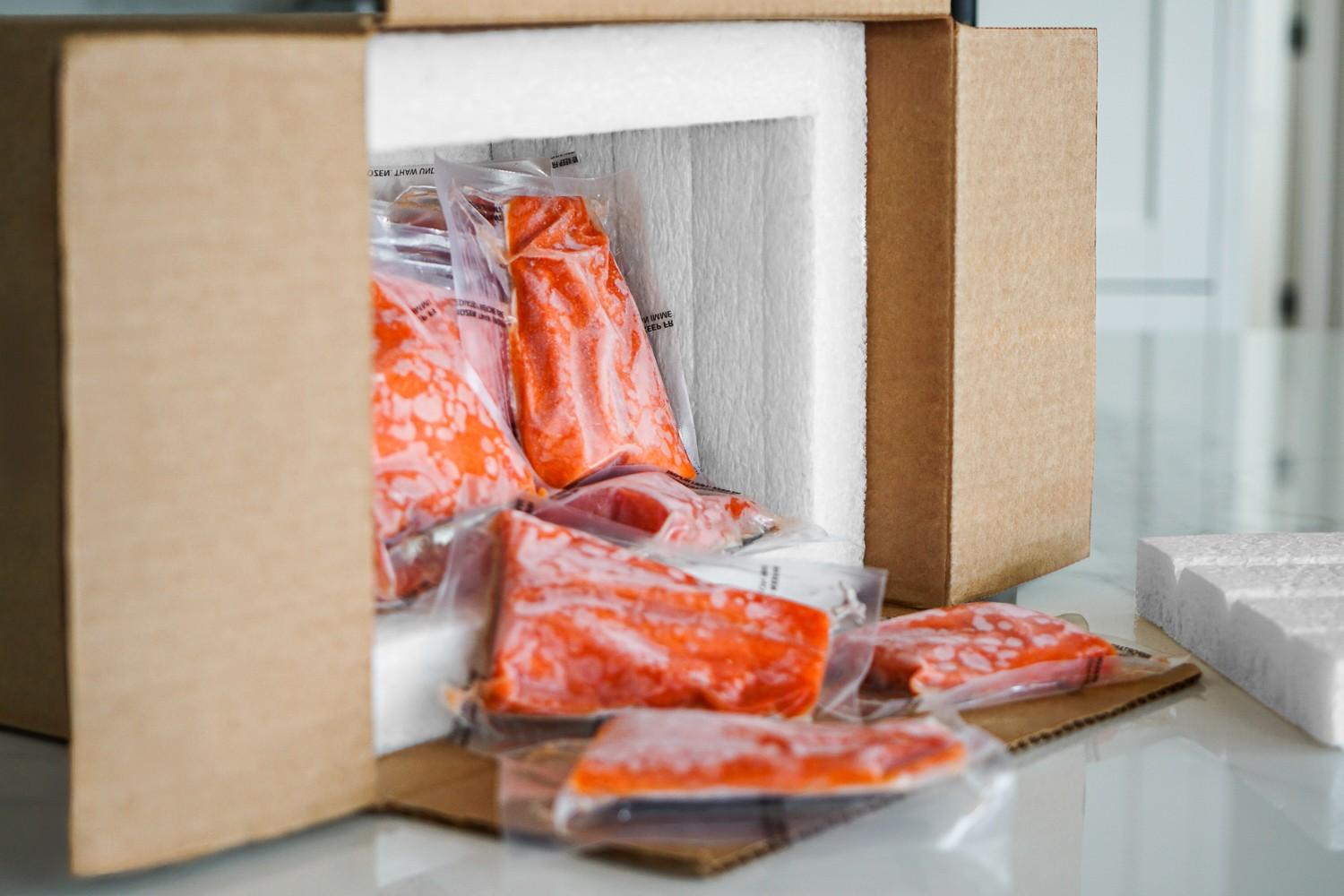

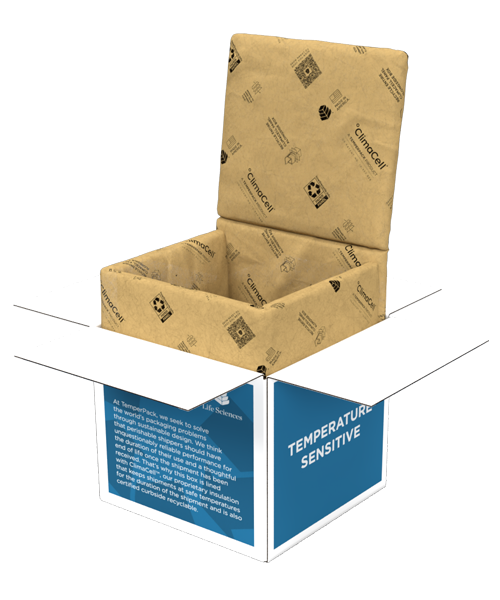
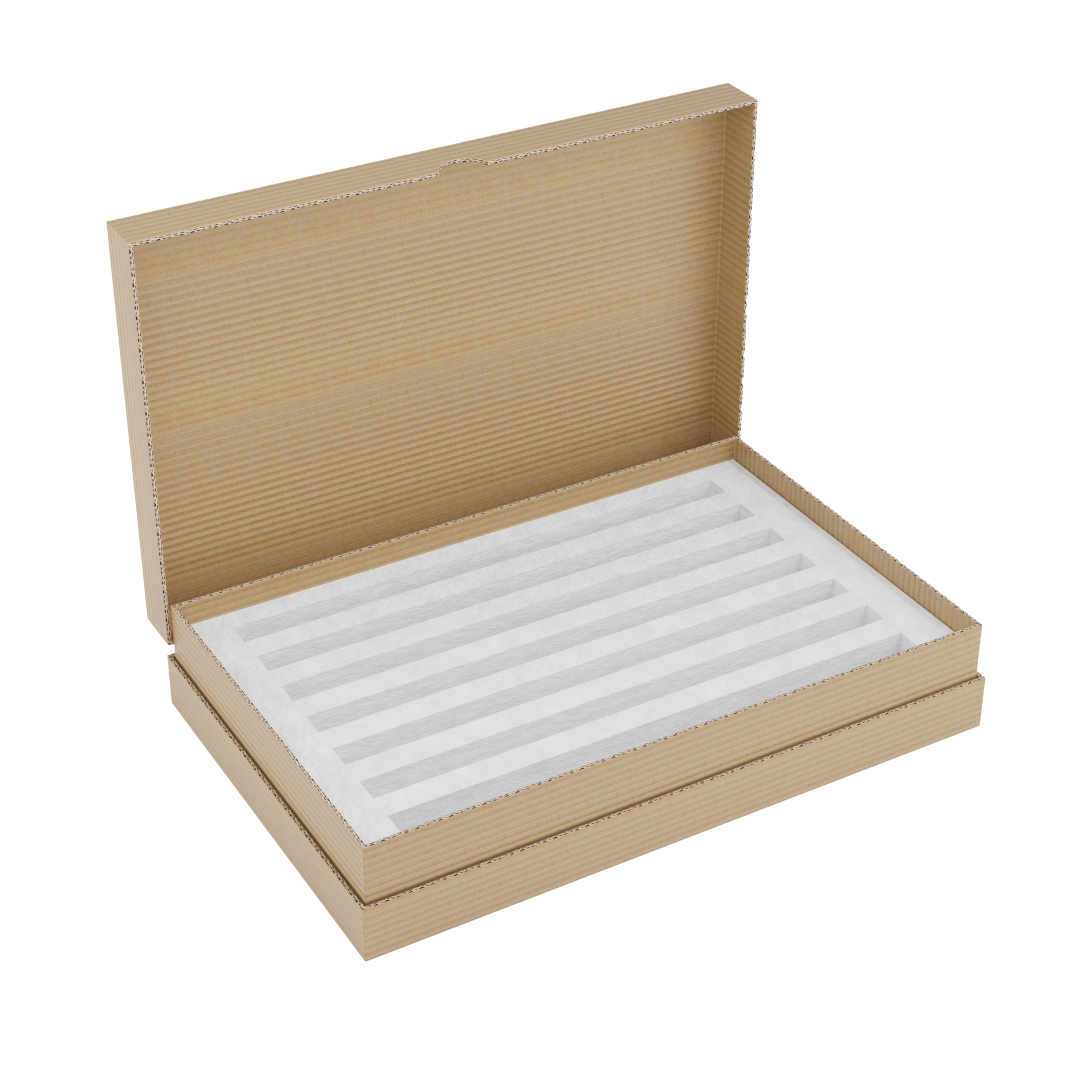
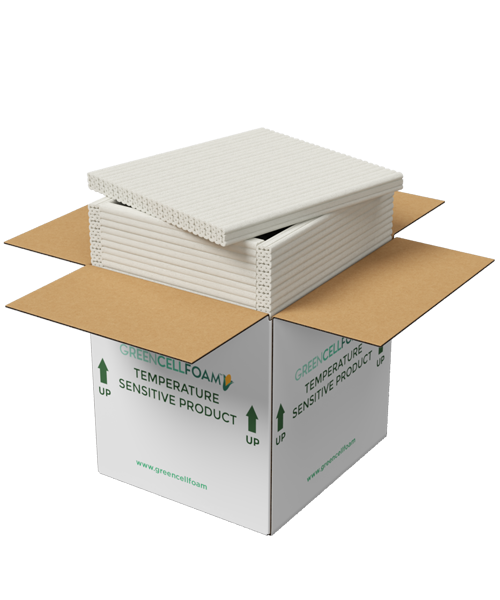

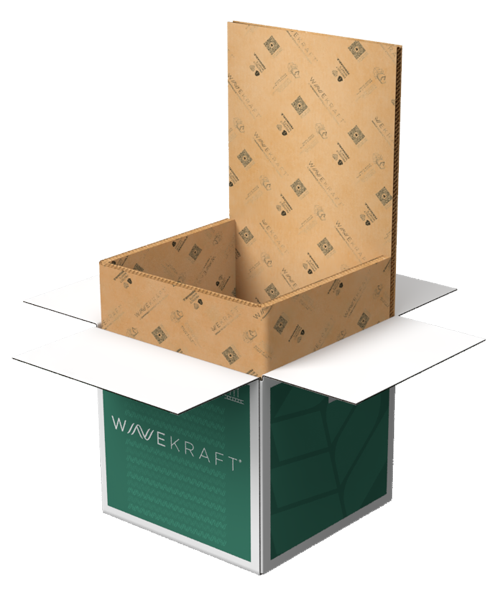
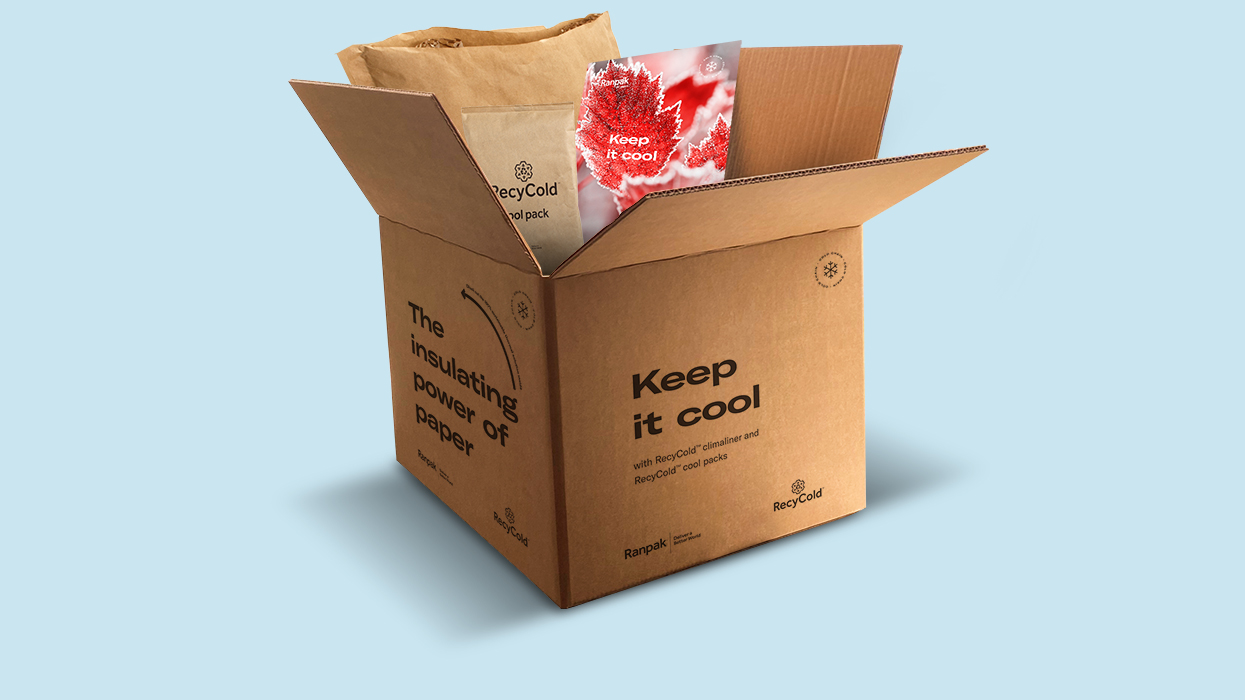

Fiber-Based Insulation and Molded Pulp Coolers Replacing EPS Foam
Recyclable fiber-based insulation and molded pulp coolers provide alternatives to EPS foam coolers for rigid insulated shipping containers requiring multi-day temperature control.
Fiber-based insulation panels use recycled paper, plant fibers (hemp, cotton, jute), recycled denim, sheep's wool, or corrugated structural insulation providing thermal insulation through air-trapping fiber structures fitted inside corrugated shipping boxes. These materials offer compatibility with paper recycling systems (curbside acceptance in most programs when clean and dry), high recycled content percentages (50-100% typical for paper-based options), renewable material sourcing (plant fibers, agricultural waste, sheep's wool), and lighter weight than EPS foam reducing shipping costs. Fiber insulation works for refrigerated shipments (2-8°C) maintaining temperature 24-48 hours typical, moderate frozen applications (-20°C) with adequate material thickness and refrigerant packs, and meal kit delivery, food shipping, and moderate-sensitivity products where transit times are controlled.
However, fiber insulation delivers lower thermal efficiency than EPS foam (R-value per inch typically 30-50% lower than EPS) requiring thicker insulation or more refrigerant packs achieving equivalent performance, moisture sensitivity where wet fiber loses insulation properties necessitating moisture-resistant liners or protective packaging, and typically higher cost than EPS foam (20-60% premium depending on material and volume). Performance works best for 24-48 hour shipments in moderate climates versus extended frozen shipments or extreme temperature conditions. Brands must validate thermal performance through environmental chamber testing, temperature mapping under simulated transit conditions, and field testing matching actual shipping routes and seasonal temperature variations.
Molded pulp insulated coolers use recycled paper pulp, agricultural fibers (sugarcane bagasse, wheat straw), or molded cellulose composites formed into rigid insulated container structures replacing EPS foam coolers entirely. These containers provide structural rigidity eliminating need for separate corrugated boxes in some applications, recyclability in paper systems when clean and dry (similar to egg cartons or molded fiber trays), reduced plastic content versus plastic-lined alternatives, and renewable material sourcing. Molded pulp coolers suit meal kit delivery, direct-to-consumer food shipments, short-duration refrigerated transport (24-48 hours), and brands prioritizing renewable materials and paper recyclability messaging.
However, molded pulp coolers face similar thermal limitations as fiber insulation where performance per inch falls below EPS foam requiring thicker walls or more refrigerant, moisture vulnerability necessitates protective outer packaging or coatings, and typically costs 40-80% more than EPS equivalents. Additionally, molded pulp coolers occupy more shipping volume than flat-pack or nested EPS alternatives reducing storage efficiency before assembly. These work best for premium positioned products (organic meal kits, specialty foods) where sustainability messaging justifies cost premiums and customers value paper-based packaging over foam.
EPS foam performance benchmark shows thermal efficiency gap requiring honest assessment. EPS foam provides R-value 3.6-4.2 per inch enabling thin-wall designs, extremely low moisture absorption maintaining performance when wet, lowest cost per thermal unit, and decades of proven field performance data across diverse shipping conditions. EPS recycling acceptance varies dramatically where some regions have drop-off recycling programs accepting foam while most curbside programs reject EPS due to contamination concerns and processing limitations, creating bulky waste that frustrates consumers. The sustainability trade-off: fiber alternatives improve recyclability and use renewable materials while sacrificing thermal efficiency and increasing costs.
Recyclable Insulated Liners and Bag Alternatives
Insulated liners and thermal bags provide lightweight temperature maintenance for shorter transit durations, with sustainable alternatives replacing traditional multi-layer plastic laminates.
Traditional insulated liner construction uses multi-layer laminates combining metallized PET films (reflective barrier), polyethylene bubble insulation (air-trap thermal barrier), foam layers, and adhesive laminations creating non-recyclable structures common in meal kit and specialty food shipping. These liners look like metallic bubble-wrap bags fitted inside corrugated boxes providing lightweight insulation for 24-48 hour shipments. However, permanently bonded layers (metallized film, bubble plastic, foam) cannot separate during recycling causing entire liners to reach landfills despite plastic content. This multi-material challenge mirrors traditional flexible packaging recycling problems.
Recyclable mono-material insulated liners use polyethylene bubble structures where all components belong to same plastic family enabling recycling through store drop-off plastic film programs. These liners eliminate metallized films and mixed plastics using PE bubble insulation, PE reflective layers or natural insulation, and heat-sealable PE construction. Recyclable liners maintain adequate thermal performance for refrigerated shipments (24-36 hours typical), reduce non-recyclable waste versus traditional laminates, and align with broader flexible packaging recyclability initiatives. However, store drop-off recycling access (80% population) doesn't equal recovery (under 5% participation rate), thermal performance may fall slightly below metallized laminates, and cost premiums of 20-40% versus traditional liners affect economics.
Paper-based insulated mailers use recycled paper padding, corrugated insulation layers, or kraft paper with minimal coatings providing curbside recyclable alternatives for lightweight cold chain applications. Paper-based options work for chocolate shipping (preventing melting during warm weather), supplement delivery (moderate temperature maintenance), cosmetics requiring cool storage, and wine shipping (temperature buffering). These achieve significantly higher recycling participation (60-70% paper recycling participation versus under 5% store drop-off) but deliver lower thermal performance suitable only for 12-24 hour protection in moderate climates. Paper insulation weakens when wet requiring moisture protection strategies.
Compostable insulated liners use plant fiber batting, starch-based insulation, or compostable film layers designed for industrial composting. These materials suit brands prioritizing compostable packaging systems for food delivery where packaging and food waste compost together. However, most require industrial composting facilities (20% U.S. population access), thermal performance typically lower than recyclable alternatives, and cost premiums of 40-80% versus traditional liners. Compostable liners work best in markets with strong industrial composting infrastructure (Seattle, San Francisco, Portland) or controlled environments (corporate meal delivery with composting programs).
How to Choose Sustainable Cold Chain Packaging Suppliers
electing suppliers requires validating thermal performance maintaining product safety, assessing material recyclability and infrastructure compatibility, confirming logistics and operational fit, and balancing sustainability goals with cost and performance realities.
Request thermal performance testing data matching your specific application. Cold chain packaging must maintain required temperatures throughout distribution preventing product spoilage, degradation, or safety issues. Suppliers should provide environmental chamber testing simulating seasonal temperature extremes (summer heat, winter cold), temperature mapping data showing performance over transit duration (24 hours, 48 hours, 72+ hours), ISTA 7D or similar cold chain testing protocols validating real-world performance, and R-value or thermal conductivity specifications enabling performance comparison across materials. Different products require different temperature control where refrigerated produce tolerates brief temperature excursions while pharmaceuticals require strict 2-8°C maintenance validated through qualification studies, frozen foods need consistent -20°C, and biologics may require -60°C deep frozen with continuous monitoring. Test supplier packaging with your actual products under realistic shipping conditions (seasonal temperatures, typical carrier transit times, handling variations) before committing to full adoption. Thermal performance failures cause product loss, customer complaints, potential safety issues, and damage to brand reputation.
Assess material recyclability and disposal infrastructure compatibility. Fiber-based insulation and molded pulp coolers claim recyclability, but actual recovery depends on consumer access and participation rates. Verify whether materials are compatible with curbside paper/cardboard recycling programs in target markets, contamination tolerance (food residue, moisture exposure affecting recyclability decisions at MRFs), regional acceptance variations (some programs reject food-soiled molded pulp), and realistic consumer disposal behavior (will customers actually recycle or default to trash convenience?). For insulated liners, clarify whether store drop-off or curbside recycling applies and communicate requirements clearly to consumers through How2Recycle or similar labeling. For reusable systems, confirm reverse logistics feasibility including customer return rates from pilot programs or industry benchmarks, collection methods (pickup schedules, drop-off locations, prepaid shipping labels), cleaning and sanitation requirements meeting food safety or pharmaceutical standards, and container tracking systems preventing loss.
Verify packaging compatibility with existing logistics and operations. Sustainable alternatives must integrate with current shipping processes without major disruptions affecting order fulfillment and customer delivery. Evaluate compatibility with standard corrugated box sizes (fiber insulation panels must fit without forcing), refrigerant pack configurations and quantities maintaining temperature, automated or manual packing workflows (changeover time, training requirements), pallet efficiency and shipping density (cost per cubic foot impacts economics), and carrier requirements (weight limits, dimensional restrictions, hazardous material regulations for some refrigerants). Some fiber insulation systems require different packing sequences than EPS coolers where refrigerant placement matters more. Molded pulp coolers may have different stacking strength than EPS affecting pallet configuration and warehouse storage. Suppliers should provide operational guidance, packing instructions, and training materials supporting smooth transitions. Request samples for internal packing trials validating workflow compatibility before committing to large orders.
Balance thermal performance, sustainability, and cost realities through total cost assessment. Sustainable cold chain packaging typically costs more than EPS foam requiring honest cost-benefit evaluation. Fiber insulation costs 20-60% more than EPS, molded pulp coolers cost 40-80% more, recyclable insulated liners cost 20-40% more than traditional laminates, reusable systems require 10-30x upfront investment (amortized over reuse cycles), and advanced PCM or alternative refrigerants cost 20-50% more. Calculate total landed cost including material costs, potential product loss from thermal failures (spoilage, customer returns), shipping weight impacts (fiber insulation may weigh more requiring higher freight costs despite lower material density), customer satisfaction effects (packaging experience, disposal convenience), and brand value from sustainability positioning supporting premium pricing or customer loyalty. Some premium brands absorb cost premiums through pricing strategies. Budget-conscious brands may adopt hybrid approaches (sustainable packaging for short routes or summer shipping, EPS for challenging longer shipments or extreme conditions). Right-size packaging reducing unnecessary insulation thickness and refrigerant quantity optimizes both cost and environmental impact.
Do sustainable cold chain solutions perform as well as styrofoam?
