

Recyclable vs Recycled Content: What's the Difference?
Recyclable and recycled content sound similar but mean completely different things. Learn legal definitions, PCR vs PIR, and how to make accurate claims.
.png)
The terms "recyclable" and "recycled content" sound like they should mean the same thing. They don't. Confusing them is one of the fastest ways to greenwash your packaging, and in the regulatory environment of 2026, one of the easiest ways to face enforcement action. Here is what each term actually means, why the distinction matters, and how to use both correctly.
The Core Difference: What Each Term Actually Means
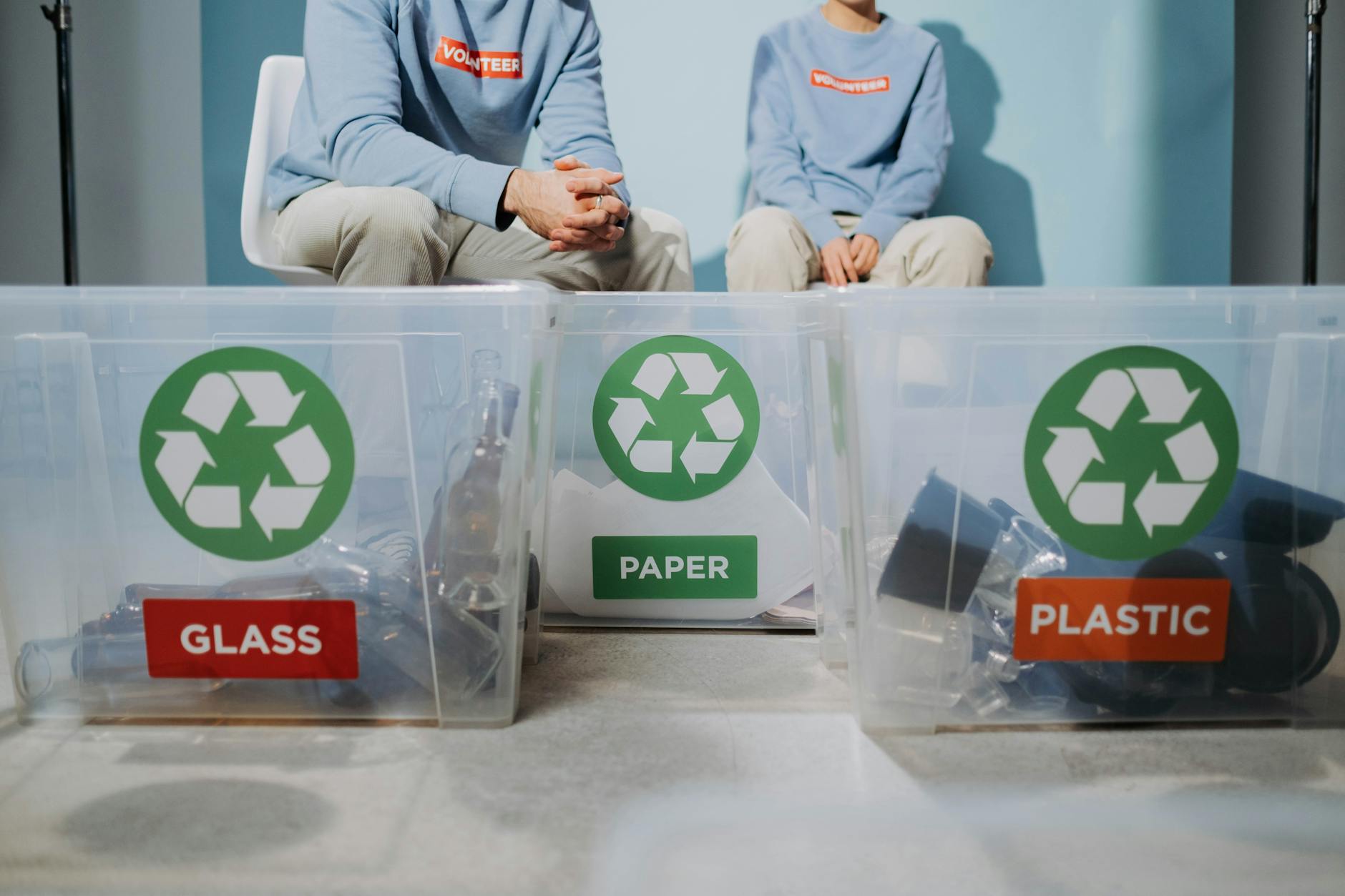
"Recyclable" describes what happens to your packaging after someone throws it away. It means the package can be collected, sorted, and reprocessed into new material if the infrastructure exists to do so. A recyclable claim is forward-looking: it tells the consumer this package has a potential second life.
"Recycled content" describes what your packaging is made from today. It means the package contains material that was previously used, recovered from the waste stream, and reprocessed into the product you are holding. A recycled content claim is backward-looking: it tells the consumer that waste material was diverted to make this package.
A package can be recyclable without containing any recycled content (a virgin PET bottle accepted in curbside programs). A package can contain recycled content without being recyclable (a multilayer pouch made with post-consumer PE film that has no end-of-life pathway in most markets). A package can be both. A package can be neither.
The FTC Green Guides, which govern environmental marketing claims in the United States, treat these as distinct claims with separate substantiation requirements. Mixing them up is not a minor terminology error. It is the difference between a truthful claim and a misleading one. Our post on greenwashing explained covers the most common patterns worth watching for, and conflating these two terms is near the top of the list.
Why This Distinction Matters
The legal and reputational stakes are real and growing.
Under the FTC Green Guides, an unqualified "recyclable" claim requires that recycling facilities are available to at least 60% of consumers or communities where the product is sold. If access is lower, you must qualify the claim, typically with a statement like "Check locally, as recycling facilities may not be available in your area." The substantiation requirement is evidence-based: you need to demonstrate that the material is actually collected, sorted, and reprocessed at scale, not just theoretically recyclable.
California's SB 343 goes further. The law prohibits the use of the chasing-arrows symbol or the term "recyclable" on packaging unless the material type is collected and processed at scale by recycling programs statewide. CalRecycle is now publishing acceptance data to verify claims, and enforcement begins October 2026.
Recycled content claims have their own rules. You must state the percentage and specify whether it is post-consumer (PCR) or pre-consumer/post-industrial (PIR). Vague claims like "made with recycled materials" without percentages are considered deceptive. For food-contact packaging, you also need FDA clearance before you can use post-consumer recycled plastic.

Recyclable in 2026: A More Quantifiable Standard
The meaning of "recyclable" is becoming more precise and more enforceable. In the past, a brand could point to the theoretical recyclability of a material and make a claim. That is no longer enough.
The 60% access threshold is a floor, not a finish line. National acceptance data shows that curbside recycling programs accept rigid PET bottles and aluminum cans at rates well above 90%, while acceptance of flexible PE film sits at roughly 3%. A PET water bottle can carry an unqualified recyclable claim. A stand-up pouch cannot, even if the structure is technically monomaterial PE.
What counts is real-world infrastructure. Can the package be sorted by the equipment in use at U.S. materials recovery facilities? Does a market exist for the sorted bales? Is the material actually being reprocessed into new products, or is it being landfilled? This is where programs like How2Recycle become useful. The label specifies the pathway ("Widely Recyclable," "Check Locally," "Store Drop-Off") based on acceptance data and design assessments. That transparency is increasingly what regulators expect and what informed consumers demand. Our post on whether your packaging is actually recyclable covers the full infrastructure picture behind these labels.
Extended Producer Responsibility (EPR) programs in states like Colorado and Oregon add another layer. Brands will report packaging format, material composition, and recyclability status to Producer Responsibility Organizations, and fees will often be calibrated to reward truly recyclable designs. Calling something recyclable when it is not will cost you money, not just credibility. Our post on packaging EPR explained covers which states are active and what compliance requires.
Recycled Content Explained: PCR vs PIR
When you say your package contains recycled content, the next question is: recycled from what?
Post-consumer recycled content (PCR) comes from products that were used by consumers, discarded, collected, and reprocessed. A PET bottle that was filled, sold, consumed, tossed in a bin, sorted at an MRF, baled, and sent to a reclaimer becomes PCR resin. This is the form of recycled content with the highest environmental and marketing value because it closes the loop on material that would otherwise have been landfilled or incinerated.
Pre-consumer or post-industrial recycled content (PIR) comes from manufacturing scrap — material that never reached a consumer. Edge trim from a film extrusion line, rejected parts from an injection molding run, or off-spec resin batches can be ground and reprocessed as PIR. It is still diverted waste and still reduces virgin material use, but it does not address the end-of-life challenge that most people think of when they hear "recycled."
Under the EPA's definitions aligned with ISO 14021, both PCR and PIR count as recycled content, but you must distinguish between them in your claims. Saying "30% recycled content" without specifying PCR or PIR can be misleading if a consumer assumes post-consumer and you are using post-industrial.
California's AB 793 sets minimum PCR requirements for plastic beverage containers: 25% as of early 2025, rising to 50% by 2030. These mandates apply only to post-consumer material. Post-industrial content does not count toward compliance — a regulatory distinction that reflects the reality that PCR is harder to source, more expensive, and more meaningful from a circular-economy perspective.
The Flexible Packaging Paradox: PCR Without Recyclability
One of the most common misconceptions in sustainable packaging is assuming that using recycled content automatically makes your package recyclable. Flexible packaging exposes the gap.
Several suppliers now offer polyethylene films with 30% or higher post-consumer recycled content. The PCR comes from collected PE film, often from store drop-off programs, that has been cleaned, reprocessed, and compounded back into resin suitable for film production. For certain applications, including some food-contact uses, these PCR-PE films have earned FDA clearance and are being used commercially.
That is real progress. But here is the limitation: a pouch made from PCR-PE is not necessarily recyclable.
According to the APR Design Guide, a PE flexible structure is considered compatible with recycling pathways only if it is monomaterial (at least 90% PE by weight), free of incompatible inks and adhesives, and proven to perform in PE film recycling streams. Even then, the end-of-life pathway is almost never curbside — it is store drop-off. And acceptance data shows that PE shopping bags are accepted at only about 3% of curbside programs, with recent investigations raising serious questions about whether collected film is actually being recycled or ending up in landfills.
So you can truthfully claim "This pouch contains 30% post-consumer recycled content" while also being required to label it "Store Drop-Off" with significant qualification. These are not contradictory statements. They describe two different attributes of the same package. The paradox highlights why brands need to think about both independently: using PCR reduces demand for virgin plastic and supports the economics of film collection programs, while designing for recyclability creates an end-of-life pathway once the package enters the waste stream. Ideally you do both, but one does not guarantee the other. Our recyclable flexible packaging page covers the mono-material structures that are genuinely moving toward both attributes.

How to Make Accurate Claims and Avoid Greenwashing
For recyclable claims: Start by mapping the infrastructure. Use How2Recycle's acceptance data, ask your packaging supplier about sortability and MRF compatibility, and if you are using a novel structure, get it tested under APR protocols. If national or state-level access is above 60%, you can likely make an unqualified claim. If it is lower, qualify it clearly. If the only pathway is store drop-off, say so and provide instructions. Do not use the chasing-arrows symbol in California unless the material type is accepted statewide at scale. Our recyclable packaging page covers the formats with the strongest infrastructure backing today.
For recycled content claims: State the percentage and specify PCR or PIR. Work with your resin supplier or converter to get chain-of-custody documentation. If the claim will appear on packaging, consider third-party certification from organizations like SCS Global Services that verify recycled content against ISO 14021 standards. For food-contact applications, confirm that your supplier has FDA clearance before making any PCR claims.
Distinguish the claims on-pack: If your package is recyclable and contains recycled content, state them separately. "Made with 25% post-consumer recycled plastic" is one claim. "Bottle widely recyclable" is another. Do not blend them into a single statement that implies one proves the other.
When in doubt, be conservative: If you are not certain about access, recyclability, or chain-of-custody for PCR, soften the language or skip the claim. The regulatory and reputational risk of an unsupported claim is far higher than the benefit of making a marginal sustainability statement.
What This Means for Your Packaging Decisions
Understanding the difference between recyclable and recycled content gives you a clearer framework for evaluating your options.
If your priority is reducing virgin plastic use and supporting the recycling industry, adding PCR makes sense even if the package format itself has limited recyclability. Flexible packaging with PCR, rigid containers with rPET, injection-molded parts with recycled HDPE all reduce demand for virgin resin and create market pull for collected material. California's beverage-container mandates and similar rules in other states mean PCR is becoming table stakes in certain categories.
If your priority is giving your package a credible end-of-life pathway, focus on formats and materials that are actually collected and reprocessed at scale in your target markets. Aluminum cans, PET bottles, glass, corrugated, all widely recyclable. HDPE bottles for non-food applications recyclable where programs accept them. Monomaterial PE films recyclable via store drop-off if the structure is compatible and consumers have access to functioning programs.
The best scenario is both: a package made with meaningful PCR and designed to be recyclable at end of life. PET bottles with 25 to 50% rPET that go into curbside bins and get turned into new bottles or fiber. Aluminum cans with recycled aluminum content, often 70% or higher, that are recyclable without quality loss. The toughest scenario is flexible packaging, where the material science, economics, and infrastructure are all still evolving. If you are in a category that depends on flexible formats, expect to make trade-offs and be transparent about them.
The Bottom Line
The confusion between recyclable and recycled content is not accidental. The terms are close enough that they blur together in casual conversation, and for brands looking to make a sustainability claim without doing the work, that blur is convenient. But convenience is not credibility.
The industry is moving toward more precise, more enforceable definitions. The FTC is reviewing updates to the Green Guides. California and other states are passing laws that tie recyclable claims to real-world infrastructure data. EPR programs are making packaging producers financially responsible for the accuracy of their claims. The EU's Packaging and Packaging Waste Regulation is setting recyclability-at-scale requirements for 2030 and beyond.
In that environment, the brands that will build trust are the ones that get the terminology right, substantiate their claims with third-party data, and tell the complete story including the parts that are not perfect yet. If your pouch contains PCR but is not curbside recyclable, say both. If your bottle is recyclable but does not yet contain recycled content, own that and explain what you are working on. Transparency is not a liability. In a category full of vague, unverified green claims, it is your competitive advantage.
Sustainable packaging can be complicated, but we are here to change that. If you already know what you need, our free search tool gets you there fast. If you want to explore what's out there, our sustainable packaging suppliers directory covers companies across every format and category. And if you'd rather have us help you find the right fit, get in touch and we'll point you in the right direction.
Packaged Sustainable Team
