

Compostable Chip Bags: Do They Actually Work? The Honest Answer
Are compostable chip bags legit or are they just another example of greenwashing? Let's explain that clearly and truthfully.
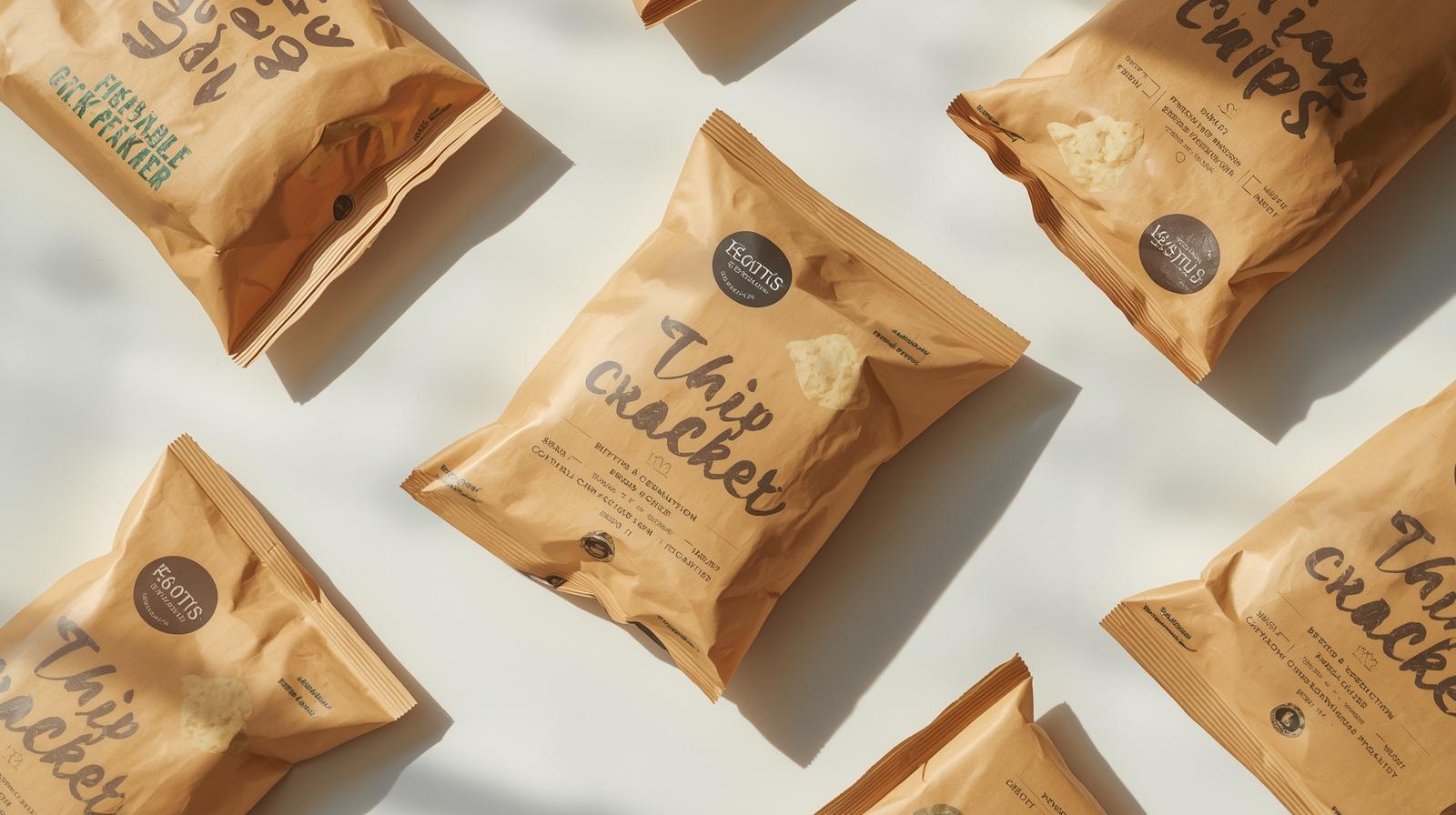
Compostable chip bags are showing up on more shelves and in more brand sustainability pitches than ever. The claims sound compelling. But if you are evaluating this format for your snack brand, the question that actually matters is not whether compostable chip bags can work. It is whether they will work in the markets where you sell, given the composting infrastructure your customers can actually access. The honest answer is more nuanced than most supplier marketing suggests, and getting it right before you commit protects both your brand and your sustainability credibility.
One quick note before we get into it: PS curates supplier information from publicly available sources and supplier submissions. We don't independently verify every claim, and that's your job as the buyer. Throughout this post we flag the specific questions to ask, the certifications to look for, and the infrastructure realities to verify. Use this as your preparation guide, not your final answer.
The Short Answer: Sometimes
Certified compostable chip bags can break down exactly as designed in well-managed industrial composting systems. Extensive field testing by the Composting Consortium confirms that certified flexible films disintegrate reliably under optimized industrial conditions. The material science works.
The problem is infrastructure and access. According to EPA data from its Advancing Sustainable Materials Management report, only a small fraction of U.S. food waste currently reaches composting facilities. The Composting Consortium and BioCycle's 2023 survey of curbside organics programs found that roughly 56% of those programs don't accept compostable food packaging at all. So while the material can compost, most of it still ends up in the trash.
That gap between technical capability and real-world end-of-life is the entire story of compostable chip bags today.
What "Compostable" Actually Means on a Chip Bag
The words matter and they are not interchangeable. A chip bag labeled "compostable" without further qualification almost always means industrially compostable. That means it will break down in a commercial composting facility running at sustained high temperatures, with controlled moisture and aeration, over a period of weeks to months. It does not mean the bag will disappear in your backyard compost pile.
Home composting operates at lower, more variable temperatures and longer, less predictable timelines. A bag certified as industrially compostable may sit intact in a backyard bin for a year or more.
Home compostable chip bags do exist. They typically use cellulose-based films that break down at ambient temperatures. Two Farmers in the U.K. launched a home-compostable crisp packet using accredited cellulose laminates. But these films deliver weaker oxygen and moisture barriers than industrial-only compostable structures, which can meaningfully shorten shelf life for high-fat snack products. In the U.S. market, the vast majority of compostable flexible packaging for chips is designed for industrial systems, not home bins.
The practical rule: if the label says "commercially compostable" or carries a BPI certification mark without a home-compost callout, you need access to an industrial composting facility for the packaging to reach its intended end-of-life.
The Certification That Matters
Not every bag labeled "compostable" has been independently verified. The certification that carries weight with composters and regulatory agencies is BPI (Biodegradable Products Institute) certification, which tests products against ASTM D6400 and related standards.
ASTM D6400 requires that a material biodegrade at least 90% within 180 days under controlled composting conditions, disintegrate so that no more than 10% remains on a 2mm sieve after 12 weeks, and produce compost that supports plant growth without toxicity. BPI also restricts PFAS: no intentionally added PFAS and total organic fluorine below 100 ppm, which matters particularly given the PFAS packaging bans now in effect across twelve U.S. states. Our post on PFAS food packaging bans by state covers that regulatory landscape in detail if it's relevant to your markets.
Field testing standards are also evolving. ASTM recently published D8618 and D8619, which measure disintegration in real-world composting piles rather than controlled reactors. These field tests help verify that certified packaging actually breaks down at commercial scale under the variable conditions of real composting operations.
When evaluating a compostable chip bag, look for the BPI mark and confirm the certification scope matches your actual disposal pathway. Industrial certification does not help if your local program requires home-compostable materials, and vice versa.
The Infrastructure Gap: Where Can You Actually Compost Them?
The U.S. has roughly 200 composting facilities that accept food waste, plus another 2,700 that process yard trimmings only, according to infrastructure mapping by Closed Loop Partners. Access varies dramatically by region. San Francisco, Seattle, and a handful of progressive metro areas have curbside organics pickup that may accept certified packaging. Much of the rural and suburban U.S. has no accessible composting drop-off that takes packaging, even if it accepts food scraps.
The composter acceptance question is also more nuanced than it appears. BioCycle's 2023 survey found that 56% of curbside organics programs exclude compostable food-contact packaging. The reasons cited include contamination from look-alike conventional plastics, resident confusion, and concerns about PFAS and disintegration timelines. A compostable chip bag may be technically accepted by the facility that processes your city's organics, but the city's own program rules may tell residents not to include it in their cart. That disconnect is improving as labeling gets clearer and field data accumulates, but it remains a real barrier today.
Real-World Examples
A few brands have moved beyond pilot projects to commercial launches. Their approaches reflect the infrastructure realities.
Frito-Lay launched industrially compostable bags for its Off The Eaten Path brand in partnership with composting programs and a mail-back option. Rather than assume customers have local access, the brand created a take-back pathway to route bags to facilities that accept them. That model acknowledges the infrastructure gap and works around it directly.
In the U.K., Two Farmers uses a home-compostable cellulose laminate for its crisp packets, certified to EN 13432 home standards. The regulatory and consumer context in Europe is different — home composting is more common and the policy framework has pushed faster adoption. That same structure is harder to execute in the U.S. today, though it is a proof point for what is technically possible.
Both examples share a common thread: they paired the packaging innovation with a real end-of-life plan. Compostable chip bags launched without a clear disposal pathway tend to default to landfill, which defeats the purpose and creates greenwashing exposure.
State Laws Are Tightening the Rules
A handful of states are moving faster than federal agencies to regulate compostable claims and packaging standards.
Washington requires third-party certification and specific labeling language as of January 2024. Products labeled compostable must meet ASTM or ISO standards and carry certification from BPI, TÜV Austria, or an equivalent body. Labels must include a "commercially compostable" qualifier unless the product is certified home compostable.
Colorado enacted similar rules effective July 2024. California's AB 1201 goes further, adding a constraint tied to USDA Organic standards: compostable products used in California must be compatible with compost that meets organic agriculture input requirements. That rule has faced implementation delays and is currently expected to take effect in mid-2027, though brands selling in California should verify current status with California DTSC directly as timelines have shifted before.
For brands selling nationally, the safest approach is to design to the strictest state requirements: BPI certification, PFAS restrictions, clear commercial versus home labeling, and readiness to document compliance with organic compost input standards.
Should Your Brand Consider Compostable Chip Bags?
The decision depends on your distribution footprint, your customer base, and your willingness to invest in end-of-life infrastructure. Compostable chip bags make sense when at least two of these conditions apply: you sell primarily in metro areas with robust curbside organics programs that explicitly accept certified packaging; you are prepared to fund a take-back or mail-in composting program; your customers actively compost at home and you are willing to invest in a home-compostable certification; or you are targeting retail or foodservice channels that have organics diversion programs already in place.
If your distribution is national, your customers are in areas without composting access, and you don't have budget for take-back logistics, compostable packaging will likely default to landfill. In that case a recyclable mono-material structure or a reduction in total packaging weight may deliver better real-world environmental outcomes. Our compostable snack packaging page covers the supplier landscape and material options across this category. If you are still weighing compostable against recyclable, our guide to recyclable vs compostable packaging covers that decision in depth.
This is not an argument against compostable chip bags. It is an argument for matching the packaging format to the infrastructure reality of the markets where you operate. Compostable packaging is genuine progress when it reaches a composting facility. It is greenwashing when it sits in a trash can because no viable pathway exists.
The Bottom Line
Certified compostable chip bags are not vaporware. They break down as designed under the right conditions, field testing validates the performance, and brands like Frito-Lay and Two Farmers have demonstrated commercial viability. The material science is real, the certification standards are robust, and the regulatory environment is tightening in ways that will reduce greenwashing and improve composter confidence.
The bottleneck is access. Most U.S. households still lack convenient composting infrastructure, and most municipal organics programs remain cautious about accepting packaging. That gap is narrowing as investments in food-waste composting accelerate and as clearer labeling reduces contamination. But today, in most of the country, a compostable chip bag still ends up in the trash. If you are a brand evaluating this option, start with infrastructure mapping and end-of-life planning before you commit to a material. Work with your packaging supplier to identify BPI-certified structures, pilot with local composters using the new ASTM field standards, and design labeling that meets Washington, Colorado, and California requirements.
Compostable chip bags are progress, not perfection. They represent a meaningful step forward for brands committed to diverting organic waste from landfill. They just need the infrastructure, the certification, and the honest communication to deliver on that promise in practice.
Sustainable packaging can be complicated, but we are here to change that. If you already know what you need, our free search tool gets you there fast. If you want to explore what's out there, our sustainable packaging suppliers directory covers companies across every format and category. And if you'd rather have us help you find the right fit, get in touch and we'll point you in the right direction.
Packaged Sustainable Team