Sustainable Beverage Packaging: Materials, Formats, and Suppliers

Last updated on:

March 23, 2026

Sustainable beverage packaging includes recyclable PET bottles, aluminum cans, glass containers, and paper-based cartons designed to reduce environmental impact for water, soft drinks, juices, sports drinks, coffee, tea, and alcoholic beverages through increased recycled content, lightweighting, and refillable systems. Many beverage companies are exploring sustainable packaging because traditional formats generate significant material use and waste at global scale, with billions of bottles and cans produced annually. However, sustainable beverage packaging must maintain barrier protection against oxygen and light (carbonation retention for sodas, flavor preservation for juices), withstand distribution handling and temperature fluctuations, and achieve actual recycling recovery rather than just technical recyclability where PET bottles reach 29% U.S. recycling rate despite 95%+ curbside acceptance, and aluminum achieves 52% rate (85%+ in deposit states). On this page, we explain sustainable beverage packaging materials (PET with recycled content, aluminum cans, glass bottles, paper cartons with performance trade-offs), packaging formats and design strategies (lightweighting, mono-material structures, refillable systems), and how to choose suppliers providing barrier testing data, recycled content verification, and manufacturing scale capability.

Featured Solutions and Suppliers

Interested in a solution? Click "Contact Supplier" and get connected to the supplier. No obligation.

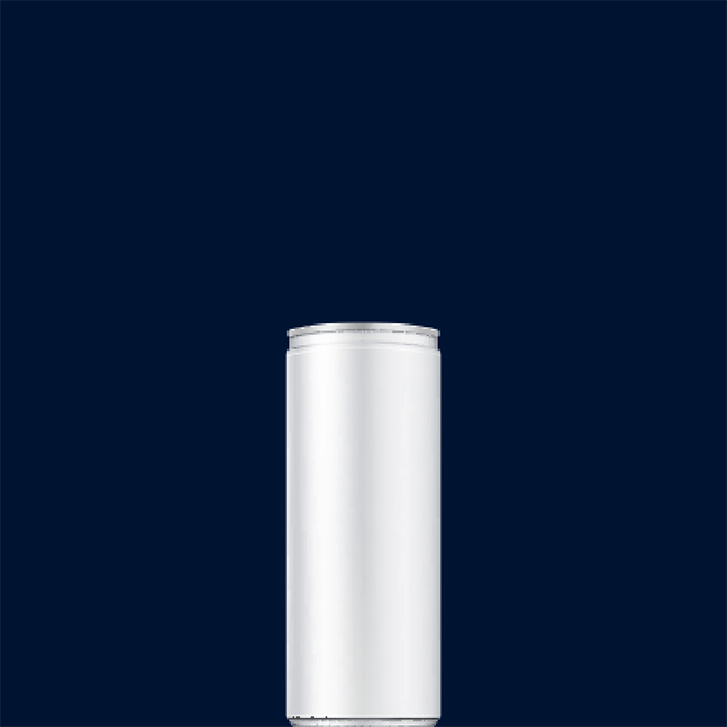
Aluminum Can from Crown Holdings
Description:
12oz aluminum can for beverages.
Why it's sustainable:
Made from recyclable aluminum.
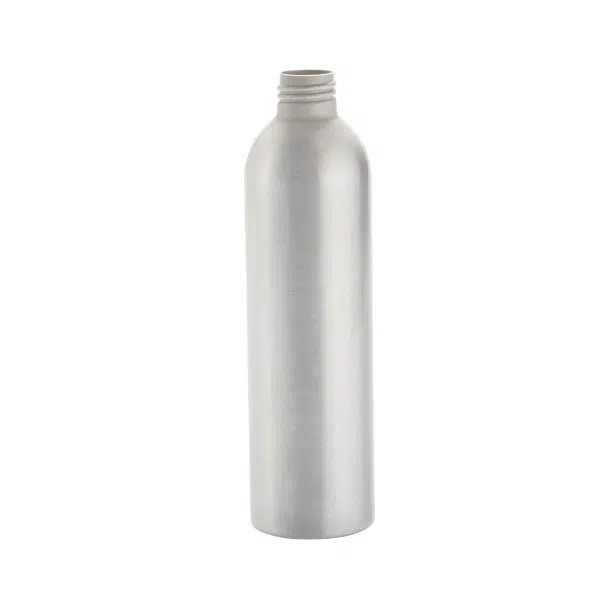
Aluminum Threaded Bottle by Trivium
Description:
Sustainable threaded aluminum bottles for home & personal care products.
Why it's sustainable:
100% recyclable aluminum bottle bottles are ideal for a wide variety of personal care, beauty and other household products, including shampoos and conditioners, skin lotions, soaps and body washes, after-sun lotions, pills and foam dispensers. They are available in diameters of between 35mm to 66mm and heights of 85mm to 260mm, with a variety of closure and shape options. And they’re fully compatible with existing pumps, foamers and misters. Aluminum bottles are rust-proof, refillable and infinitely recyclable. Unlike plastics, metal can be recycled over and over without any loss of quality. And as awareness of the impact of plastic waste grows, consumers and governments alike are becoming more proactive in seeking sustainable alternatives.
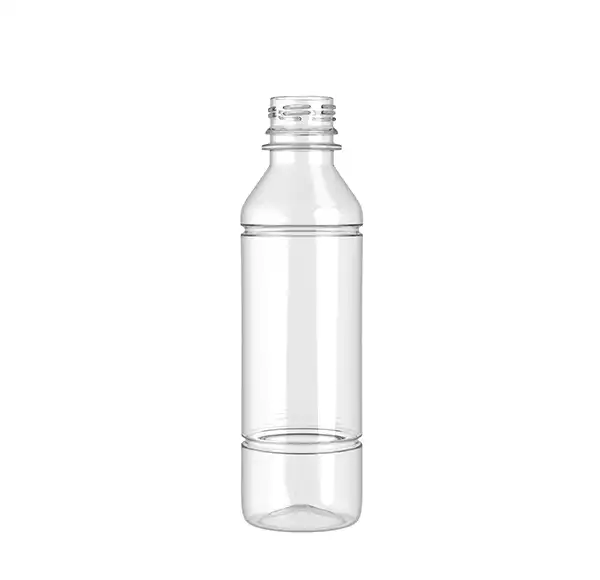
250ml PET Bottle by Petainer
Description:
Recyclable PET bottle.
Why it's sustainable:
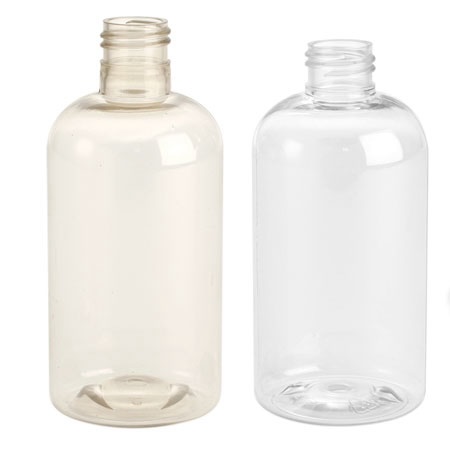
Petainer’s recyclable PET Plastic Bottles offer a lightweight, shatterproof, and economical solution for your packaging needs. As a trusted manufacturer and wholesaler, we supply bottles in various sizes and neck types, tailored to meet industry demands. Designed for recyclability and product integrity, our PET bottles align with modern sustainability goals while ensuring the highest standards of quality and practicality.
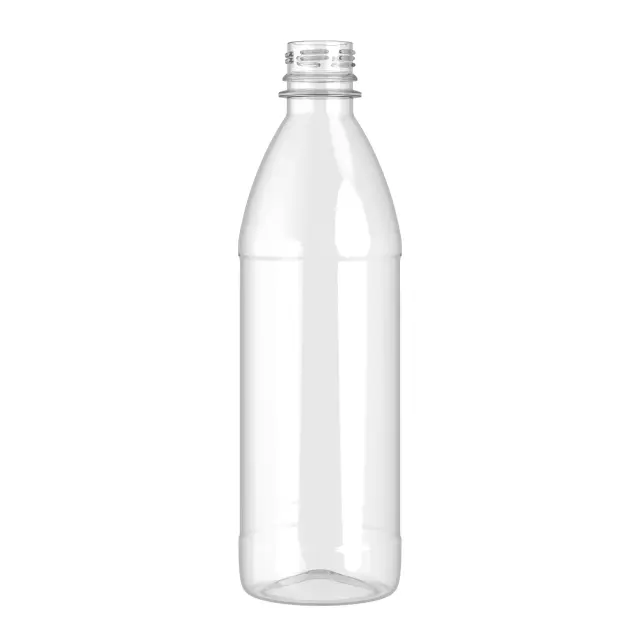
500ml PET Water Bottle by Petainer
Description:
Recyclable bottle for water and more.
Why it's sustainable:
Petainer’s recyclable PET Plastic Water Bottles offer a lightweight, shatterproof, and economical solution for your packaging needs. As a trusted manufacturer and wholesaler, we supply bottles in various sizes and neck types, tailored to meet industry demands. Designed for recyclability and product integrity, our PET bottles align with modern sustainability goals while ensuring the highest standards of quality and practicality.
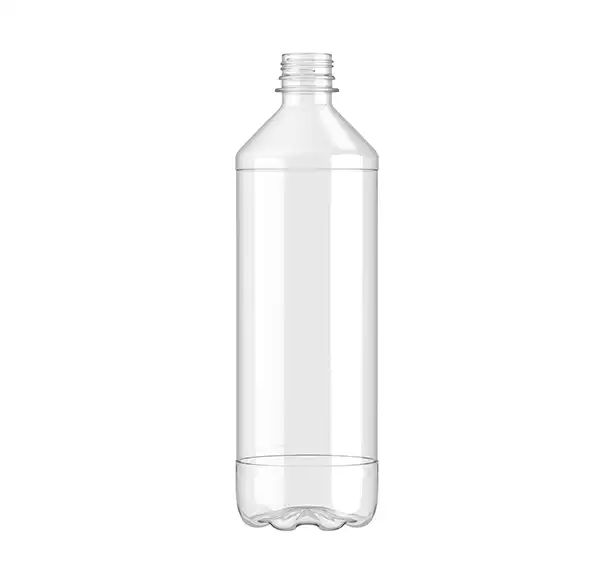
1L PET Bottle by Petainer
Description:
Recyclable PET bottle.
Why it's sustainable:
Petainer’s recyclable PET Plastic Bottles offer a lightweight, shatterproof, and economical solution for your packaging needs. As a trusted manufacturer and wholesaler, we supply bottles in various sizes and neck types, tailored to meet industry demands. Designed for recyclability and product integrity, our PET bottles align with modern sustainability goals while ensuring the highest standards of quality and practicality.
Aluminum Beverage Can by Canpack
Description:
Customizable aluminum cans in a various sizes.
Why it's sustainable:
Made from recyclable aluminum.
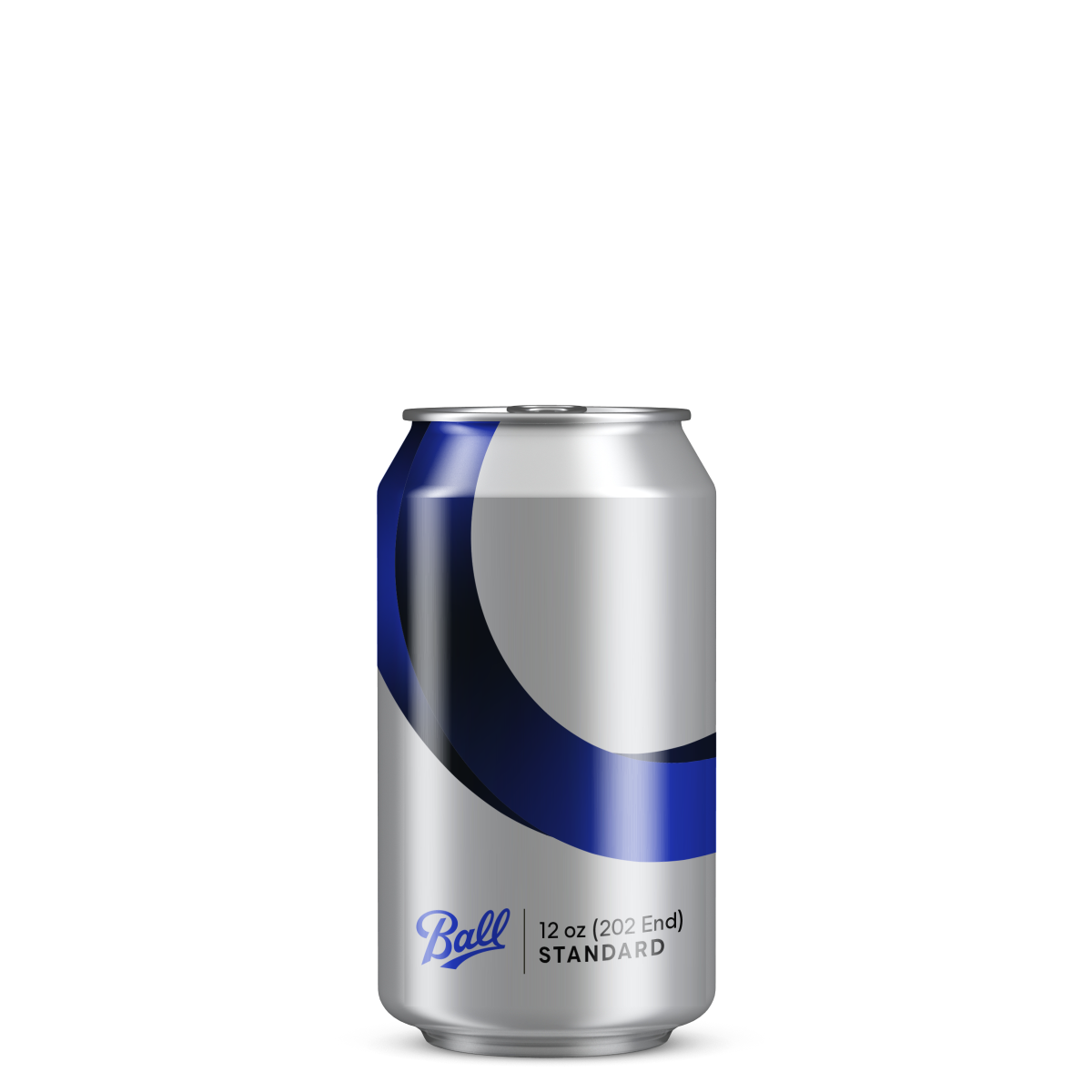
Standard Beverage Can by Ball Corporation
Description:
Aluminum beverage can.
Why it's sustainable:
Infinitely recyclable aluminum. The Standard can is available in four classic sizes ranging from 12 oz. to 19.2 oz. It delivers the popular and familiar hand feel experience for consumers and is fully customizable — we offer the widest selection of enhancements, ends, filling options and special effects in the industry.
Aluminum Beverage Containers by Novelis
Description:
Infinitely recyclable aluminum packaging for beverages.
Why it's sustainable:
Recyclable aluminum.
Aseptic Carton by SIG
by
SIG Group
This brand is a member of Packaged Sustainable and helped create the content of its page.
Aseptic Carton by SIG
Verified Account
This supplier is a member of Packaged Sustainable and helped create the content of this page.
Description:
Paperboard aseptic carton for beverages.
Why it's sustainable:
SIG beverage cartons are composed of a high share of forest-based renewable materials, offer extended shelf life, are lightweight and space-saving, designed to be fully recyclable, and produced with 100% renewable electricity. They are the proven lowest carbon footprint choice compared with alternative packaging options.
Paperboard Carton by Tetra Pak
Description:
Rectangular carton for beverages.
Why it's sustainable:
Recyclable paperboard carton.
Gable-Top Carton by Carton Service
by
Carton Service CSI, LLC
This brand is a member of Packaged Sustainable and helped create the content of its page.
Gable-Top Carton by Carton Service
Verified Account
This supplier is a member of Packaged Sustainable and helped create the content of this page.
Description:
Paper based carton for a variety of applications.
Why it's sustainable:
A gable top container is more environmentally friendly than plastic packaging alternatives because it is made from materials that are renewable and recyclable. The gable top carton is easy to ship, shelve, and store thanks to its practical shape and can be printed on directly, so you can cover your packaging with interesting, precise, eye-popping graphics that will set your product apart from the competition.
Pure-Pak® Classic Carton by Elopak
Description:
Recyclable carton for beverages and liquids.
Why it's sustainable:
Recyclable paperboard based carton. The cartons are made primarily from wood fibers, which are a naturally renewable resource Pure-Pak® Classic - Elopak. The cartons also contain renewable and bio-circular polymers Pure-Pak® Classic - Elopak, specifically a thin polyethylene (PE) coating.
Aluminum Screw Top Bottle by MJS Packaging
Description:
Aluminum bottle for beverages or other consumer goods.
Why it's sustainable:
Made from infinitely recyclable aluminum.
16oz Round Panel Bottle by Graham Packaging
Description:
Bottle for beverages, juices, water and more.
Why it's sustainable:
Made from recyclable PET.
Frugal Bottle by FrugalPac
Description:
Paper bottle for wine and spirits.
Why it's sustainable:
Made from 94% recycled paperboard with a food grade pouch.
Green Gen Cardboard Bottle® by Green Gen Technologies
Description:
Recyclable paperboard 750ml wine bottle.
Why it's sustainable:
Use of renewable materials: kraft paper from the Green Gen Cardboard Bottle® is made from plant fibres, a renewable and sustainable resource. Our bottles are made in France, at our factory in Bergerac. Recyclability: this bottle can be turned into new products, reducing the amount of waste ending up in landfill sites.
Reusable PET Bottles by Alpla Packaging
Description:
Reusable and recyclable bottles for beverages and more.
Why it's sustainable:
We know how important it is for our clients to make the transition from single-use options to returnable plastic (deposit) bottle alternatives. That’s why we’ve created reusable PET bottle variants, available in an array of designs and sizes, as well as customer-specific solutions. These plastic PET bottles are designed to excel in various aspects:
100% PCR Round Bottle by United States Plastic Corp
Description:
PCR bottle for liquids and beverages.
Why it's sustainable:
These bottles look great for cosmetics and toiletries and are often used with finger sprayers and dispensing caps. The bottles are made with 100% post-consumer recycled PET, sourced from recyclable material that is significantly contaminant-free. This recycled material helps reduce environmental waste while maintaining the highest quality standards.
Paper-Based Carton by Pactiv Evergreen
by
Description:
Paper-based packaging for your fresh liquid beverages.
Why it's sustainable:
Made with about 70% paper — plant fiber from trees grown in forests where responsible forestry practices are used.
Ooho Edible Packaging from Notpla
Description:
Edible bubble for liquids made from seaweed.
Why it's sustainable:
A sustainable alternative to single-use plastic packaging, this disappearing packaging has a unique design allows liquid to be encapsulated in a thin, flexible layer that is 100% naturally biodegradable and entirely edible.
Compostable Seaweed Packaging by Kelpi
Description:
Compostable seaweed bioplastic.
Why it's sustainable:
Kelpi is replacing plastic packaging with bioplastics derived from seaweed. The kelp-based bioplastic is versatile, used in applications like poly bags for food, fashion, hot food trays, and thin-film solutions. The seaweed-based packaging is biodegradable and decomposes harmlessly when it reaches landfills or water bodies.
Glass Spirits Bottle by Fusion Glassworks
Description:
Recyclable glass bottles for spirits and beverages.
Why it's sustainable:
Recyclable glass packaging.
Eco-Friendly Spout Pouch by Close the Loop
Description:
Spout stand up pouches for a wide variety of industries.
Why it's sustainable:
Eco-Friendly Spout Pouches are a type of sustainable packaging made from environmentally friendly materials that are either biodegradable or recyclable.
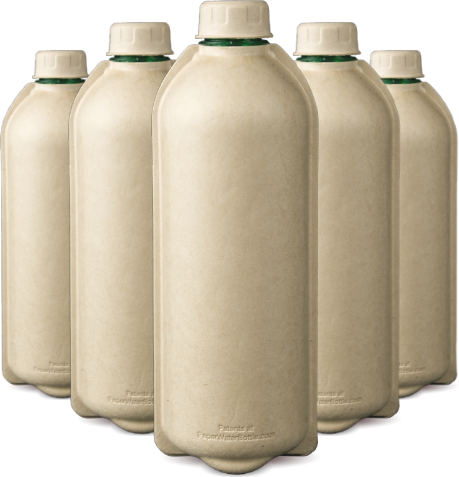
Water Bottle by Paper Water Bottle
Description:
Biodegradable water bottle.
Why it's sustainable:
Specially blended combination of bamboo and sugar cane provides rigid outer shell. ASTM D5511: 59.3%/365 days.
PLA Bottle by GS Companies
Description:
PLA bottles for water, milk, juice and more.
Why it's sustainable:
Compostable PLA bioresin.
Glass Bottle by Ardagh Group
Description:
Glass bottles for beer, wine, spirits, and other beverages.
Why it's sustainable:
Recyclable glass.
Glass Liquor Bottle by O-I Glass
Description:
Custom glass bottles for spirits, liquor, alcohol and other beverages.
Why it's sustainable:
Infinitely recyclable glass bottle.
PCR Bottle by SKS Packaging
Description:
Bottle for water and other applications.
Why it's sustainable:
Made from PCR.

Recyclable Plastic Bottles and Increasing Recycled Content

PET plastic dominates beverage bottles due to lightweight construction, clarity, and recycling compatibility, with sustainable improvements focusing on recycled content increases and lightweighting reducing material use.

PET (polyethylene terephthalate) bottles provide the most common beverage packaging for water, soft drinks, juices, sports drinks, and ready-to-drink beverages offering transparency enabling product visibility, strong impact resistance surviving distribution and handling, lightweight construction (12-35g typical versus 150-400g glass or 15-20g aluminum cans), and compatibility with 95%+ curbside recycling programs. PET bottles suit carbonated beverages (CO2 barrier adequate for soft drinks, sparkling water with proper wall thickness), non-carbonated drinks (juices, teas, sports drinks), and ambient or refrigerated distribution. However, U.S. PET bottle recycling rate averages only 29% despite widespread curbside acceptance (85%+ in deposit return states like California, Oregon, Michigan), meaning consumer participation and collection infrastructure significantly affect actual recovery versus technical recyclability.

Recycled PET (rPET) content represents the primary sustainability improvement for plastic bottles where beverage brands increasingly use 25-100% post-consumer recycled content. Major brands achieving high rPET percentages include Evian (100% rPET), Dasani (100% rPET in select markets), JUST Water (82% plant-based + recycled content), and widespread adoption of 25-50% rPET across mainstream brands. Using rPET reduces greenhouse gas emissions 30-70% versus virgin PET production, supports circular economy by creating demand for recycled material, and increasingly achieves quality matching virgin PET through advanced recycling technologies. However, rPET costs 10-30% more than virgin PET depending on market conditions (virgin plastic prices tied to oil affect rPET economics), food-grade rPET requires additional processing increasing costs versus non-food-grade recycled content, and supply availability fluctuates with recycling collection rates. California AB 793 requires beverage bottles to contain 50% rPET by 2030 driving adoption.

Lightweighting strategies reduce material per bottle by 15-40% through thinner plastic bottle walls, optimized bottle shapes (ribs, grooves providing strength with less material), reduced closure weight, and advanced blow molding technologies. Benefits include less raw material consumption per unit, reduced transportation emissions (lighter shipping weight), and lower packaging costs offsetting some rPET premiums. However, extreme lightweighting can compromise bottle rigidity (bottles collapse or dent easily), reduce consumer perception of quality (thin bottles feel cheap), or limit carbonation retention for pressurized beverages. Lightweighting works best combined with rPET content and design-for-recycling principles creating comprehensive sustainability improvements.

Design-for-recycling improvements maximize recovery and material value including clear or natural PET over colored bottles (clear PET enables bottle-to-bottle recycling, colored PET downcycles to fibers), mono-material closures matching bottle resin (HDPE caps on PET bottles, PP caps on PP bottles), PET-compatible labels with wash-off adhesives (not PVC or PETG interfering with recycling), and minimal label coverage under 60% bottle surface. Sprite's famous transition from green to clear bottles in 2022 specifically targeted recyclability maximization. These design choices affect whether bottles successfully sort at MRFs and achieve food-grade recycling versus downcycling to lower-value applications.

Aluminum Cans, Glass Bottles, and Paper Cartons

Alternative materials to plastic bottles provide different sustainability profiles with aluminum achieving highest recycling rates, glass offering infinite recyclability, and cartons reducing plastic content while introducing material separation challenges.

Aluminum beverage cans dominate carbonated beverages (soft drinks, beer, energy drinks, sparkling water, hard seltzers, canned wine) providing superior barrier protection against light and oxygen preserving flavor and preventing degradation, lightweight structure (15-20g typical) enabling efficient transportation, and industry-leading recycling performance where 75% of all aluminum ever produced remains in use through repeated recycling, 52% U.S. recycling rate (70-85%+ in deposit states significantly higher than PET), and 60-day can-to-shelf closed loop in strong recycling markets. Aluminum cans suit carbonated beverages requiring excellent CO2 retention and oxygen barriers, products sensitive to light exposure (beer avoiding skunking, certain juices), and brands prioritizing recyclability performance over just technical recyclability.

However, aluminum costs 2-4x more than PET bottles affecting retail pricing and margins, weighs more than PET per unit volume (though less than glass), and requires internal coatings (epoxy, BPA-NI linings) preventing interaction between acidic beverages and metal adding complexity. Aluminum recycled content typically ranges 70-90% (recycled aluminum costs 95% less energy to produce than virgin aluminum driving high recycled content economics). Aluminum works best for premium positioned beverages, carbonated drinks, or brands able to justify higher packaging costs through superior recycling performance and circular economy messaging.

Glass bottles suit beer, wine, spirits, premium juices, craft beverages, and specialty drinks providing infinite recyclability without quality loss (glass recycles repeatedly maintaining food-grade quality unlike plastics that downcycle), complete barrier protection against oxygen and light (superior to plastics for long shelf life products), inert material not interacting with beverage ingredients (no flavor migration or leaching concerns), and premium aesthetic supporting luxury positioning. Glass achieves 70-80% recycling in strong markets with 50-90% post-consumer recycled content (cullet) commonly available. Glass particularly suits products where maximum barrier performance is critical (wine, beer requiring long shelf life and oxygen sensitivity) or premium positioning justifies packaging investment.

However, glass weighs 5-15x more than equivalent PET or aluminum containers (150-400g versus 12-35g PET) dramatically increasing shipping emissions and freight costs, breaks during distribution or consumer use creating safety hazards and operational losses, and costs 2-5x more than plastic bottles affecting economics. Glass recycling rates vary widely by region and color (clear glass achieves highest recovery, colored glass lower) requiring regional assessment. Glass works best for premium beverages, refillable deposit-return systems amortizing weight across multiple uses, or local/regional distribution minimizing transportation distances.

Paper-based beverage cartons (Tetra Pak, SIG, Elopak formats) suit milk, plant-based beverages, juices, shelf-stable drinks, and aseptic products combining paperboard structural layers (70-75% of package), plastic linings and caps (20-25% polyethylene), and aluminum foil barriers (5-6% for shelf-stable products, absent in refrigerated-only cartons). Cartons reduce plastic content 70-75% versus plastic bottles, use renewable fiber from sustainably managed forests (FSC or SFI certified), and enable aseptic packaging technologies allowing shelf-stable beverages without refrigeration. However, cartons require specialized recycling facilities separating paper fibers from plastic and aluminum through hydrapulping (only 60% U.S. population has access versus 95%+ for PET bottles), achieve 25-40% actual recycling rates where infrastructure exists, and fiber recovery is primary benefit with plastic/aluminum components often not recovered. Cartons work best for milk and plant-based beverages (established consumer acceptance), shelf-stable juice products (aseptic advantage), or brands prioritizing plastic reduction despite recycling infrastructure limitations.

Refillable Systems and Sustainable Design Strategies

Refillable beverage packaging and design optimization strategies reduce single-use waste and material consumption through reuse systems, lightweighting, and mono-material structures improving recyclability.

Refillable and reusable beverage packaging uses durable glass or plastic containers designed for multiple use cycles with deposit-return systems, refill stations, or direct collection programs. Glass refillable bottles (beer, soft drinks, milk in some markets) can be reused 15-25+ times before recycling, plastic refillable bottles (water, soft drinks in some regions) reuse 10-20+ cycles, and growler/bulk refill systems enable consumers to refill containers at retail or tap locations. Deposit-return systems incentivize bottle returns achieving 80-95% collection rates in strong programs (Germany, Nordic countries, select U.S. states) versus 29-52% for single-use recycling. Refillable systems reduce packaging waste 85-95% per use cycle after amortizing initial container production, lower long-term packaging costs versus single-use alternatives, and deliver significant environmental benefits when reuse cycles exceed 5-10 uses.

However, refillable systems require reverse logistics infrastructure collecting and redistributing bottles (cleaning facilities, transportation networks, tracking systems), cleaning and sanitation between uses meeting food safety requirements, heavier initial containers withstanding multiple uses (thicker glass, reinforced plastic), and consumer participation returning bottles rather than discarding. Refillable glass particularly suited to regional/local beverage distribution (craft breweries, local dairies, regional soft drink bottlers) minimizing transportation distances and established return patterns. Refillable plastic works for water cooler jugs, some soft drinks in markets with infrastructure, or subscription delivery models. Refillable systems achieve environmental break-even after 3-7 reuse cycles depending on container material and transportation distances.

Lightweighting and material reduction strategies apply across PET, aluminum, and glass packaging reducing environmental footprint through less material per unit. Advanced bottle design uses computer modeling optimizing strength-to-weight ratios, selective material placement (reinforced areas, thinner elsewhere), and manufacturing precision enabling thinner walls. Aluminum cans reduced from 85g in 1970s to 15g today through continuous lightweighting. PET bottles achieved 20-35% weight reductions versus 1990s designs. However, lightweighting faces diminishing returns where additional reductions compromise functionality, consumer perception, or safety. Balance requires maintaining adequate performance while minimizing material use.

Mono-material packaging structures simplify recycling by avoiding mixed materials that prevent recovery. Strategies include eliminating multi-material components (using same-resin closures as bottles), avoiding incompatible labels or adhesives, designing for material sortation (clear bottles, recyclable inks), and creating packaging that processes cleanly through existing recycling infrastructure. Association of Plastic Recyclers (APR) Design Guide provides specifications for recyclable packaging. Mono-material designs improve actual recovery rates by reducing contamination and enabling higher-value recycling (bottle-to-bottle versus downcycling).

Need help finding the right supplier?

We'll connect you with packaging suppliers based on your product type, volume, and timeline. Free, no obligation. We were here to help!

Get Connected to a supplier

Disclaimer: Information provided for educational purposes only. Packaged Sustainable is a marketplace connecting brands with suppliers - we do not manufacture products or guarantee supplier claims. Always conduct your own due diligence and verify certifications, capabilities, and regulatory compliance independently. PS is not responsible for supplier performance or outcomes.