

Featured Solutions and Suppliers
Interested in a solution? Click "View Supplier" to learn more about the supplier and the solution or click "Contact" to inquire immediately.









Sustainable Supplement Packaging Formats and the Materials Behind Them
Supplement packaging varies more by product type than most CPG categories, and the right format and material decision depends first on what you are packaging before any sustainability conversation begins.
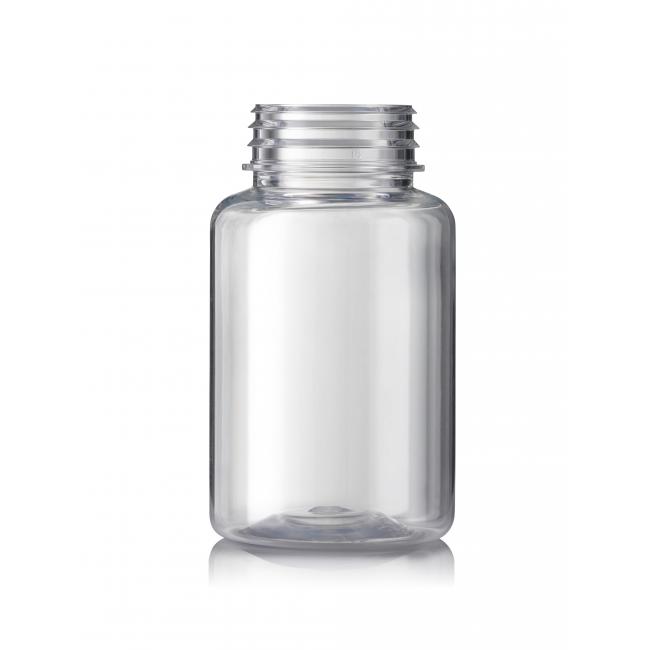
Rigid bottles are the dominant format for capsules, tablets, and gummies. PET and HDPE are the conventional materials, both of which are technically recyclable in curbside programs but rarely recycled in practice because supplement bottles are frequently opaque, contain residual desiccants, and have child-resistant closures with mixed material components that complicate end-of-life processing. The sustainable transition here focuses on two levers: post-consumer recycled content and label compatibility. rHDPE bottles with 90 percent PCR content are now commercially available from multiple suppliers at close to cost parity with virgin equivalents and are certified under the Global Recycled Standard (GRS) or ISCC. rPET bottles at 75 percent or higher PCR content follow the same logic for transparent container applications. Specifying PCR content explicitly in supplier conversations is essential since it does not come as a default. Labels using compatible adhesives that do not contaminate the recycling stream, and closures designed for easy consumer separation from the bottle, are the secondary factors that determine whether a recyclable bottle claim is defensible in practice.
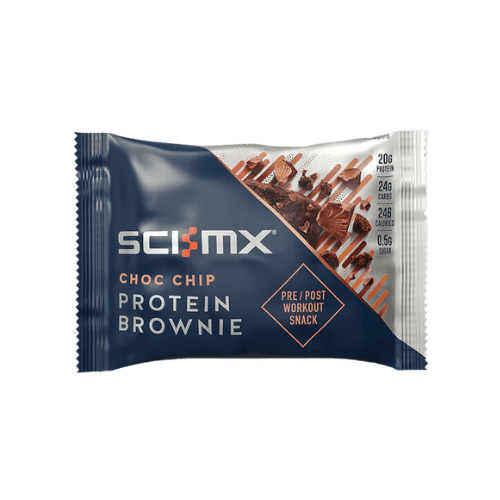
Flexible pouches for protein powders, pre-workout formulas, and supplement blends offer meaningful material reduction compared to rigid tubs at the same volume. Stand-up pouches with resealable zippers are the standard format for powders in the 250 gram to one kilogram range. Conventional versions use multilayer PET and PE laminates that cannot be recycled. Mono-material all-PE pouches with post-consumer recycled content are the most practical recyclable transition, compatible with store drop-off flexible film programs. Compostable PLA and PBAT pouches certified to ASTM D6400 are available for brands making industrial compostable claims, and PHA-based pouches carry TÜV OK Compost Home certification for brands requiring genuine home compostable credentials. Full detail on compostable pouch materials is on the Compostable Pouches page.
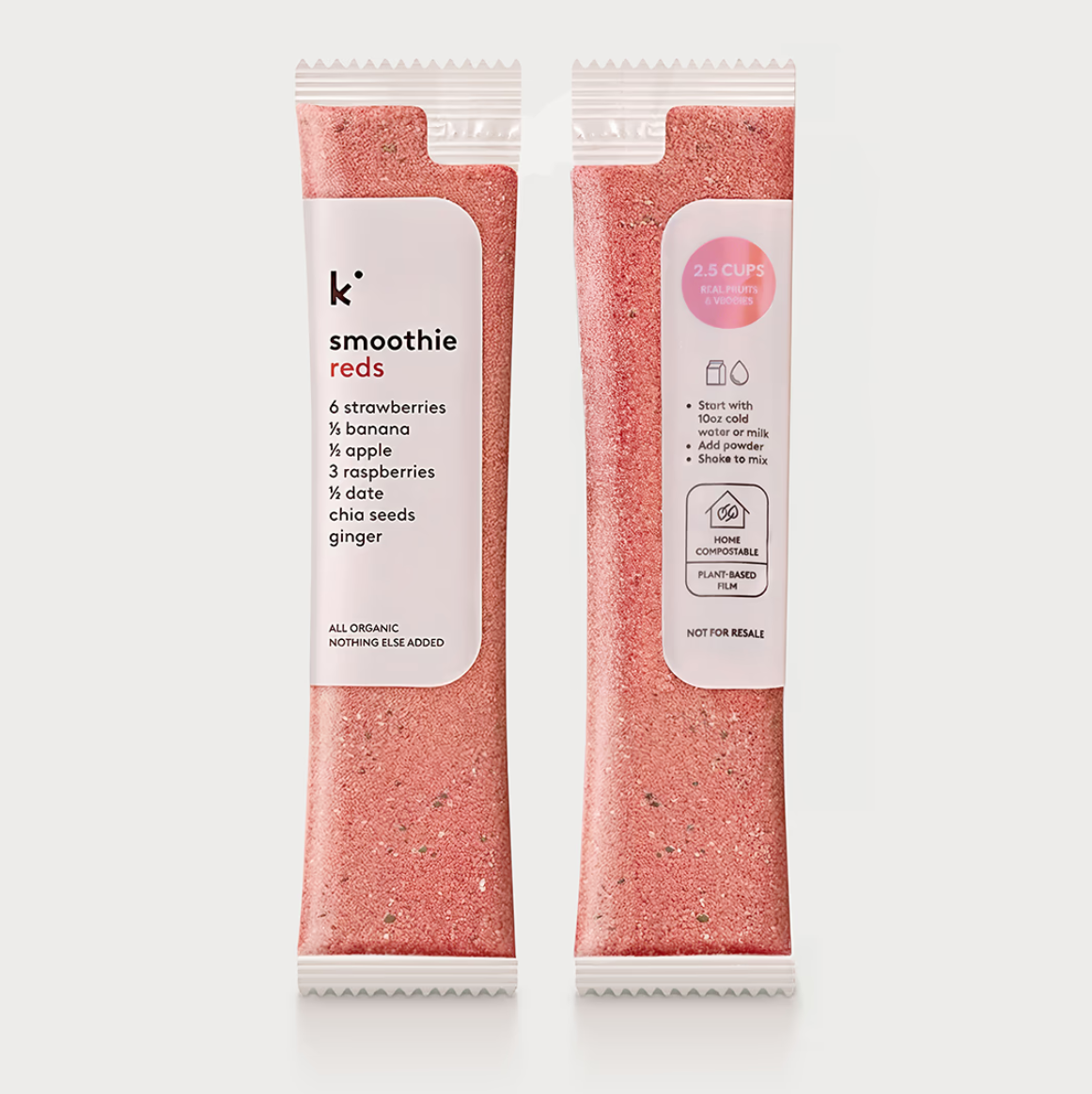
Stick packs and sachets for single-serve powders, electrolytes, and drink mixes are high-frequency disposable formats where sustainable material transitions have meaningful aggregate impact. PLA-based stick packs certified for industrial composting are available and widely used in the natural and premium supplement channel. PHA stick packs carry home compostable certification and are appropriate for brands making stronger end-of-life claims. Paper and PBAT sachets with bio-based barrier coatings reduce plastic content significantly for dry supplement applications. Full context on sachet sustainability trade-offs is on the Sustainable Sachet Packaging page.
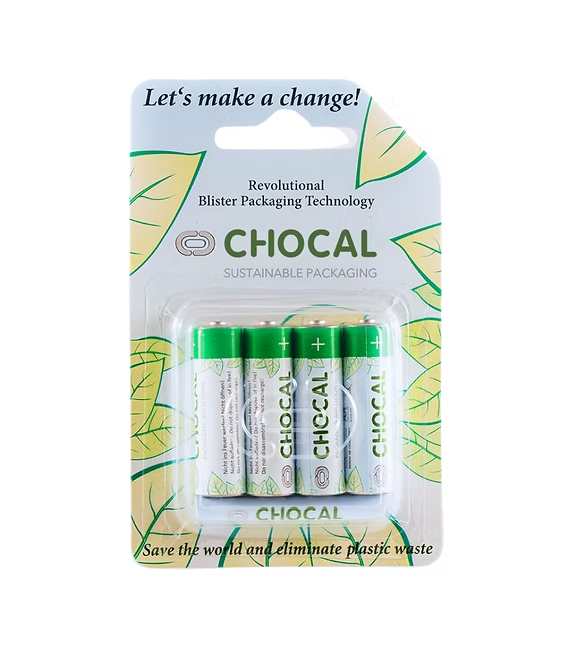
Blister packaging for capsules and tablets uses rigid thermoformed cavities (typically PVC, PVDC, or PET) sealed with aluminum foil or paper-aluminum lidding. PVC is the weakest sustainability choice with limited recyclability and persistent environmental concerns. rPET blister cavities with paper-based lidding are the more sustainable direction, and child-resistant blister cards using FSC-certified paperboard are available for brands transitioning away from conventional plastic bottles toward more pharmaceutical-adjacent formats.
Glass jars and aluminum tins for gummies and premium formats offer strong end-of-life stories (both are highly recyclable or infinitely so) and are increasingly paired with compostable flexible refill pouches in DTC supplement programs where consumers keep the primary container and refill it through subscription. This model has the strongest sustainability math per use cycle and appeals to premium brand positioning, though it requires return logistics planning or consumer education around the refill mechanism.
FSC-certified paperboard cartons for capsule and tablet counts are growing in the supplement category as brands look to reduce plastic bottle use. These work best for products with moderate moisture sensitivity since paperboard barrier performance is lower than plastic, and appropriate barrier coatings or inner liners are required for moisture-sensitive formulations.
Sustainable Supplement Packaging Trade-Offs Worth Understanding
Moisture and oxygen control are the functional constraints that limit sustainable material options in supplement packaging more than in most consumer product categories. A 24-month shelf life for capsules or powders requires packaging that maintains low oxygen and moisture vapor transmission rates across the full storage period, and the barrier performance of some sustainable alternatives including thin paperboard formats and certain compostable films requires careful shelf life validation before commercial commitment.
Child-resistant closure requirements add material complexity that most sustainability conversations underweight. CR caps typically combine multiple plastic components and sometimes metal springs that are not recyclable as part of the bottle assembly. Adult-use CR systems designed for easier consumer separation, and CR carton formats using paperboard mechanisms, are available and represent a more recyclable end-of-life pathway than conventional plastic CR caps.
Recycled content in supplement packaging requires food-grade or pharmaceutical-grade PCR material, which is a higher specification than general industrial recycled content and commands a modest premium. Not all PCR plastic is appropriate for direct product contact applications, and documentation confirming the grade of recycled content and its compliance with FDA food contact requirements is an essential verification step rather than an assumed standard.
EPR programs in Colorado, Maine, Oregon, and other states are beginning to assign per-ton fees to non-recyclable packaging. Supplement brands with high packaging volumes in these markets have a financial incentive to specify recyclable materials beyond brand sustainability commitments, and this regulatory cost factor is becoming a practical procurement input alongside unit cost.
How Supplement Brands Choose Sustainable Packaging
Supplement packaging supplier selection requires balancing regulatory compliance, barrier performance, and sustainability credentials in a category where the first two have historically dominated and the third is now becoming a business requirement in many channels.
Using the 5 P's as a frame: Price for sustainable supplement packaging ranges from minimal premium (rHDPE bottles at near cost parity with virgin) to meaningful premium (PHA pouches at 40 percent or more above conventional films). The most accessible starting points are rHDPE or rPET bottles with high PCR content and FSC-certified paperboard cartons for capsule formats, both of which deliver strong sustainability credentials at manageable cost increases. Performance means moisture and oxygen barrier validation at your specific formulation and 24-month target, child-resistant closure compliance for any applicable SKU, tamper evidence compatibility, and desiccant functionality compatibility with any new container format. Preference reflects your channel and brand positioning: natural and premium channels have consumer expectations and retail buyer requirements for sustainability credentials that mass market programs do not yet require at the same level, and DTC programs have more flexibility for refill system formats than retail programs where shelf presence and planogram fit constrain options. Proof covers GRS or ISCC certification for any PCR content claims, FSC chain-of-custody certification for any fiber-based formats, BPI or TÜV OK Compost Home certification for any compostable formats covering the complete assembled packaging rather than just the film or base material, and FDA food contact compliance documentation for any recycled plastic in direct product contact. Partner quality means a supplier with supplement-specific regulatory experience since pharmaceutical and nutraceutical packaging has specific documentation requirements including Certificates of Compliance and batch traceability that general consumer packaging suppliers may not routinely provide.
Ask suppliers for PCR content certification documentation (GRS or ISCC) rather than accepting general recycled content claims. Ask whether child-resistant closure components have been designed for consumer separation to support recyclability of the bottle. Ask for FDA food contact compliance documentation for any recycled plastic in direct product contact.
Can paperboard replace plastic bottles for supplement packaging?
