

Featured Solutions and Suppliers
Interested in a solution? Click "View Supplier" to learn more about the supplier.







What is Recyclable Flexible Packaging
Before we dive into how to choose the right recyclable flexible packaging supplier, let's get clear on what actually works versus what's marketed.
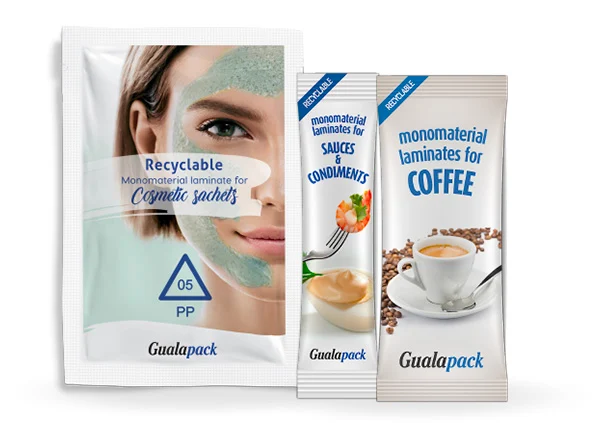
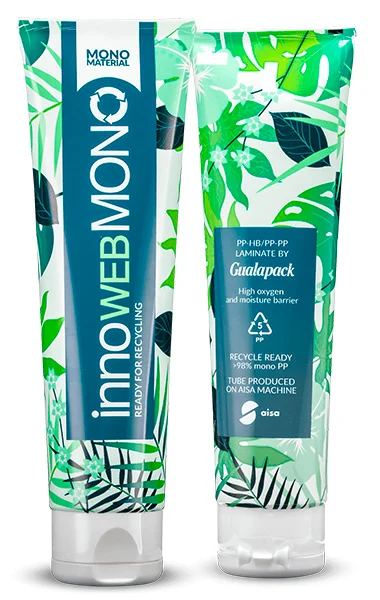
Recyclable flexible packaging includes pouches, bags, films, and sachets made from materials that can enter existing recycling systems. The challenge is that most flexible packaging uses multi-layer laminates (combining PET, PE, PP, aluminum, or nylon) that deliver excellent barrier performance but mix incompatible materials impossible to separate at recycling facilities.
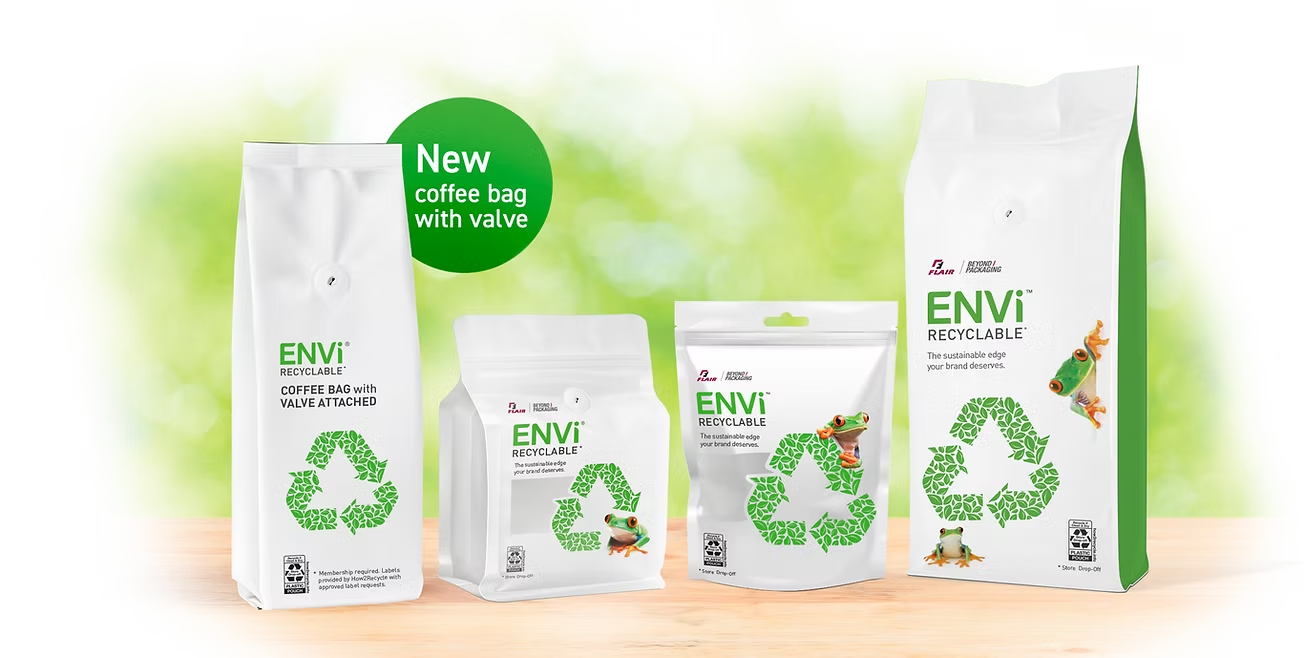
Mono-material PE films and pouches use single-polymer polyethylene structures that can be recycled through store drop-off programs for plastic films and bags. These programs exist at major retailers (grocery stores, pharmacies) covering roughly 80% of U.S. population. However, consumer participation runs under 20% because films require separate collection, transportation to stores, and cannot go in curbside bins (they jam sorting equipment at recycling facilities).
Paper-based flexible packaging with advanced barrier coatings represents emerging innovation. Water-based, mineral-enhanced, or nano-engineered coatings on paper substrates deliver moisture, oxygen, and grease resistance while remaining compatible with curbside paper recycling. These enter standard fiber streams alongside cardboard and mixed paper, eliminating the store drop-off barrier and achieving significantly higher participation.
Multi-layer laminates (traditional structures) combine excellent performance with zero recyclability. Different polymers bonded together or plastic combined with aluminum foil cannot be separated at scale. These achieve less than 1% recovery and represent the greenwashing trap when marketed as "recyclable" without specifying that no infrastructure exists to process them.
The honest reality: genuine recyclability requires matching materials to actual recycling infrastructure (store drop-off for mono-PE, curbside for qualified paper), not just printing recycling symbols on packaging.
Why Flexible Packaging Is Difficult to Recycle
Flexible packaging faces both material complexity and infrastructure limitations that reduce actual recovery rates despite recyclable material availability.
Multilayer material structures combine incompatible polymers bonded together. Traditional flexible packaging mixes PET, PE, PP, aluminum foil, metallized films, and adhesive layers where each material provides specific functions (structural strength, sealability, oxygen barrier, moisture protection). Once laminated, materials can't be separated during recycling, causing most traditional flexible packaging to reach landfill or waste-to-energy systems achieving less than 1% recovery.
Sorting challenges in recycling facilities create operational problems. Flexible plastic films wrap around sorting equipment, jam mechanical systems, and interfere with automated sorting technologies at Material Recovery Facilities (MRFs). These issues cause many facilities to exclude flexible packaging from curbside collection programs, requiring store drop-off as the only viable pathway regardless of material recyclability.
Contamination from food residues reduces recycling quality and efficiency. Flexible packaging for food products leaves oils, food particles, and moisture that interfere with recycling processes and reduce recovered material quality. While proper cleaning mitigates this, consumer participation in rinsing flexible films remains inconsistent, creating contamination in recycling streams.
Consumer confusion about flexible packaging recyclability reduces participation and increases contamination. Packaging labels can be unclear, recycling rules vary between municipalities, and many consumers don't know which items qualify for store drop-off versus curbside. This confusion depresses recovery rates even when infrastructure exists and materials are technically recyclable.
How to Choose Recyclable Flexible Packaging Suppliers
Here's what you really need to know: mono-material PE flexible packaging works through store drop-off (low participation but established infrastructure), paper-based flexibles with barrier coatings enable curbside recycling (higher participation, emerging technology), and multi-layer laminates fail regardless of marketing claims. Choose based on your barrier requirements, accept infrastructure limitations honestly, and use third-party qualification like How2Recycle to verify claims.
When evaluating suppliers, think about the 5 P's:
Price: Can you justify premiums for mono-PE or paper-based innovations versus traditional multi-layer laminates?
Performance: Will mono-material or paper-based barriers deliver the shelf life your products require (oxygen, moisture, grease resistance)?
Preference: Does store drop-off recyclable (PE) or curbside recyclable (paper) better align with your brand values and infrastructure reality?
Proof: Can they provide How2Recycle certification or equivalent third-party verification, not just generic "recyclable" claims?
Partner: Will they help design consumer instructions and avoid greenwashing with accurate pathway disclosure?
Here's the 80/20 of what matters most.
Understand Store Drop-Off for Mono-PE Films (Established Infrastructure, Low Participation)
Mono-material polyethylene flexible packaging (bags, pouches, films made entirely from PE without mixed polymers) can be recycled through store drop-off programs for plastic films. These programs exist at major retail chains with bins typically located near store entrances, covering roughly 80% of U.S. population geographically.
Why store drop-off only? Flexible films jam sorting equipment at Materials Recovery Facilities designed for rigid containers. MRFs universally reject flexible plastics from curbside collection to protect machinery and maintain processing speeds. This is infrastructure limitation, not material deficiency.
Participation reality: under 20% of consumers actually return films to drop-off locations despite access because it requires saving packaging separately, remembering to bring it when shopping, and locating bins. This creates massive gap between technical recyclability (material can be recycled) and actual recycling (very few reach facilities).
How2Recycle "Store Drop-Off" labels provide third-party qualification that specific mono-PE structures meet program requirements. This standardized labeling helps consumers understand disposal pathway while protecting brands from greenwashing accusations when infrastructure is documented.
Post-consumer recycled content options exist. Many mono-PE flexible packaging suppliers offer 25% to 50%+ PCR content, demonstrating circular input even when output recycling faces participation challenges. This strengthens sustainability positioning while acknowledging recovery rate limitations.
Ask packaging manufacturers: "Is your flexible packaging mono-material PE qualified for How2Recycle Store Drop-Off certification, and what PCR content options do you offer?"
Evaluate Paper-Based Flexible Innovations (Curbside Potential, Barrier Trade-Offs)
Paper-based flexible packaging with advanced barrier coatings represents the emerging path to curbside recyclability. Water-based coatings, mineral-enhanced layers, or nano-engineered barrier technologies on paper substrates deliver moisture, oxygen, and grease resistance while remaining compatible with standard paper recycling streams.
Why this matters: curbside paper recycling achieves 60% to 70% participation versus under 20% for store drop-off programs. Paper flexibles that truly work in curbside bins dramatically expand accessibility and actual recovery compared to films requiring special collection.
Barrier performance determines viability. Advanced coatings enable paper flexibles to protect dry snacks, powders, and some moisture-sensitive products. However, extreme barrier requirements (retort sterilization, ultra-oxygen sensitivity, extended shelf life for greasy products) may still require traditional laminates or mono-PE solutions. Validate with your specific products before committing.
How2Recycle "Widely Recyclable" or "Check Locally" labels indicate paper-based flexibles pre-qualified for curbside paper streams in certain regions. Not all paper coatings qualify because some polymer laminates block repulping. Third-party certification confirms actual recyclability versus aspirational claims.
Innovation timeline: paper-based flexible packaging is emerging technology scaling commercially now. Expect continued performance improvements as coating technologies advance and production volumes increase, compressing cost premiums and expanding application range.
Ask companies: "Are your paper-based flexible packaging solutions qualified for curbside paper recycling, and what barrier performance can you document for our product requirements?"
Avoid Multi-Layer Laminates Unless Accepting Landfill (Performance Perfected, Recyclability Zero)
Traditional multi-layer laminates combining PET/PE/PP/aluminum/nylon deliver excellent barrier performance and dominate flexible packaging market but achieve less than 1% recovery because materials cannot be separated at recycling facilities. No amount of "recyclable" labeling changes this infrastructure reality.
Why laminates fail: different polymers bonded together have incompatible melting points, chemical properties, and processing requirements. Separation at scale is physically and economically impossible with current technology. Plastic combined with aluminum foil creates the same separation barrier.
Greenwashing trap: suppliers often print recycling symbols or claim "recyclable" on multi-layer laminates because technically, if materials could be separated, some layers might recycle. But no system exists to do this separation, making the claim misleading at best.
When laminates make sense: extreme barrier applications where mono-material and paper-based alternatives cannot deliver required shelf life (retort sterilization, ultra-long shelf life, extreme oxygen sensitivity). Accept that these go to landfill or energy recovery, don't claim recyclability, and focus sustainability messaging on material reduction versus end-of-life.
The honest calculation: using 30% less material in non-recyclable laminate versus 100% more material in recyclable alternative may deliver better overall environmental outcome depending on use case. Life cycle analysis matters more than recyclability alone.
Ask converters: "If recommending multi-layer laminates, can you be honest that these aren't recyclable through standard systems and help us position sustainability around material efficiency instead?"
Require Third-Party Qualification and Clear Consumer Instructions (How2Recycle Standard)
How2Recycle certification provides standardized, third-party-verified labeling that specifies exactly how packaging should be recycled. "Store Drop-Off," "Widely Recyclable," or "Check Locally" designations tell consumers the actual pathway versus vague recycling symbols that mean nothing.
Why third-party matters: suppliers have incentive to claim recyclability for marketing advantage. Independent verification through recognized standards confirms materials actually match infrastructure. How2Recycle tests packaging, verifies recycling pathways, and audits claims before allowing label use.
Consumer instruction requirements: mono-PE films need "Recycle at store drop-off for plastic films and bags, not curbside" with clear icons and location guidance. Paper-based flexibles require "Recycle with cardboard and paper curbside where programs accept flexible paper packaging." Multi-layer laminates should state "Not recyclable, dispose in trash" honestly.
Regional variation matters for paper flexibles. Some communities accept coated paper in curbside, others don't. "Check Locally" labeling acknowledges this while "Widely Recyclable" requires 60%+ population access documentation. Mono-PE store drop-off is more standardized nationally.
Avoid greenwashing language like "eco-friendly" (undefined), "sustainable packaging" (vague), or "recyclable" without pathway specification. These create confusion, contaminate recycling streams when consumers guess wrong, and damage brand credibility when infrastructure doesn't match claims.
Ask packaging partners: "Can you provide How2Recycle certification or equivalent third-party verification, and what specific consumer disposal instructions do you recommend based on material choice?"
