Sustainable Coffee Packaging: Options and Suppliers

Last updated on:

March 23, 2026

Coffee degrades rapidly from oxygen, moisture, and light exposure, requiring packaging with extremely low oxygen transmission rates and degassing valves for CO₂ release. Traditional multilayer laminates protect coffee for 6 to 12 months but achieve less than 1% recycling recovery. On this page, we'll help you understand your sustainable packaging options (recyclable mono-materials, paper-based formats, compostable alternatives) and what barrier performance you actually need to protect coffee quality while improving environmental outcomes.

Featured Solutions and Suppliers

Interested in a solution? Click "Contact Supplier" and get connected to the supplier. No obligation.

PCR Coffee Bag by BioPouches
Description:
Pouch for coffee and more.
Why it's sustainable:
Our PCR coffee bags are made from recycled materials, such as plastic bottles or cardboard boxes, and can be used to create new packaging products.
Compostable Coffee Pouch by BioPouches
Description:
Stand up pouch for coffee and teas.
Why it's sustainable:
Our compostable bags have been certified by leading organizations BPI, and DIN Certco, which means that they have undergone rigorous testing and meet strict criteria for compostability.
Compostable Stand Up Pouch by MTPak Coffee
Description:
Custom compostable stand up coffee pouch.
Why it's sustainable:
Compostable flexible pouch.
Compostable Coffee Pouches by Futamura
by
Futamura
This brand is a member of Packaged Sustainable and helped create the content of its page.
Compostable Coffee Pouches by Futamura
Verified Account
This supplier is a member of Packaged Sustainable and helped create the content of this page.
Description:
Compostable pouches for coffee, tea and more.
Why it's sustainable:
NatureFlex™ is a family of bio-based and compostable films used for flexible packaging. Most grades are produced with a minimum of 90% renewable raw material. Individual films are TUV certified for home & Industrial compostability and meet the EU standard EN13432 for industrial compostability.
Compostable Sachets by TIPA
by
TIPA
This brand is a member of Packaged Sustainable and helped create the content of its page.
Compostable Sachets by TIPA
Verified Account
This supplier is a member of Packaged Sustainable and helped create the content of this page.
Description:
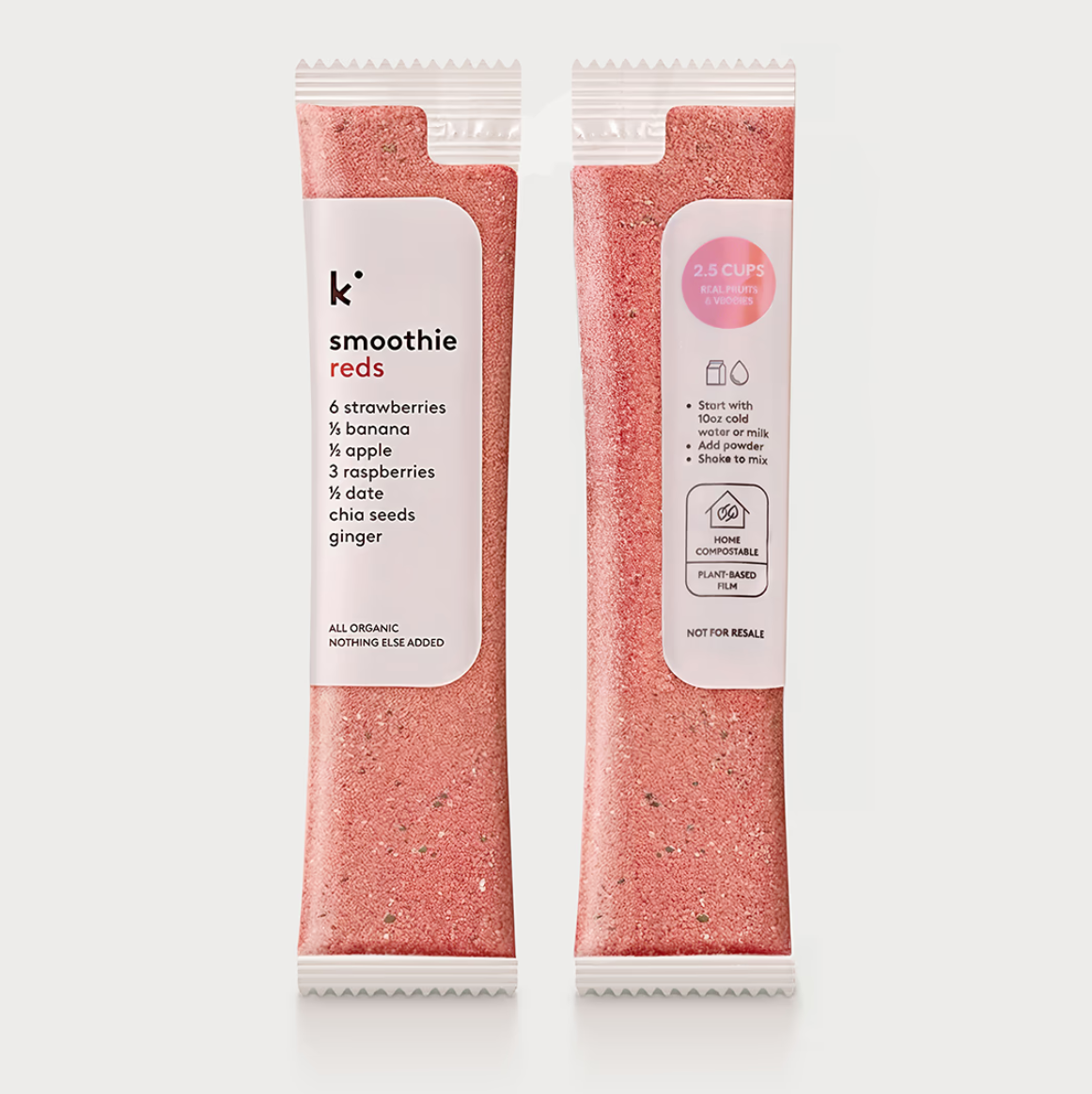
Compostable sachet packaging crafted for both eco-efficiency and user convenience across a variety of applications.
Why it's sustainable:
TIPA’s compostable sachet packaging is designed to make sustainability simple, without compromising performance. It is formed with strong vertical seals and an easy-rip notch for smooth opening. The material is delivered as a continuous laminate reel that runs on standard packaging machinery to create sachets in any size, making it adaptable to a wide range of product types and volumes. When disposed of in a compost environment, the sachet safely breaks down into soil.
Recyclable Coffee Bag by BioPouches
Description:
Pouch for ground or whole bean coffee.
Why it's sustainable:
Our recyclable coffee bags are designed to be easily sorted and processed into new products, reducing waste and conserving natural resources.
Compostable Private Label Espresso Pods by PodPack
Description:
Single use coffee and espresso pods.
Why it's sustainable:
We take pride in introducing our LaPod line of products that are Biodegradable Products Institute (BPI) Certified. The BPI rigorously certifies products as Industrial Compostable when they meet relevant American Society for Testing and Materials (ASTM) standards for compostability.
KEYGEA Compostable Coffee Pods by FLO Group
Description:
Compostable single-serve coffee pod.
Why it's sustainable:
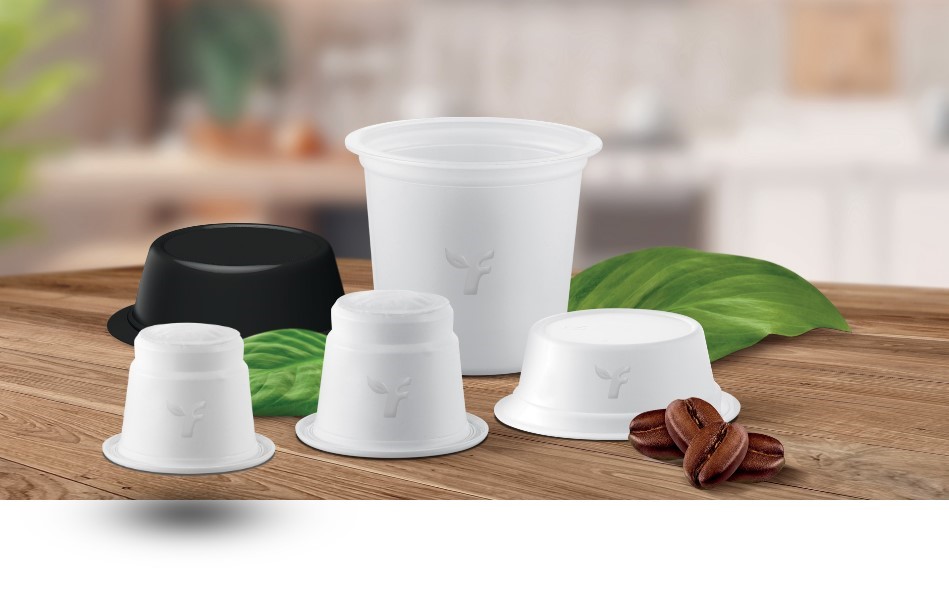
Pods are made with Ingeo™ PLA, a biopolymer derived from renewable resources, and are certified by BPI and DIN CERTCO to ensure both high-performance brewing and environmental sustainability.
reLÜ™ PCR Pouches and Bags by LÜ
Description:
PCR bags and pouches.
Why it's sustainable:
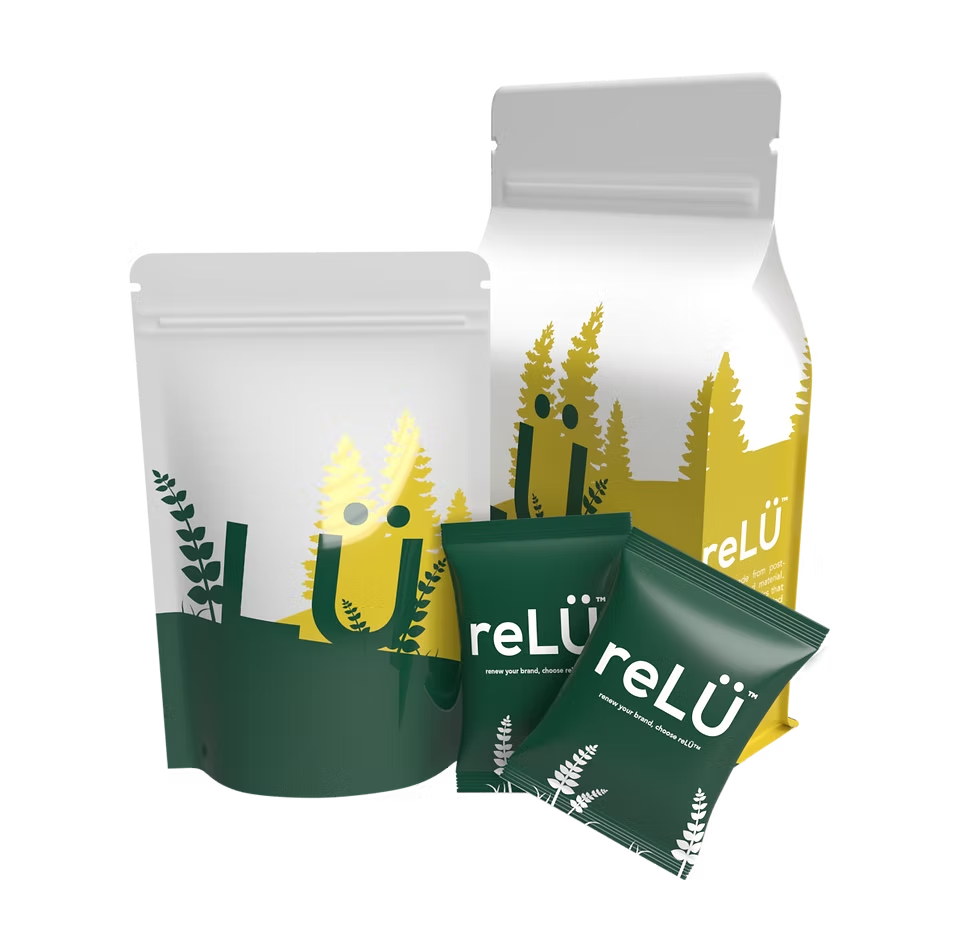
reLÜ™ is made from post-consumer recycled material. This means that plastics that would normally get discarded get a new life as packaging that makes your brand shine!
ENVi Recyclable Pouches by Flair Packaging
Description:
Recyclable mono-material pouches.
Why it's sustainable:
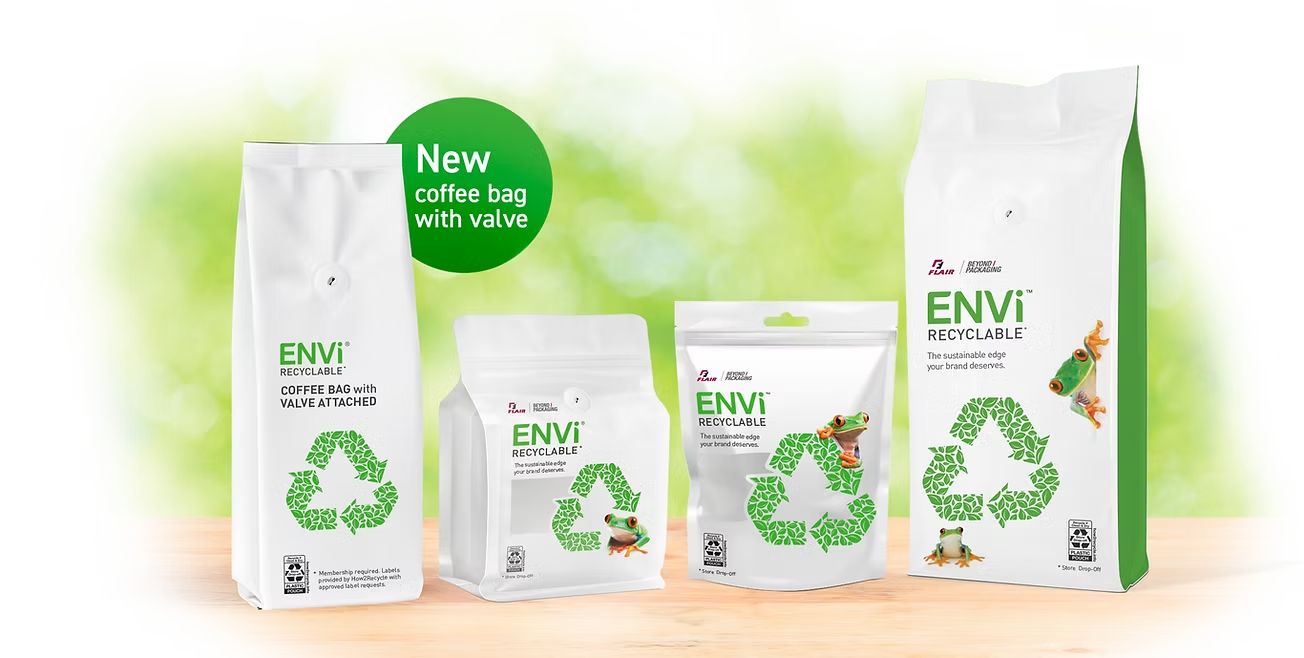
ENVi Recyclable program features PE mono-material solutions optimized for the performance of conventional materials, with the added advantage of recyclability. Available in a variety of premade formats with compatible convenience features, ENVi is pre-qualified for How2Recycle® store drop-off labels to help your brand track, measure and improve the circularity of your packaging portfolio. Our products are FDA, USDA & CFIA compliant and are managed through our FSSC 22000 certified food safety management system.
Compostable Flat Pouch by Yayyy
Description:
Sustainable flat pouch for a variety of products.
Why it's sustainable:
Fully compostable including zippers and valves (optional).
Plantmade™ Compostable Pouches by Swiss Pac
Description:
Plant-based plastic pouches.
Why it's sustainable:
Plantmade™ plastic is a sustainable packaging option made from materials derived from plant-based products.
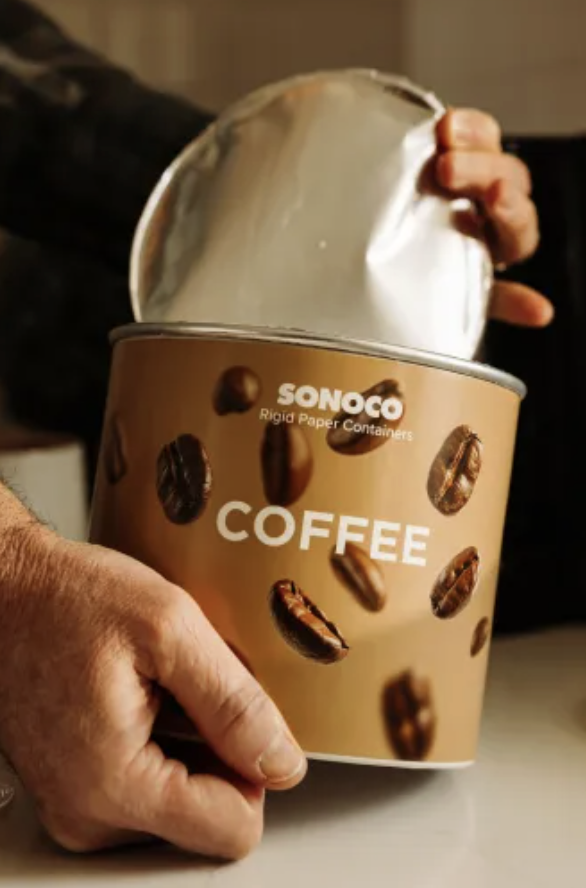
Rigid Paper Container by Sonoco
Description:
Rigid paper container for a variety of products.
Why it's sustainable:
All-paper containers are made with 100% recycled paperboard, with up to 90% coming from post-consumer resources, reducing our dependency on virgin fiber.
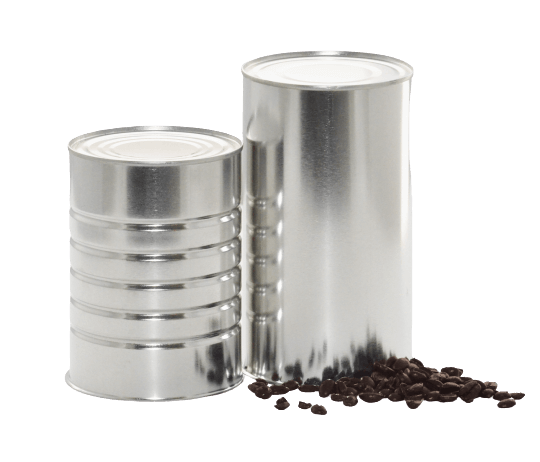
Tin Matcha Cans by MTPak
Description:
Resealable tin can for matcha, tea, coffee and more.
Why it's sustainable:
Our tin cans for matcha are made from premium, eco-friendly, and recyclable aluminium. This creates an airtight seal that protects your matcha from oxidation and flavour degradation. It also ensures that the matcha powder retains its distinctive green colour and is secure between uses.
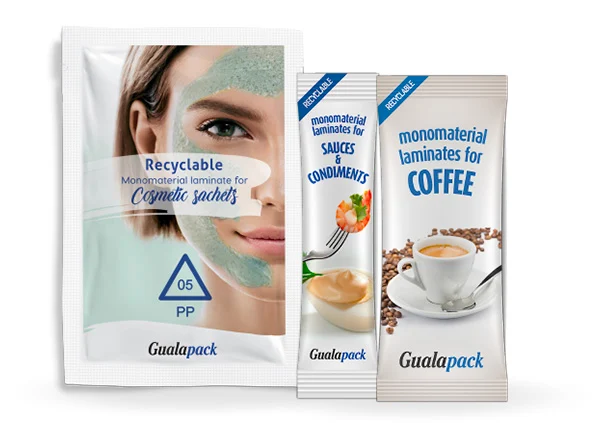
Monomaterial Laminates by Gualapack
Description:
Recyclable laminates for products like stick packs, sachets and more.
Why it's sustainable:
Recyclable monomaterial multilayer PP laminates.
Monomaterial Pouches by Mondi
Description:
Recyclable pouch.
Why it's sustainable:
Mono-material barrier packaging is our award-winning, flexible solution designed for recycling. It is available with different barrier properties to protect the contents inside from external factors.
Flat Sachet by EcoPackables
Description:
Flat pouch for CPG products and more.
Why it's sustainable:
Recyclable
Compostable Stand Up Pouch by EcoPackables
Description:
Stand up pouch for a variety of products.
Why it's sustainable:
Perfect for products that need to stand out—literally. Our stand-up pouches offer durability, an airtight seal, and custom printing options, making them ideal for snacks, pet food, and dry goods. Available in eco-friendly materials like compostable or 100% recycled films.
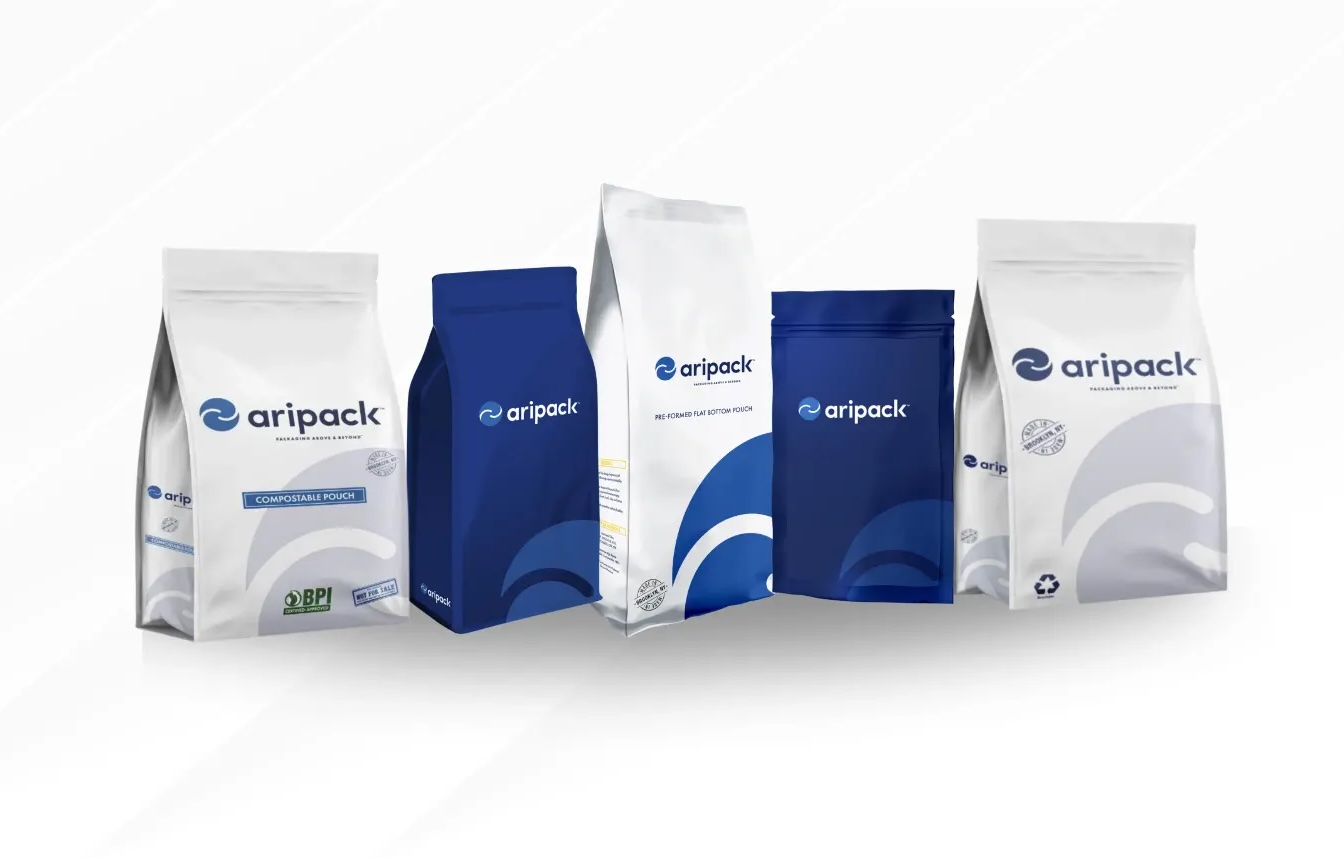
PCR Stand Up Pouch by Aripack
by
Aripack
This brand is a member of Packaged Sustainable and helped create the content of its page.
PCR Stand Up Pouch by Aripack
Verified Account
This supplier is a member of Packaged Sustainable and helped create the content of this page.
Description:
Stand up pouch for a variety of product applications.
Why it's sustainable:
Aripack offers a wide variety of options such as recyclable, compostable, paper laminates, post-consumer recyclable (PCR), and their exclusive NEO Plastics packaging.
AluKpod by Constantia Flexibles
Description:
Aluminum pod designed for Keurig® brewers.
Why it's sustainable:
With its innovative aluminum design reducing plastic use, AluKpod provides unmatched protection to deliver the perfect coffee experience. This innovative coffee pod offers compatibility with all K-CUP® brewers while preserving freshness, aroma, and taste like never before.
Eco-Friendly Kraft Pouches by Close the Loop
Description:
Sustainable kraft pouches.
Why it's sustainable:
Recyclable kraft pouches for a variety of product applications.
HyperBarrier® Paper by COPAR
Description:
Paper packaging solution for a variety of products.
Why it's sustainable:
Polyolefin-based nanocomposite coated paper for High-Barrier paper packaging. A recyclable alternative to multi-material laminates.
Description:
PCR bag for a variety of CPG applications.
Why it's sustainable:
With a near zero moisture vapor transmission rate (MVTR) and oxygen transmission rate (OTR), the Fres-co PCR Bag protects your products and profits, while utilizing >30% post-consumer recycled plastic for increased sustainability. Available in both our Industrial and Powder Bag formats, the PCR Bag is compatible with industry-standard open-mouth filling equipment by simply filling the PCR Bag and applying a terminal heat seal. Our patented bag technology handles the rest for you, by releasing air from the one-way degassing valve to create safe, stable, sustainable pallets of airtight packages for both domestic transport and export.
PCR Pouch by Portco Packaging
Description:
Stand-up pouch.
Why it's sustainable:
Made from post-consumer recycled (PCR) film.
PCR Pouch by Fortis Solutions Group
Description:
Recyclable flexible packaging pouches.
Why it's sustainable:
Made from post-consumer-recycled plastic (PCR).
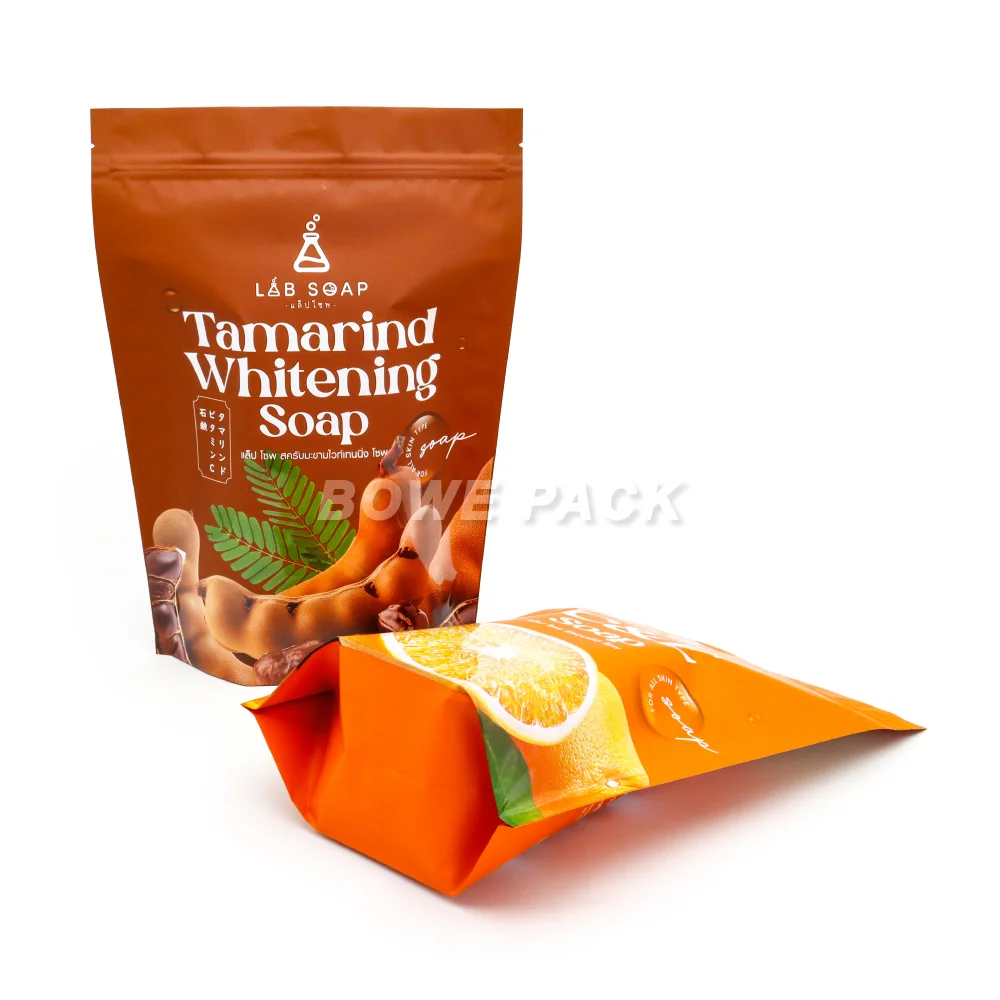
PCR Pouches by Bowe Flexible Packaging
Description:
PCR pouches.
Why it's sustainable:
Our PCR packaging are made with up to 50% post-consumer recycled (PCR) plastic materials of the whole packaging, including: Up to 40% PCR content in the PE sealant layer. Up to 90% PCR content in the PET outer layer.
GreenStream™ PCR Flexible Pouch by C-P Flexible Packaging
Description:
Flexible packaging pouch with over 40% PCR resin.
Why it's sustainable:
Flexible packaging materials with over 40% post-consumer recycled (PCR) resin.
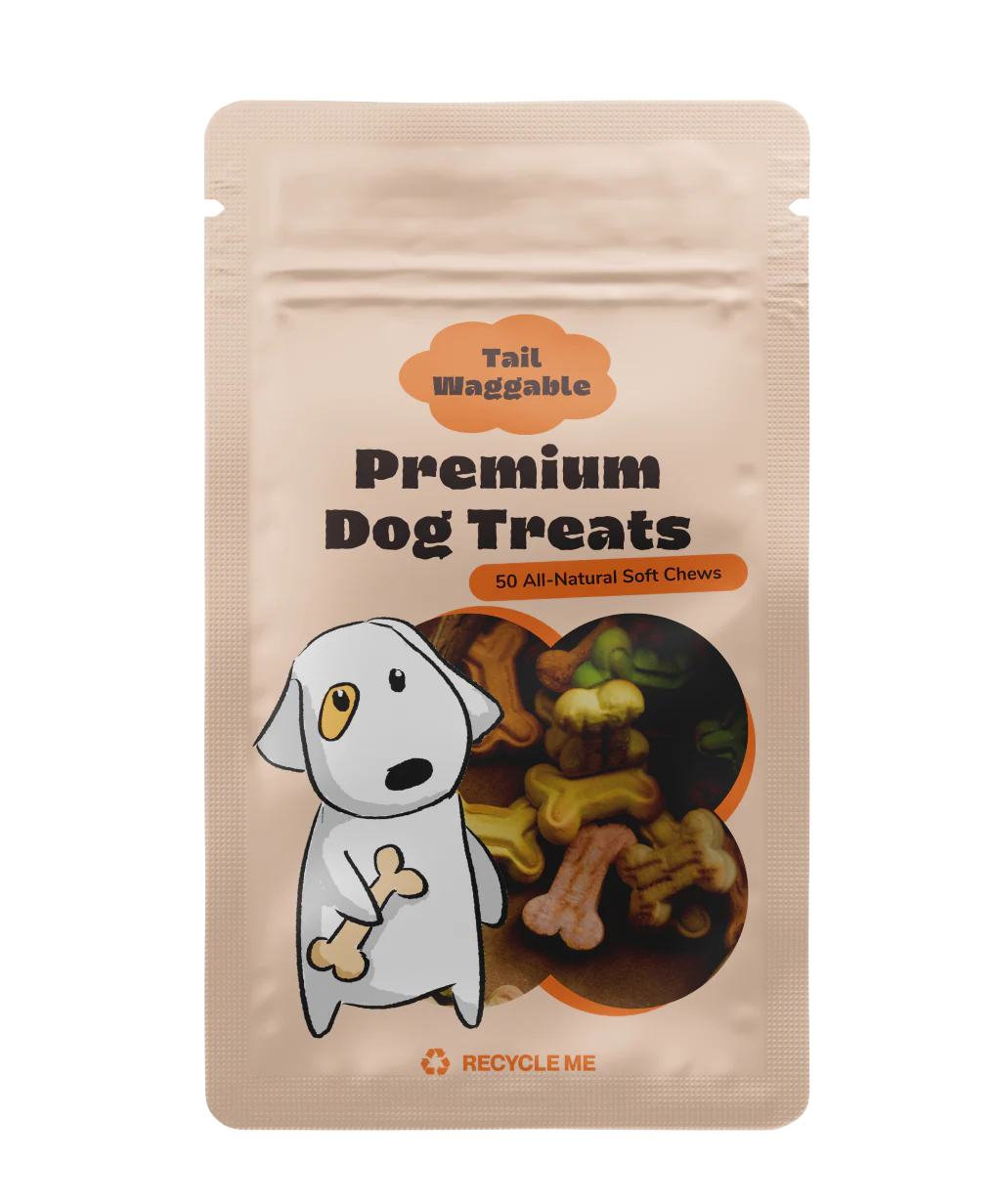
Pet Food Pouch by BioPouches
Description:
Recyclable pouch for pet food.
Why it's sustainable:
Our packaging is also fully recyclable, meaning that it can be processed into new products, reducing waste and conserving natural resources.
Hermetic Coffee Cans by Independent Can Company
Description:
Hermetically sealed recyclable coffee cans.
Why it's sustainable:
Hermetic cans protect the quality of your coffee like no other form of packaging can. Air-tight, hermetically-sealed tin packaging provides durability and stability that will safely deliver your coffee to your customer. Additionally, the shelf-life of coffee kept in hermetic tin cans is much longer compared to other storage methods. Once your customer brings home and opens their can, the coffee inside will continue to keep its quality for a long time.
tru-IMPACT® Stand Up Pouch by Belmark
Description:
Stand up pouch for a variety of products.
Why it's sustainable:
Made with PCR content.
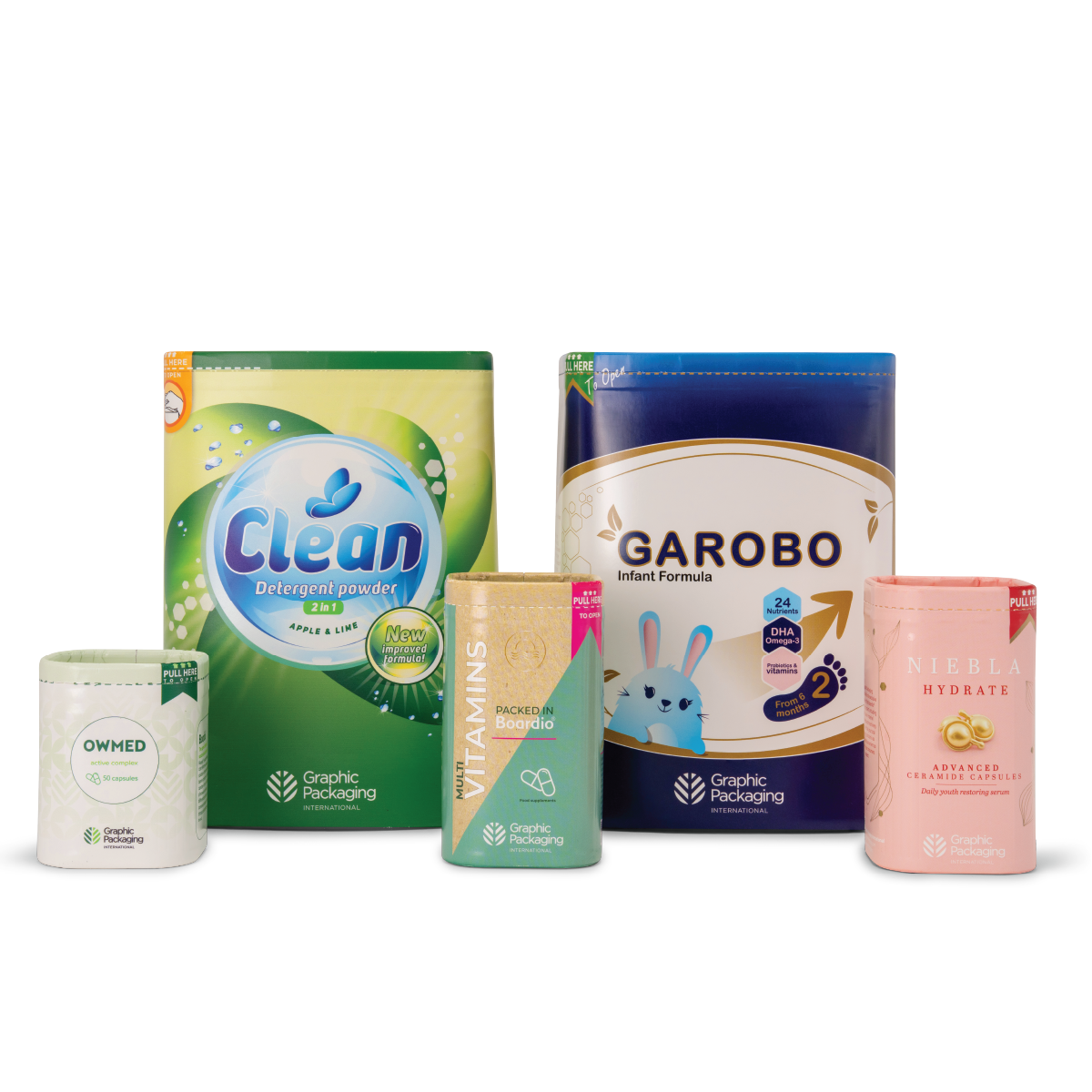
Boardio™ Paperboard Canister by Graphic Packaging
by
Graphic Packaging International
This brand is a member of Packaged Sustainable and helped create the content of its page.
Boardio™ Paperboard Canister by Graphic Packaging
Verified Account
This supplier is a member of Packaged Sustainable and helped create the content of this page.
Description:
Paperboard canister for a variety of CPG products.
Why it's sustainable:
Household recyclable, with low to high barrier protection, and delivered flat to the point of filling. Minimum of 80% FSC®-certified paperboard. Reduces plastic by 90% versus a rigid plastic container. Ideal for dry mixes, coffee, snacks, confectionery, nutrition powders, and more.
Compostable Stand Up Pouches by LU Packaging
Description:
Compostable stand up pouch for a variety of industries.
Why it's sustainable:
The film has been tested and approved by ASTM D6868 and D6400 standards. According to the ASTM D6868 and D6400 standards, a film must disintegrate by at least 90% within 12 weeks to be considered compostable.
Compostable Pouches and Bags by CarePac
Description:
Compostable pouches for a variety of industries.
Why it's sustainable:
Commercially compostable pouches made from PBAT.
Recycle-Ready Bags & Pouches by TC Transcontinental
Description:
100% recyclable bag and pouch packaging, designed for How2Recycle® in-store drop-off.
Why it's sustainable:
100% recyclable flexible packaging.
Shredded Cheese Pouch by TC Transcontinental
Description:
Flexible pouch for cheese and dairy shreds.
Why it's sustainable:
Made from 35% PCR content.
Recyclable Laminated Pouches by St. John's Packaging
Description:
Recyclable mono-material laminated pouches.
Why it's sustainable:
Our bags are made of polyethylene film and can be recycled at collection bins outside major retailers, as well as curbside in many municipalities that accept such products. Compostable options are also available.
Reclosable Stand Up Zip Pouch by Brook + White
Description:
Re-closable stand up pouch made from store recyclable PE/PET
Why it's sustainable:
PE and PET recyclable.
GreenArrow™ Film for Pouches and Bags by Charter Next Generation
Description:
Recyclable film pouches and bags for a variety of industries.
Why it's sustainable:
Recyclable, compostable options available as well.
Metal Tins by MJS Packaging
Description:
Metal tins for health and beauty.
Why it's sustainable:
Infinitely recyclable metal tins for cosmetics and personal care.
Aluminum Stand Up Pouch by TedPack
Description:
Recyclable aluminum stand up pouch.
Why it's sustainable:
Recyclable aluminum.
Custom Tin Container by GTS Packaging
Description:
Custom tin containers for a variety of industries.
Why it's sustainable:
Infinitely recyclable all metal tins.
Custom Printed Tin Cans by Roastar
Description:
Recyclable Tin Cans
Why it's sustainable:
100% curbside recyclable.
Recyclable Tin Containers by Roastar
Description:
Tin containers for coffee, tea and other products.
Why it's sustainable:
Curbside recyclable tin containers.
Compostable Coffee Pod by GreenPod Coffee
Description:
Compostable pod for coffee and tea.
Why it's sustainable:
Made with less materials and ZERO plastic, GreenPods hold up to 40% more coffee than conventional pods and are sealed immediately after grinding for a fresher, better-tasting cup.
Compostable Coffee Capsules by Cirkla
Description:
Coffee and tea pods.
Why it's sustainable:
Plastic-free, compostable.
Description:
PCR Flexible Pouches
Why it's sustainable:
ProActive PCR enables post-consumer recycled content (PCR) to be included in various laminated and mono-material constructions in rollstock and pre-made pouches and bags.
Compostable Stand Up Pouch by PPC Flex
Description:
Stand up pouch for a variety of applications.
Why it's sustainable:
Compostable certified to meet both ASTM D6400 (USA) and EN 13432 (EU) standards.
Recyclable Stand-Up Pouch by Bison Bag
Description:
Recyclable PET pouches made from PCR for multiple applications.
Why it's sustainable:
Polyester/Polyethylene (PET/PE) pouches made from high percentage Post-Consumer Recycled (PCR) resin.
Compostable Pouch by Grounded Packaging
Description:
High-barrier compostable (ideally home compostable) pouch.
Why it's sustainable:
Home compostable material, made from Plantmade™️ materials, BPI certified (including zipper).
Recyclable Flexible Pouch by Grounded Packaging
Description:
Recyclable pouch for food, pet, and more.
Why it's sustainable:
Recyclable stand up pouch, made from your choice of renewable Plantmade™ or recycled Wastemade™ laminates.
Recyclable Pouch by ePac Flexible Packaging
Description:
Recyclable PE pouches.
Why it's sustainable:
Recyclable flexible packaging is made from 100% polyethylene (PE), and is ideal for rollstock, stand up pouches, and lay flat pouches.
High Barrier Recyclable Metallized Pouch by Bowe Flexible Packaging
Description:
Customizable stand up pouch for pet food and more.
Why it's sustainable:
Recyclable metallized pouches are made from mono materials like MDOPE/VMBOPE/PE, ensuring they are 100% recyclable while maintaining maximum protection for your food packaging.
Description:
Flexible sachet for food products and more.
Why it's sustainable:
Available made with PCR materials.
Compostable Stand-Up Pouch by TIPA
by
TIPA
This brand is a member of Packaged Sustainable and helped create the content of its page.
Compostable Stand-Up Pouch by TIPA
Verified Account
This supplier is a member of Packaged Sustainable and helped create the content of this page.
Description:
Reliable compostable stand-up pouches dry food, tea, apparel and more.
Why it's sustainable:
TIPA’s compostable stand-up pouches combine convenience and sustainability. Designed with a stable bottom gusset and a resealable zipper, they provide durable practicality for a wide range of products and deliver strong barrier protection. They run efficiently on standard packaging machinery and offer a secure closure that preserves product freshness. After disposal in a compost environment, the pouches break down into soil.

Packaging Options for Coffee Brands

Coffee packaging falls into four main formats, each with different sustainability implications and barrier performance trade-offs.

Flexible plastic pouches (traditional standard) use PET/PE laminates, PET/aluminum/PE, or metallized films in quad seal bags, flat bottom bags, stand-up pouches, and side-gusset formats. These provide excellent oxygen and moisture barrier protection with low material weight and cost efficiency, including degassing valves allowing CO₂ release while preventing oxygen ingress. However, most traditional coffee bags aren't recyclable because multilayer laminates combine materials that can't be separated, achieving less than 1% recovery even when labeled "recyclable" requiring store drop-off systems with low participation.

Recyclable mono-material pouches represent the most promising improvement. PE/PE or PP/PP laminates with high-barrier polyethylene films replace complex laminates with single polymer families enabling easier recycling through store drop-off streams (same system as plastic grocery bags). Advanced coatings and film technologies allow mono-material structures to approach traditional barrier performance, though results vary by supplier. These maintain familiar pouch formats compatible with many filling lines and are increasingly available from North American suppliers.

Paper-based coffee packaging signals sustainability visually but requires internal coatings or liners for barrier protection. Paper/PE laminates, paper/biopolymer linings, or paper/metallized barrier layers often aren't truly recyclable or compostable despite consumer perception because laminated plastic layers can't process in standard paper recycling. Emerging innovations use water-based coatings, mineral barrier layers, or compostable liners, though scalability remains limited. Paper delivers strong consumer sustainability perception and reduced plastic appearance but may compromise barrier protection and typically costs more.

Compostable coffee packaging uses PLA (polylactic acid), cellulose films, or plant-based barrier coatings designed to break down in industrial composting environments. However, North American industrial composting infrastructure remains very limited (most consumers lack access to facilities processing these materials), and compostable films often deliver lower oxygen and moisture barrier performance than traditional laminates, potentially limiting shelf life. These offer renewable materials and attractive sustainability stories but face higher costs and consumer confusion about disposal.

Key Packaging Challenges for Coffee

Coffee packaging decisions must account for technical realities that impact product quality and shelf life.

Oxygen sensitivity drives material requirements. Coffee rapidly loses aroma and flavor when exposed to oxygen, with even small exposure degrading product quality. High-quality coffee packaging must maintain extremely low oxygen transmission rates (OTR), which is why aluminum and metallized films became industry standard. Sustainable alternatives must match this performance to prevent quality loss.

Degassing requirements create complexity. Freshly roasted coffee releases carbon dioxide for several days after roasting. Without degassing valves, gas buildup causes packaging to balloon, burst, or compromise seals. Valves are critical for whole-bean coffee but introduce recyclability challenges because they're often made from different plastic resins than the pouch, requiring separation or contaminating recycling streams.

Shelf life expectations typically target 6 to 12 months for retail coffee, even though freshness peaks earlier. Packaging must protect quality throughout distribution and retail storage, meaning sustainable materials must still meet these performance expectations without compromising coffee or increasing waste through shortened shelf life and markdowns.

Moisture and light protection prevent degradation. Moisture exposure causes flavor degradation, encourages mold, and damages roasted beans, requiring strong moisture vapor transmission rate (MVTR) barrier performance. UV and visible light accelerate oxidation, so most coffee packages include metallized layers, pigmented films, or opaque coatings rather than clear packaging.

Filling line compatibility affects operational feasibility. Switching packaging materials can require changes in sealing temperature, seal pressure, machine settings, and filling speeds. Brands must confirm new packaging works with their co-packer or internal equipment before committing to large production runs, as compatibility issues can halt production or compromise seal integrity.

How to Choose a Coffee Packaging Supplier

Choosing the right supplier is often more important than choosing the material itself because coffee packaging is performance-critical.

Barrier performance data must be verified, not claimed. Request lab-tested oxygen transmission rate (OTR) and moisture vapor transmission rate (MVTR) specifications showing how well packaging protects coffee from degradation. Suppliers should provide actual test data, not marketing claims about barrier performance. These numbers directly indicate whether packaging can maintain coffee quality through target shelf life.

Degassing valve quality varies significantly by manufacturer. Ask suppliers who makes the valve, whether it's compatible with the film structure, and if it's been tested specifically with roasted coffee. Reliable valves prevent oxygen ingress while efficiently releasing CO₂, but poor-quality valves can leak, fail to seal, or allow oxygen infiltration compromising product freshness.

Material compatibility testing prevents costly mistakes. Before committing to large production runs, conduct seal strength testing, shelf life testing, and product compatibility testing. Coffee oils can interact with certain films, and different roast profiles affect gas release rates. Testing with actual product under real storage conditions validates that packaging performs as expected.

Supply chain stability matters for operations. Ask where packaging is manufactured, what lead times are, and whether domestic production options exist. Many brands prefer North American suppliers to reduce logistics risk, improve responsiveness, and avoid supply disruptions. International suppliers may offer lower costs but create vulnerability to shipping delays and minimum order requirements.

Minimum order quantities (MOQs) affect cash flow and flexibility. Packaging suppliers often require large MOQs that create excess inventory, cash flow pressure, and design inflexibility for emerging brands. Some suppliers offer short-run digital printing or lower MOQs better fitting smaller brands, while others require tens of thousands of units per SKU making design changes expensive.

Sustainability transparency separates real improvements from greenwashing. Ask suppliers what specifically makes packaging more sustainable, whether it's recyclable in actual systems (not just theoretically), and if third-party certifications verify claims. Avoid vague terms like "eco-friendly," "green packaging," or "planet-safe" without specific material structures and disposal pathways documented.

Need help finding the right supplier?

We'll connect you with packaging suppliers based on your product type, volume, and timeline. Free, no obligation. We were here to help!
Get Connected to a supplier

Disclaimer: Information provided for educational purposes only. Packaged Sustainable is a marketplace connecting brands with suppliers - we do not manufacture products or guarantee supplier claims. Always conduct your own due diligence and verify certifications, capabilities, and regulatory compliance independently. PS is not responsible for supplier performance or outcomes.