

How to Make Toilet Paper Packaging More Sustainable: 3 Options Worth Knowing
Most toilet paper comes in plastic shrink wrap that can't be recycled or composted. Here are the three packaging options brands are switching to and what e
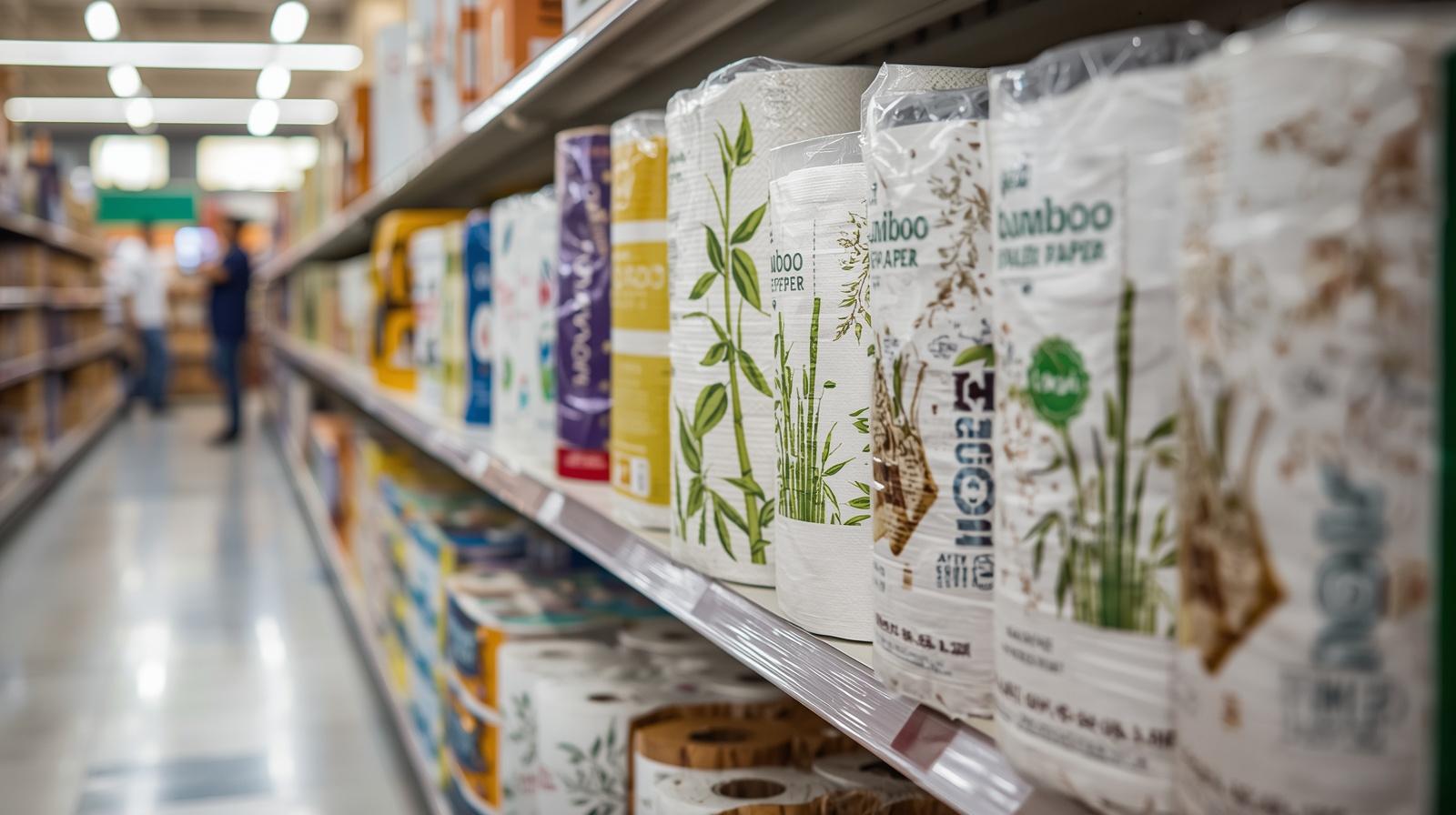
Most toilet paper comes wrapped in plastic shrink film that cannot be recycled or composted in standard systems. For brands looking to do better, three options exist today. Here is a clear look at what each one actually means in practice, where each one works, and where each one falls short.
1. Recycled Content Shrink Wrap
The most accessible starting point is not eliminating plastic but improving it. Recycled content shrink wrap uses the same film format as conventional plastic wrap but incorporates post-consumer recycled plastic, typically from existing plastic bags and films collected through store drop-off programs. This keeps existing plastic material in circulation rather than requiring virgin fossil fuel feedstock for every new roll produced.
The honest framing: this is still plastic. It still faces the same end-of-life challenges as conventional flexible film, which means it is not curbside recyclable and will likely end up in landfill unless the consumer actively returns it to a store drop-off program. But it is a meaningful improvement at the production stage, and for brands that are not ready to overhaul their entire packaging format, it is a real and achievable step forward.
This is what progress not perfection looks like in practice. Not the final answer, but a genuine move in the right direction.
Our recyclable packaging page covers the full landscape of recycled content options and what to look for when evaluating suppliers.
2. Compostable Shrink Wrap
Compostable shrink wrap looks and functions like conventional plastic film but is made from plant-based materials and bio-based polymers designed to break down in composting systems after use rather than persisting indefinitely. For brands that want to move away from fossil-fuel-derived plastic, this is an appealing option.
A few things worth understanding before making claims. Most compostable bio-based resins, even those certified as compostable, contain trace amounts of petroleum as part of their chemical structure. Certification from BPI to ASTM D6400 or TÜV Austria to EN 13432 verifies that the material breaks down under specific industrial composting conditions, typically at temperatures of 55 to 60 degrees Celsius sustained over 90 to 180 days. Roughly 80% of Americans live in markets where those facilities either don't exist or don't accept flexible packaging.
Home compostable certification is a meaningfully higher bar. If your brand wants to make a home compostable claim, the certification to look for is TÜV OK Compost Home, not just industrial compostable. Those are not interchangeable claims and regulators are increasingly scrutinizing the difference.
The honest takeaway: compostable shrink wrap provides a better end-of-life scenario than conventional plastic in markets where composting infrastructure actually exists. In markets without that infrastructure, the environmental benefit is significantly reduced.
Our compostable packaging page covers materials, certifications, and the infrastructure reality across U.S. markets in more depth.
3. Fiber-Based Packaging
The most direct path away from plastic is skipping it entirely. Toilet paper rolls can be wrapped individually in paper, sold as singles or multipacks in paperboard boxes, or grouped in paper-wrapped bundles that eliminate plastic film from the format altogether. Brands like Who Gives a Crap have built their entire positioning around this approach and demonstrated it works commercially at scale.
Paper wrapping can use a range of fiber sources. Traditional FSC-certified paperboard and kraft paper from responsibly managed forests is the most widely available option. Alternative fiber papers using hemp, bamboo, or sugarcane offer the added benefit of not requiring trees at all, though availability and cost vary significantly by supplier and region.
The recyclability story for paper wrapping is genuinely stronger than for either plastic option above, provided the paper is uncoated or uses a water-based coating compatible with standard paper recycling mill processes. This is the detail most brands miss: coated papers with plastic lamination undermine that recyclability claim even when the base material is fiber. What the coating is made from determines whether the package actually ends up recycled, and it is worth verifying explicitly with any supplier before making on-pack claims.
The honest trade-offs: paper wrapping changes the product experience and the cost structure. It does not provide the same moisture resistance as plastic film, which matters in humid distribution environments. And not all paper wrapping is automatically recyclable.
Our plastic-free packaging and sustainable personal care packaging pages cover fiber-based and plastic-free format options in more depth.
Which Option Is Right for Your Brand?
Each option addresses a different part of the problem. Recycled content shrink wrap improves the production stage without changing the format. Compostable wrap improves end-of-life in markets with composting access. Fiber-based packaging eliminates plastic from the format entirely but changes the product and cost equation.
The right answer depends on your brand's sustainability goals, your customers' disposal behaviors, your distribution environment, and what claims you can actually defend in the markets where you sell. As we cover in our guide to recyclable vs compostable packaging, choosing between these paths requires understanding what infrastructure actually exists for your customers, not just what certifications your packaging carries.
Browse our directory of sustainable packaging suppliers to explore who is working in these formats, use our free sustainable packaging solutions search tool to filter by your specific requirements, or book a free consult and we will help you find the right fit for your brand.
Michael Markarian